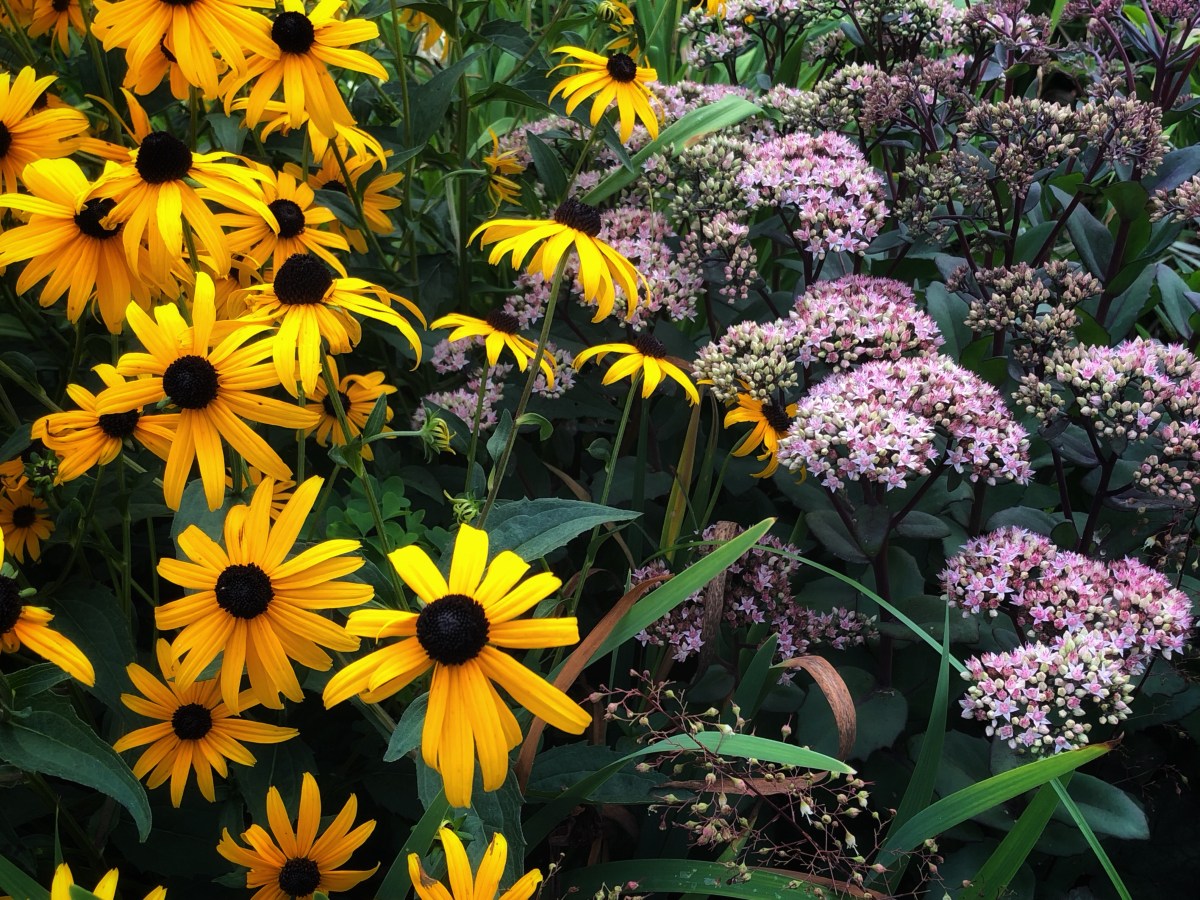
One hidden blessing of the never-ending task of pulling weeds is the beauty you see more clearly when you’re on your knees. The beauty of this daylily is just one of many colorful examples in my garden today.
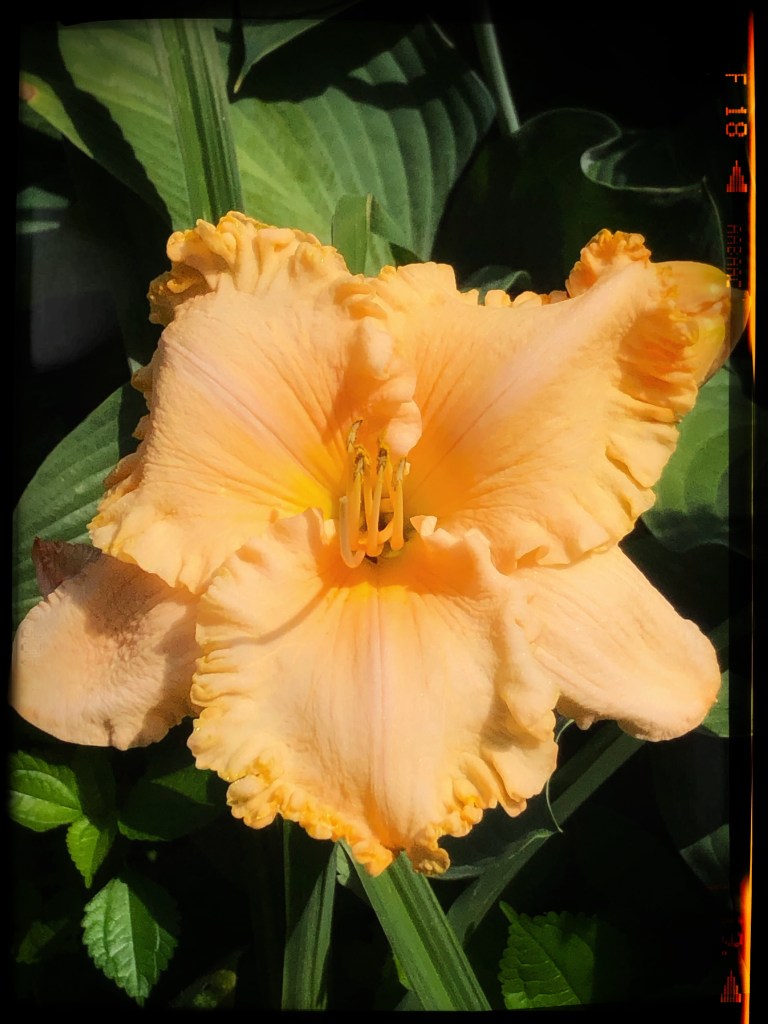
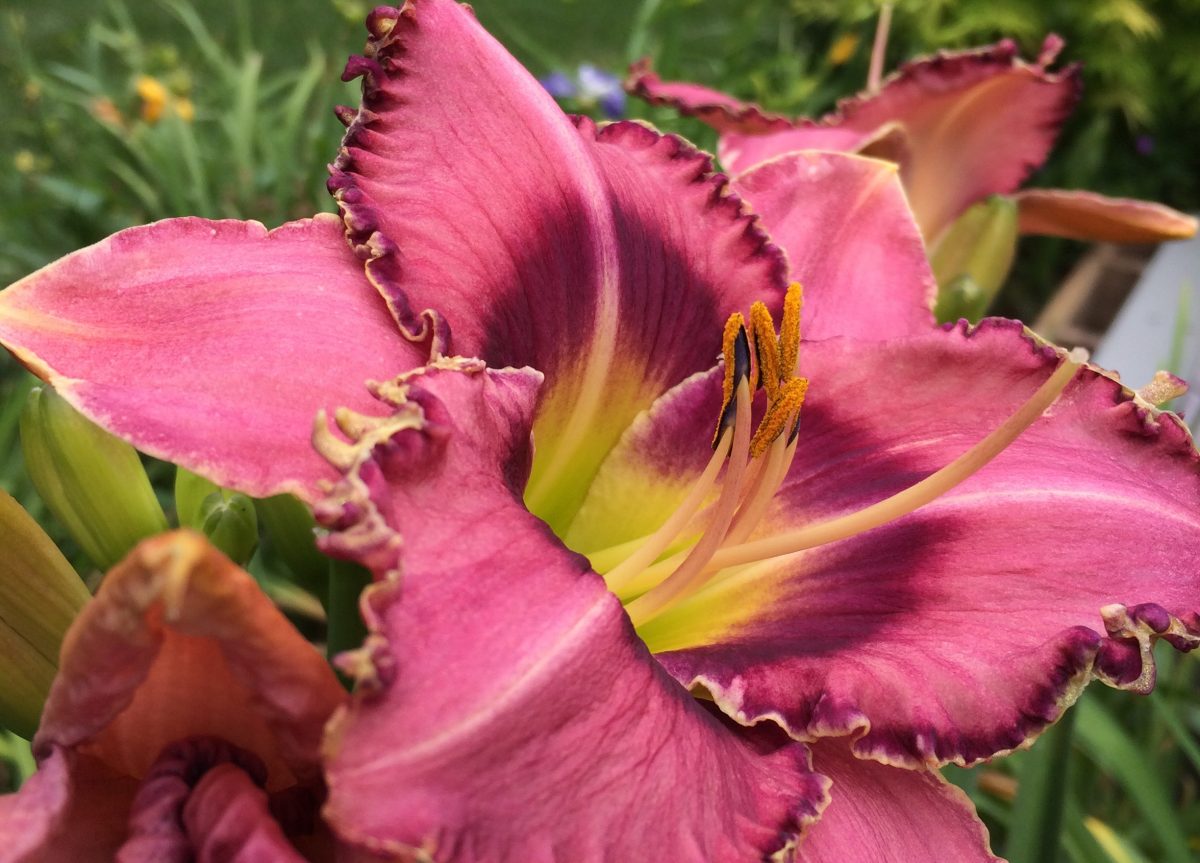
One hidden blessing of the never-ending task of pulling weeds is the beauty you see more clearly when you’re on your knees. The beauty of this daylily is just one of many colorful examples in my garden today.
Lots of Wisconsinites were “Singing in the Rain”…including me.
On July 4th, we Americans commemorate the birthday of our country. We like to celebrate by wearing red, white and blue, and attending parades, picnics, fireworks, and patriotic music concerts. Some of us prefer a quieter celebration. I spent the holiday doing a lot of barefoot gardening–mostly deadheading spent blossoms and pulling weeds. Once I had an area cleared of weeds and the soil amended with compost, I put down a few inches of mulch I’ve been hauling from our community’s free pile of woodchips.
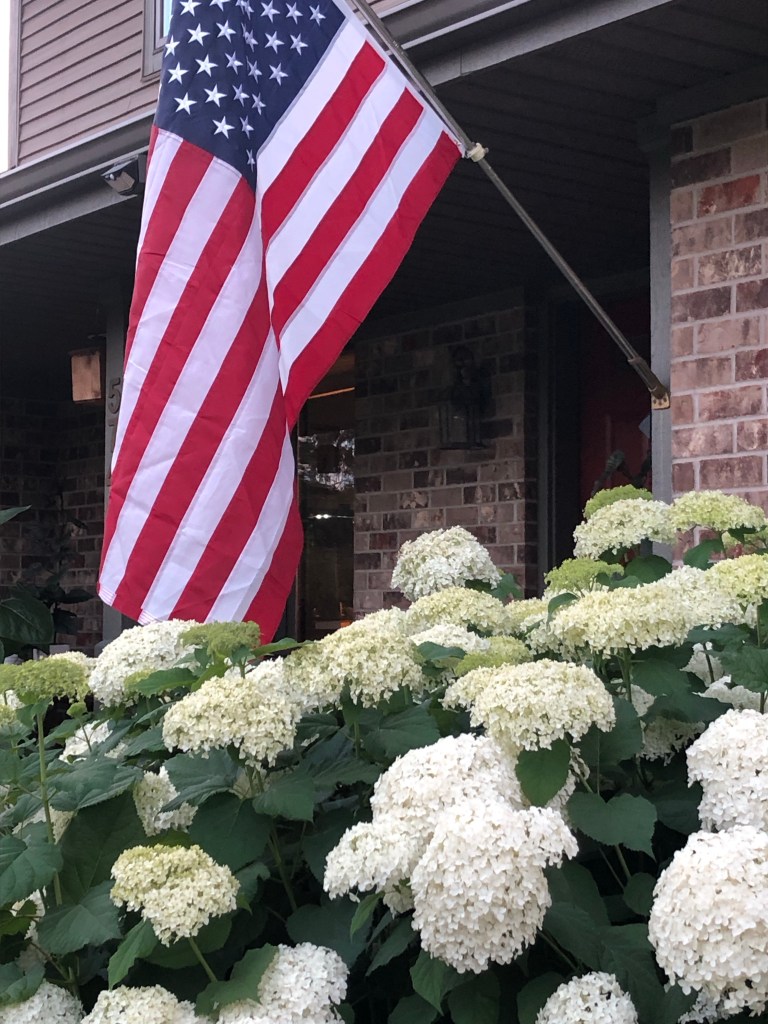
“A garden requires patient labor and attention. Plants do not grow merely to satisfy ambitions or to fulfill good intentions. They thrive because someone expended effort on them.”
Liberty Hyde Bailey
Thankfully, some much prayed for rain has fallen in the area, ending our severe drought conditions. Wayne kept up with watering of the flowerbeds, potted flowers, and our little patch of tomatoes during the drought; thankfully, most everything has survived. However, our lawns in the area went dormant, so look rather browned out. Our lawn is greening up a bit, but still looks rather sad and feels a little crispy underfoot.
The metamorphosis of bud to blossom beauty continues in waves.
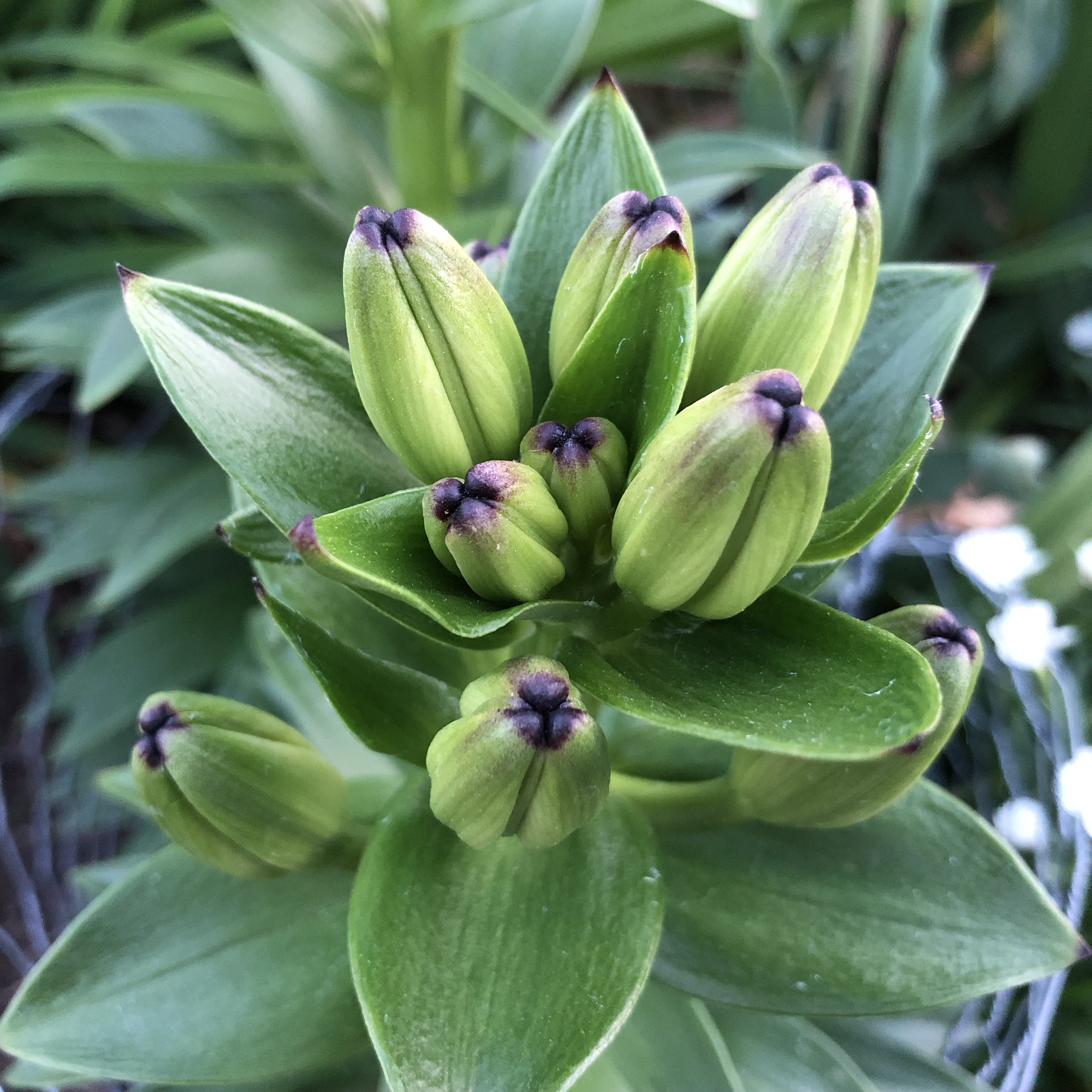

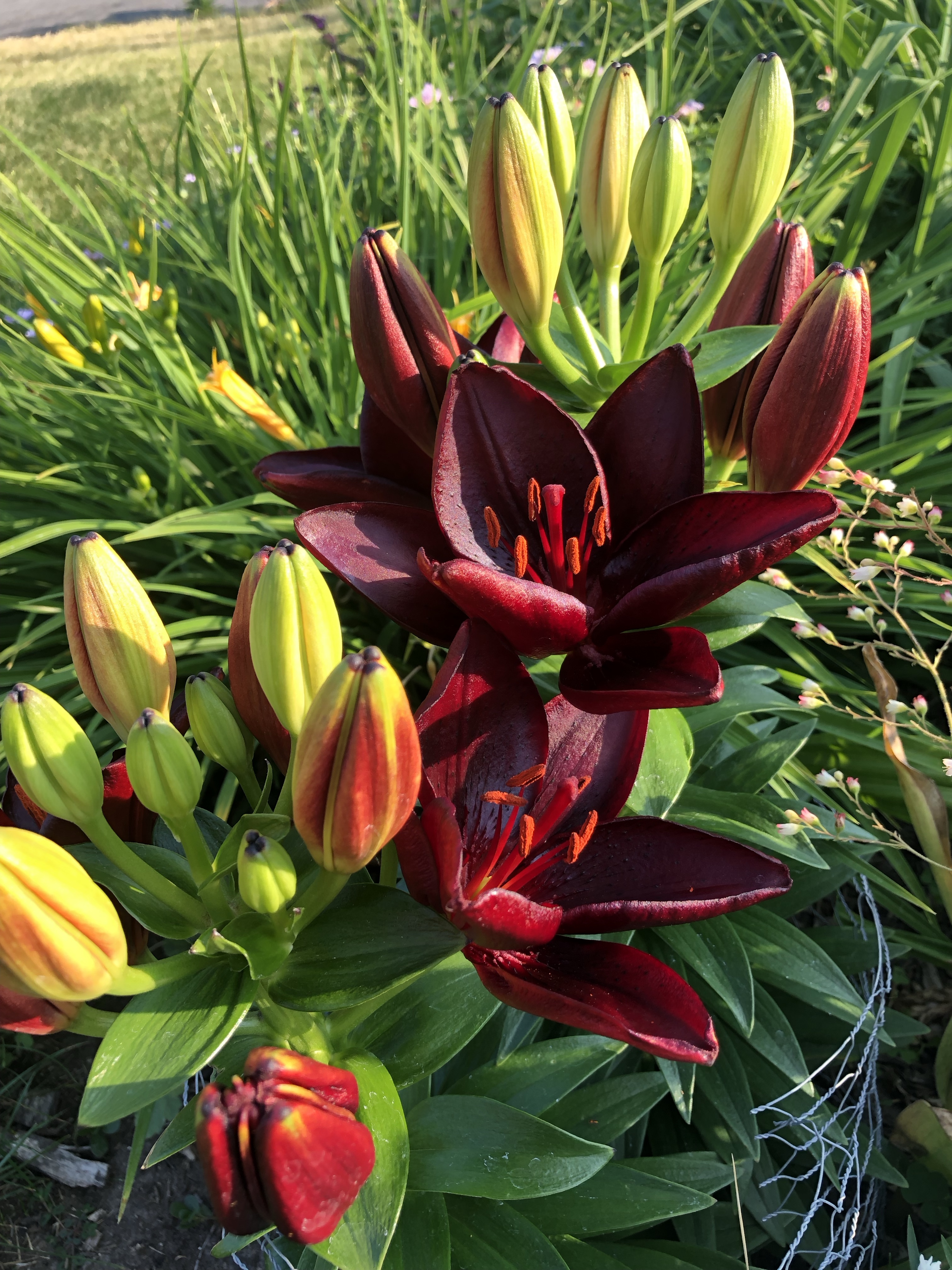
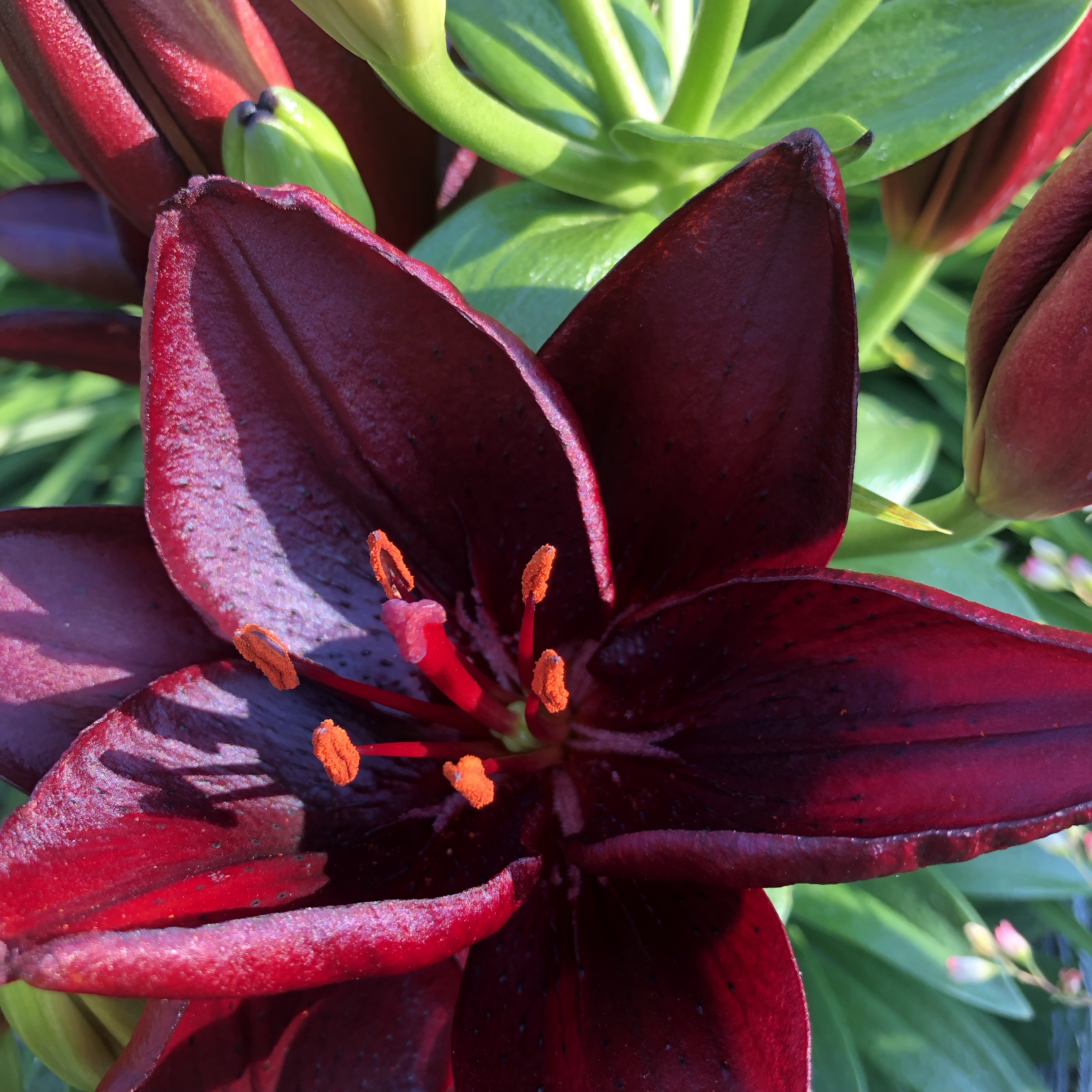
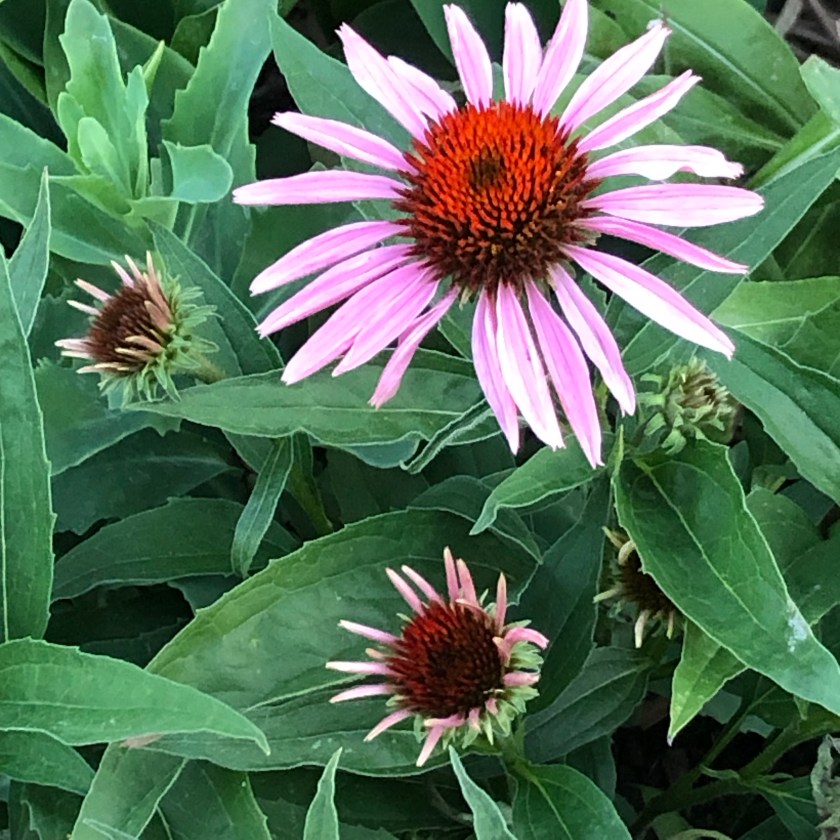
My echinacea seems rather happy this summer. Buds are opening to beautiful blossoms now that they’ve been sprinkled liberally with raindrops.
I am always delighted when someone stops by my garden for a little visit. Thank YOU for visiting via this virtual “Six on Saturday” peek at what’s happening in my Wisconsin garden. If you’d like to see more beautiful garden spaces, pop on over for a virtual visit with our host Jim at Garden Ruminations–where you’ll find his blog post and comment section to be a most pleasant pastime.


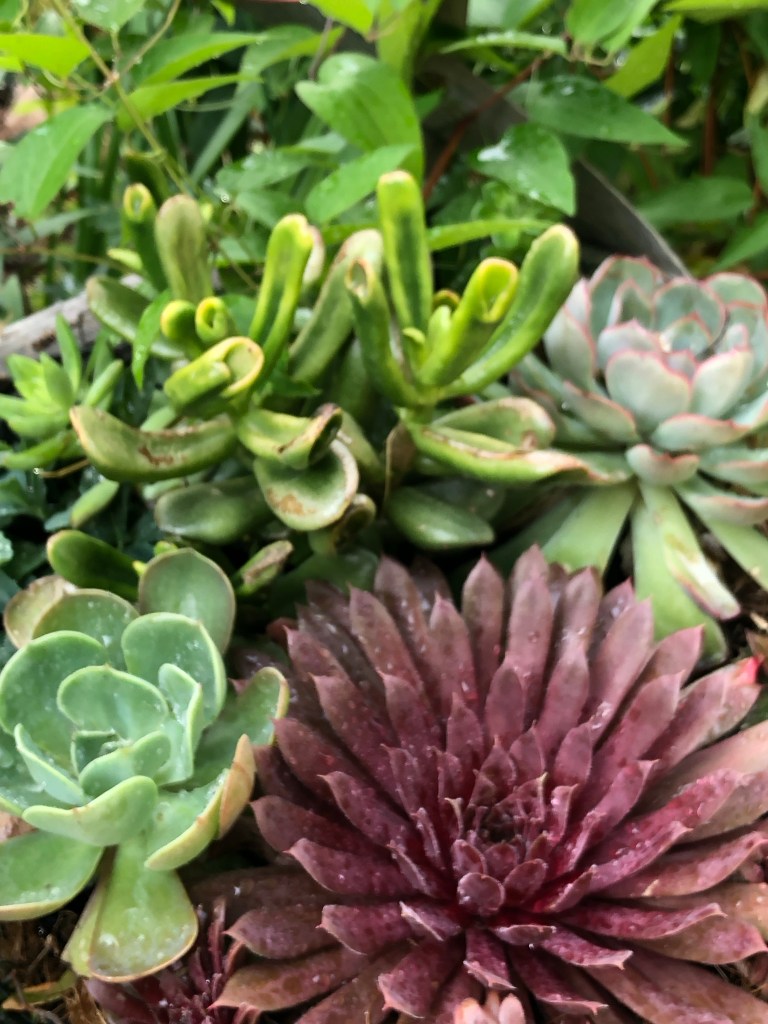

Welcome to my garden. If you love all things purple and pink, you’re in for a flowery treat.
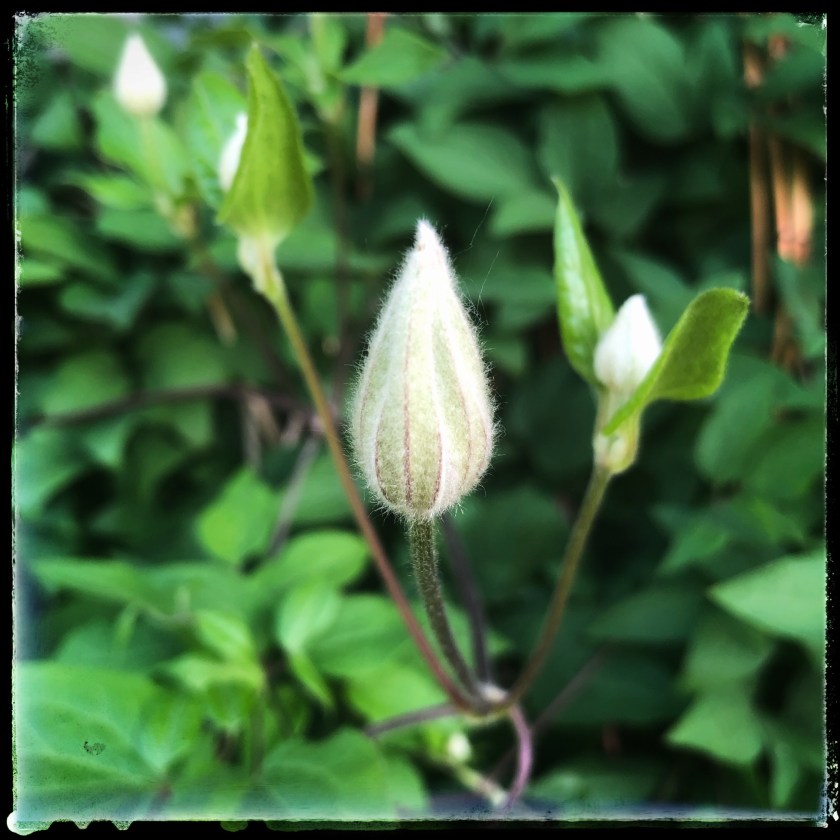
What a difference a few weeks of time can make in the metamorphic beauty of a garden.
We’re going through quite a dry spell here in my part of the world–a few sprinkles and light showers here and there, but nothing earth-quenching to speak of. My husband has been helping me keep the gardens watered, so most of our plants are holding their own and not too stressed. The peonies and iris have completed their summer visit, but my clematis vines are now absolutely gushing with beauty. Here’s a peek at six of my favorites (at the moment).
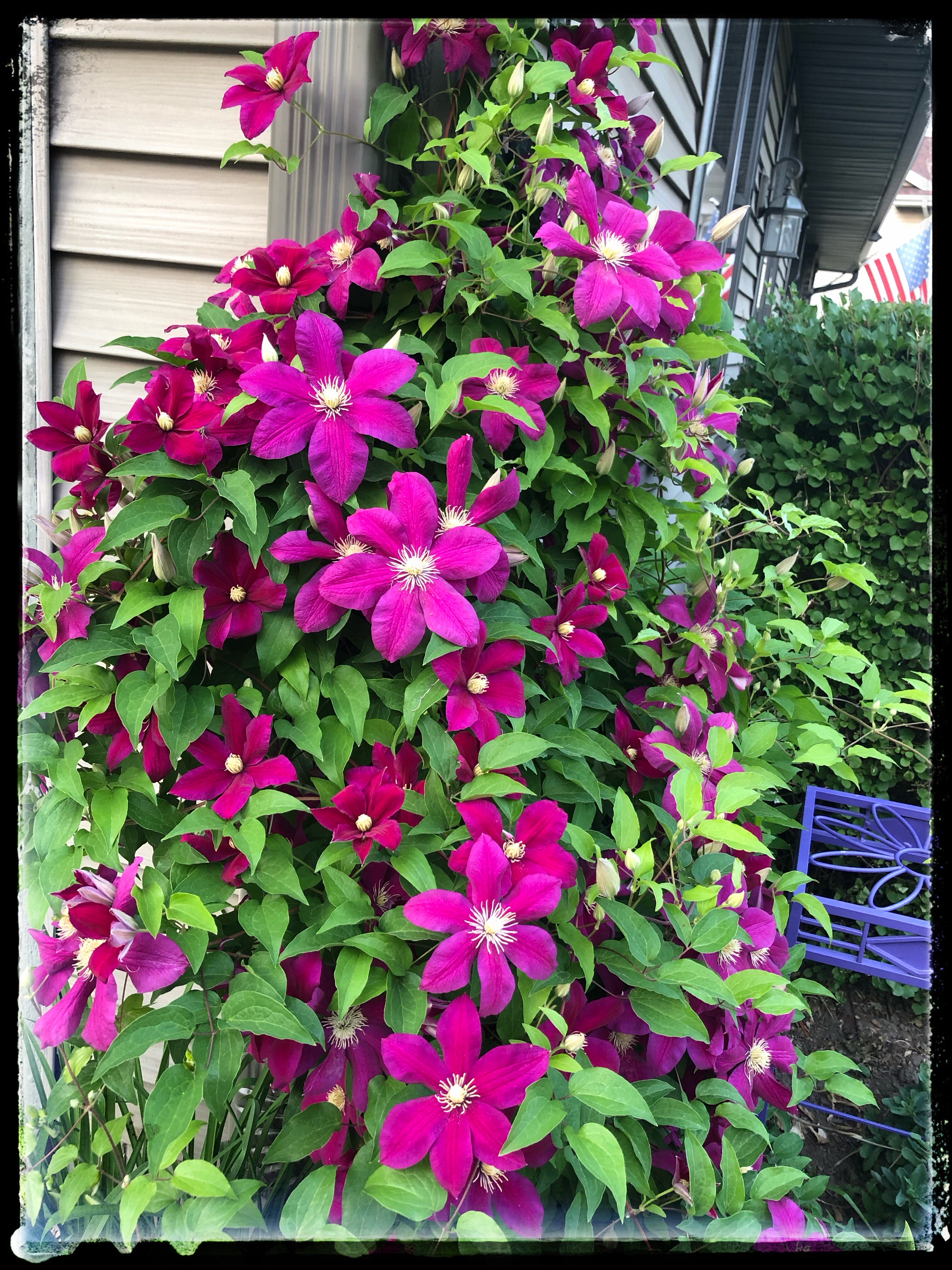
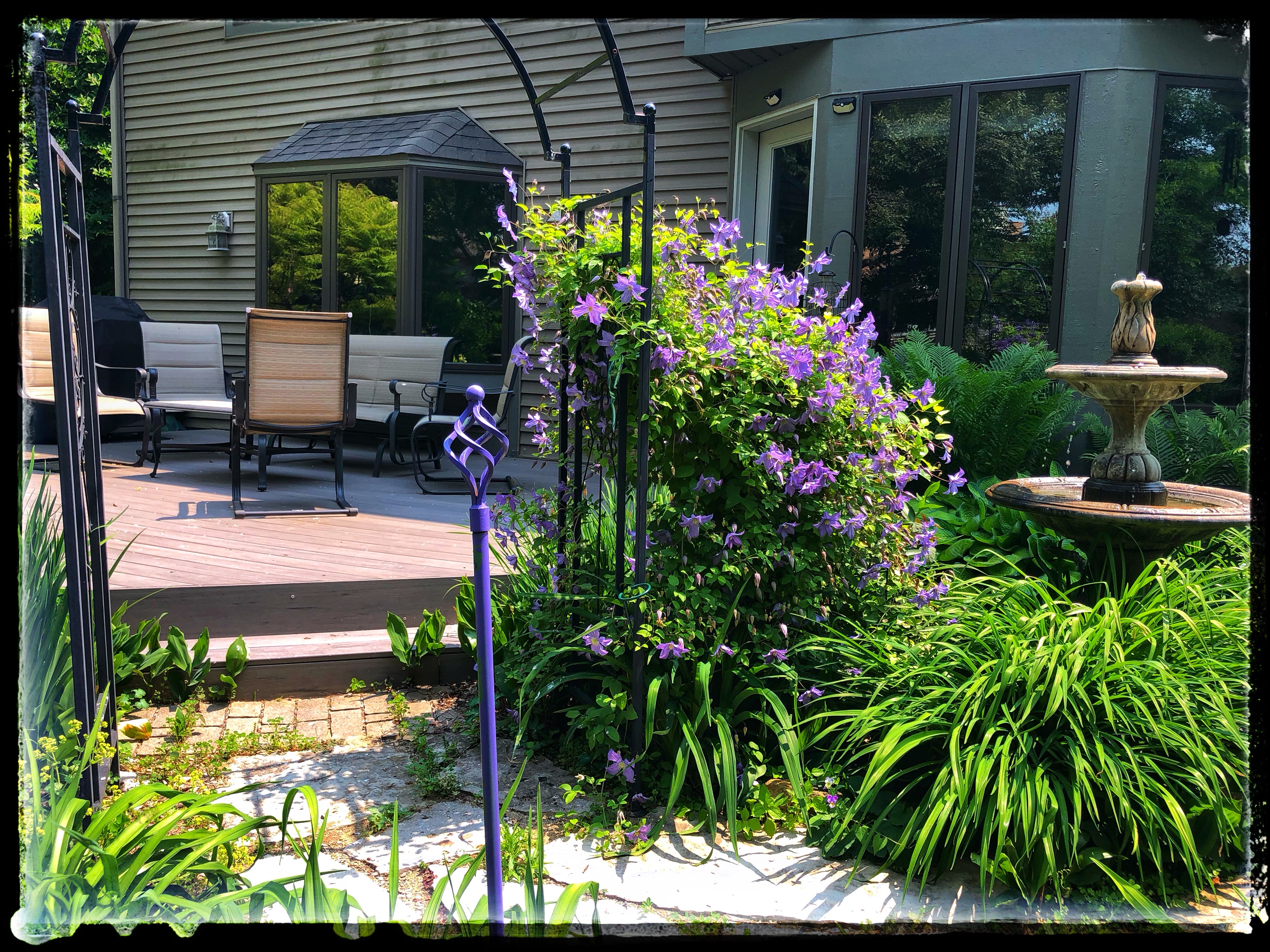
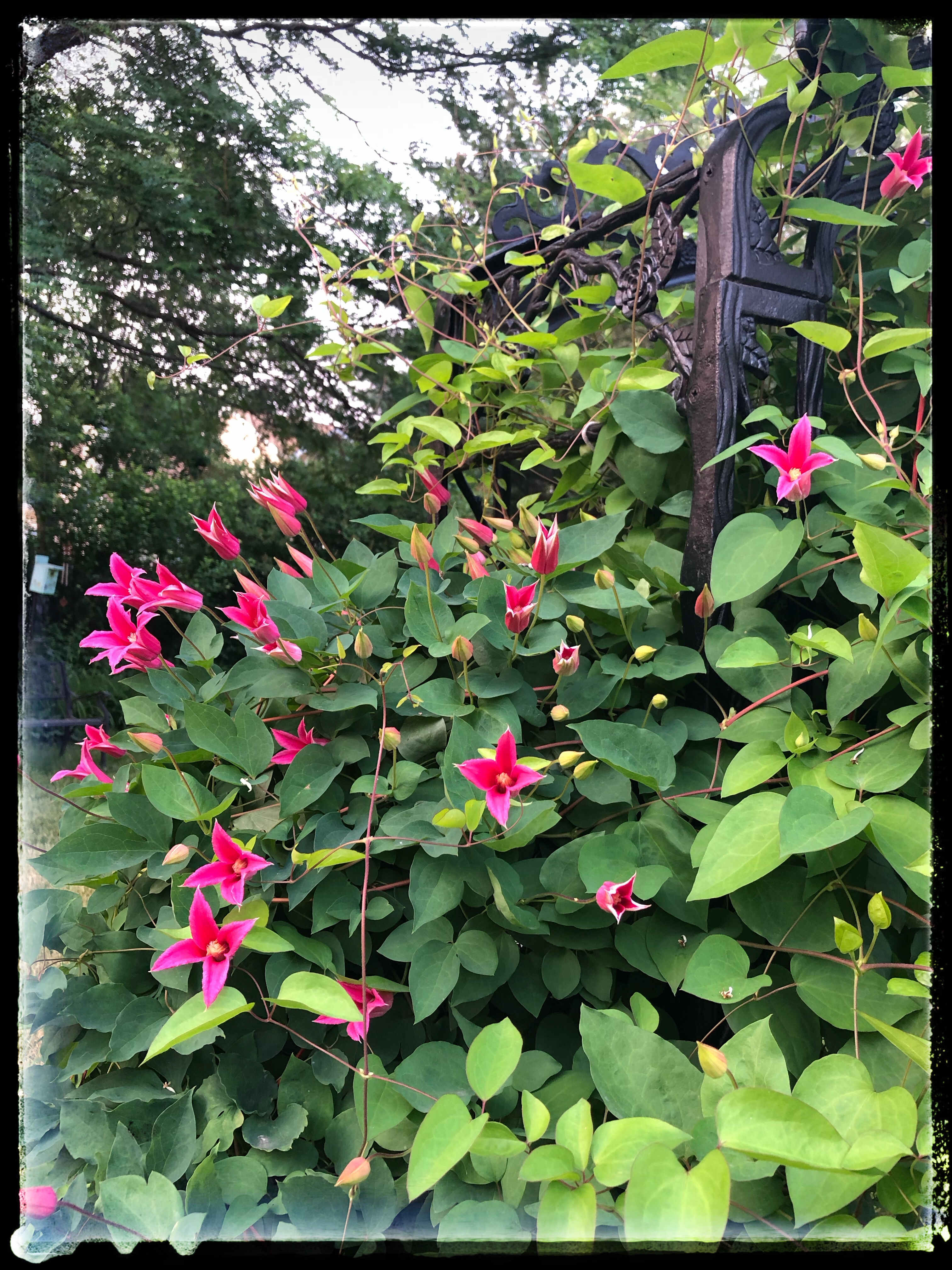
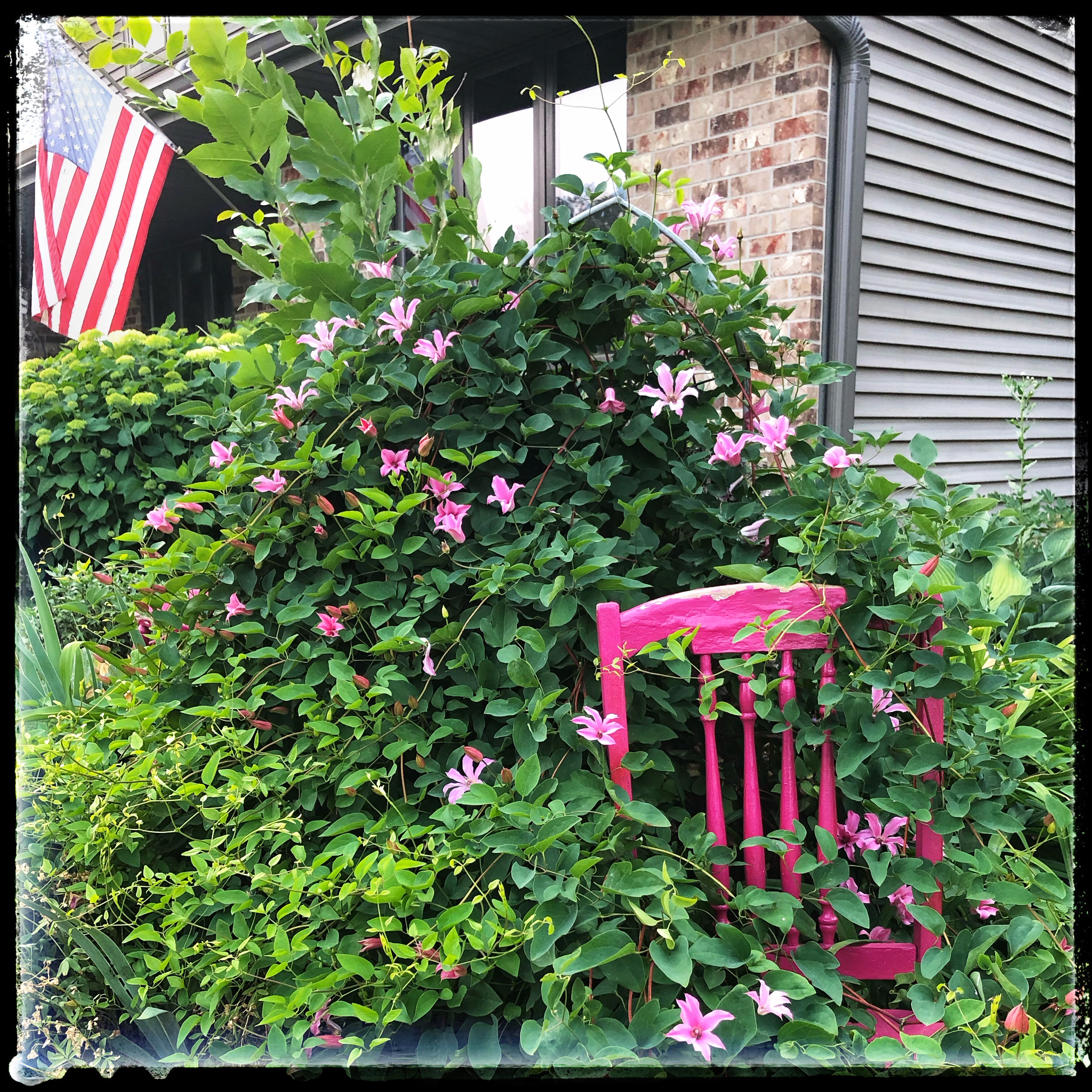
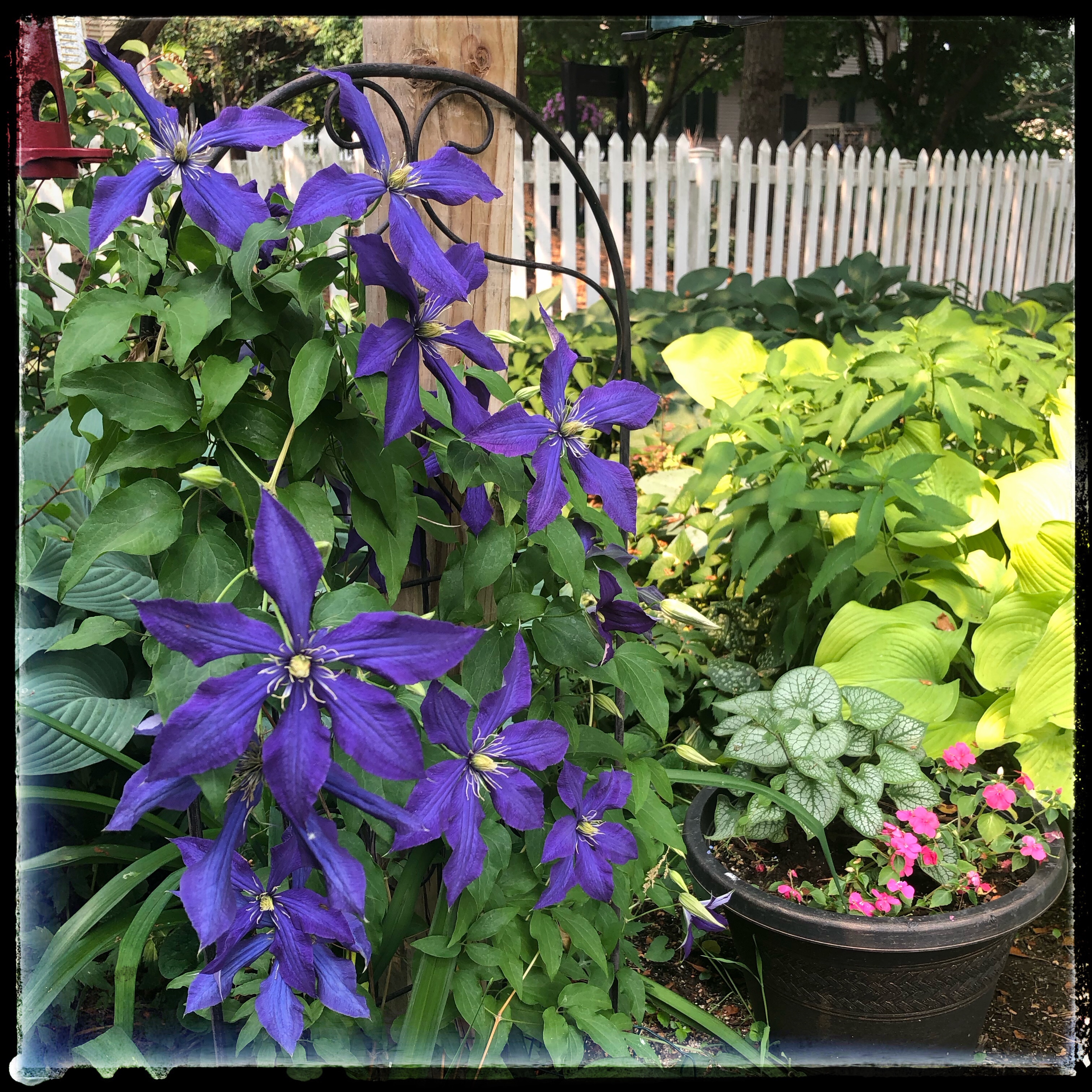
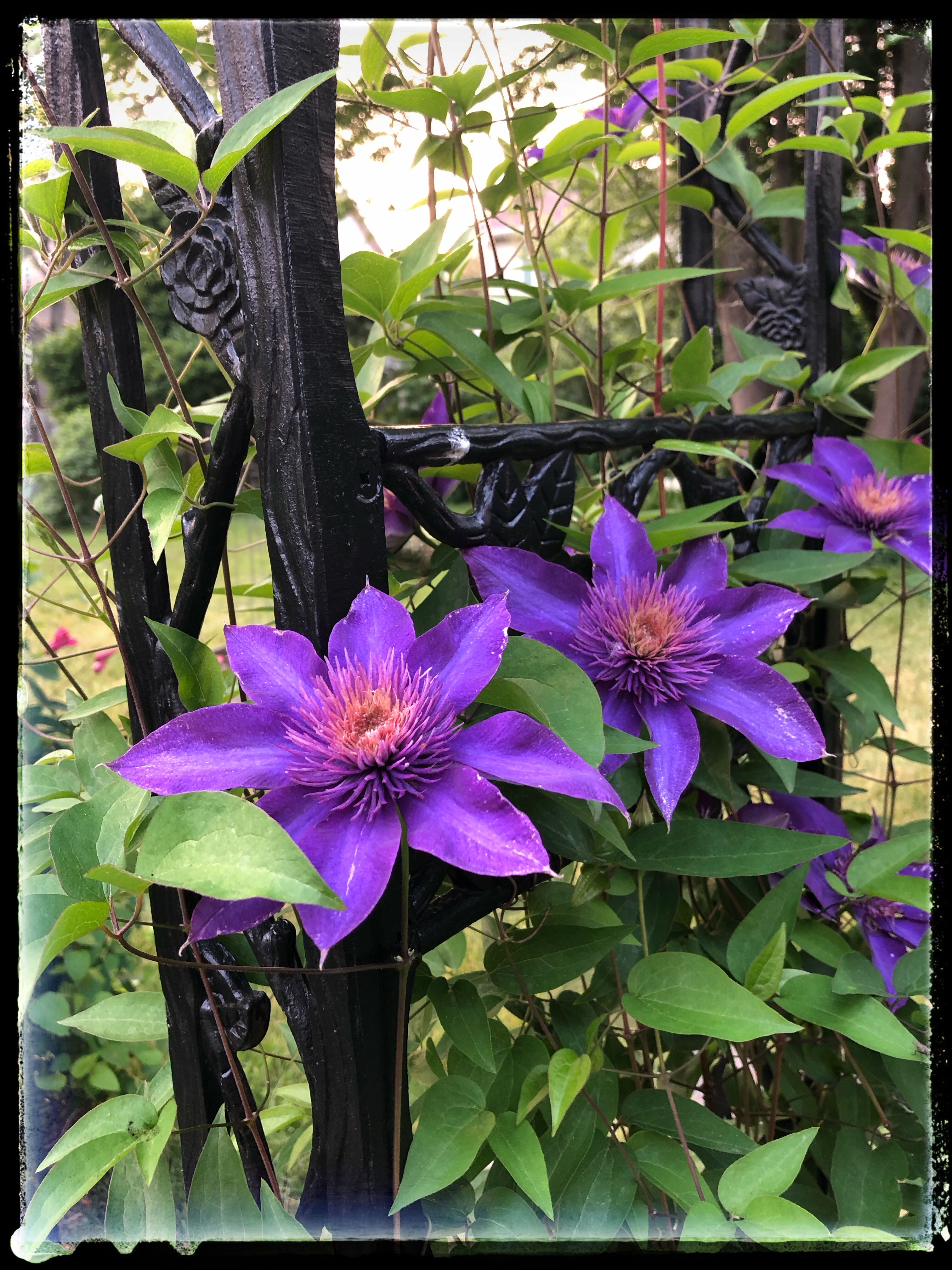
It’s been a pleasure having you stop by for a “Six on Saturday” peek at what’s happening in my Wisconsin garden. If you’d like to see more beautiful garden spaces, pop on over for a virtual visit with Jim at Garden Ruminations–where you’ll find his comment section to be a pleasant pastime.
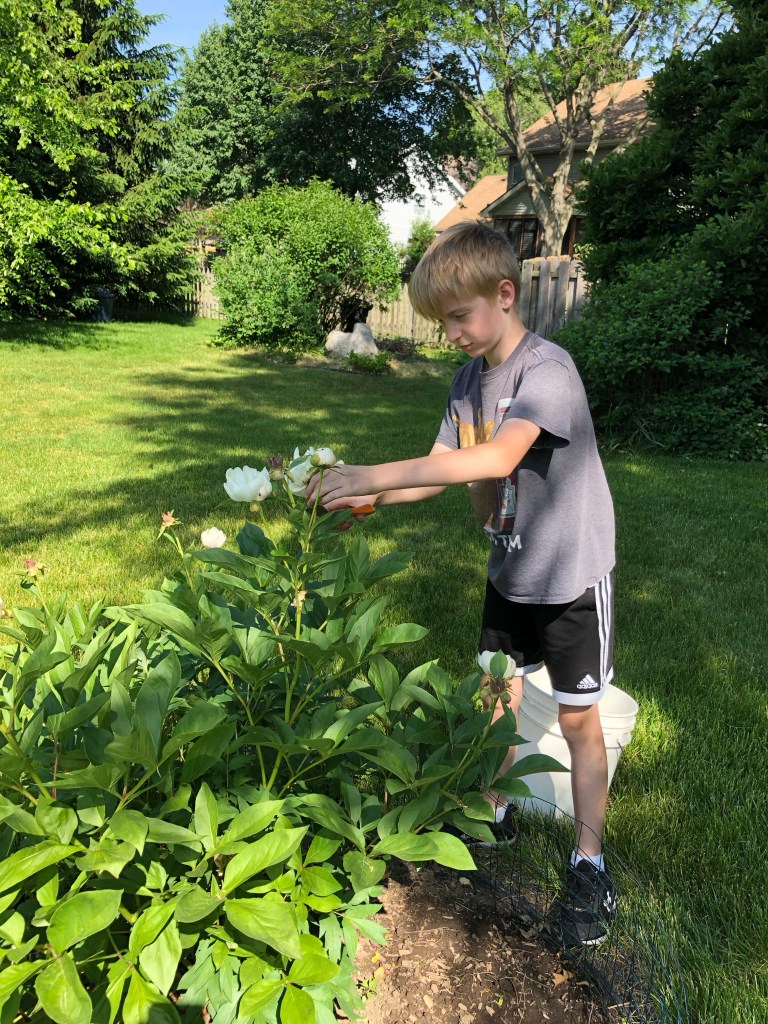
One of my great blessings this summer has been having our grandsons helping out in our garden. Charlie, Henry and George were extremely helpful yesterday morning.
It’s been a lovely (albeit toasty) week. I’ve spent much of my free time playing in the dirt. There’s quite a lot in bloom right now, but I will stick to six photos of irises. They’re such intriguing flowers with a graceful beauty about them.
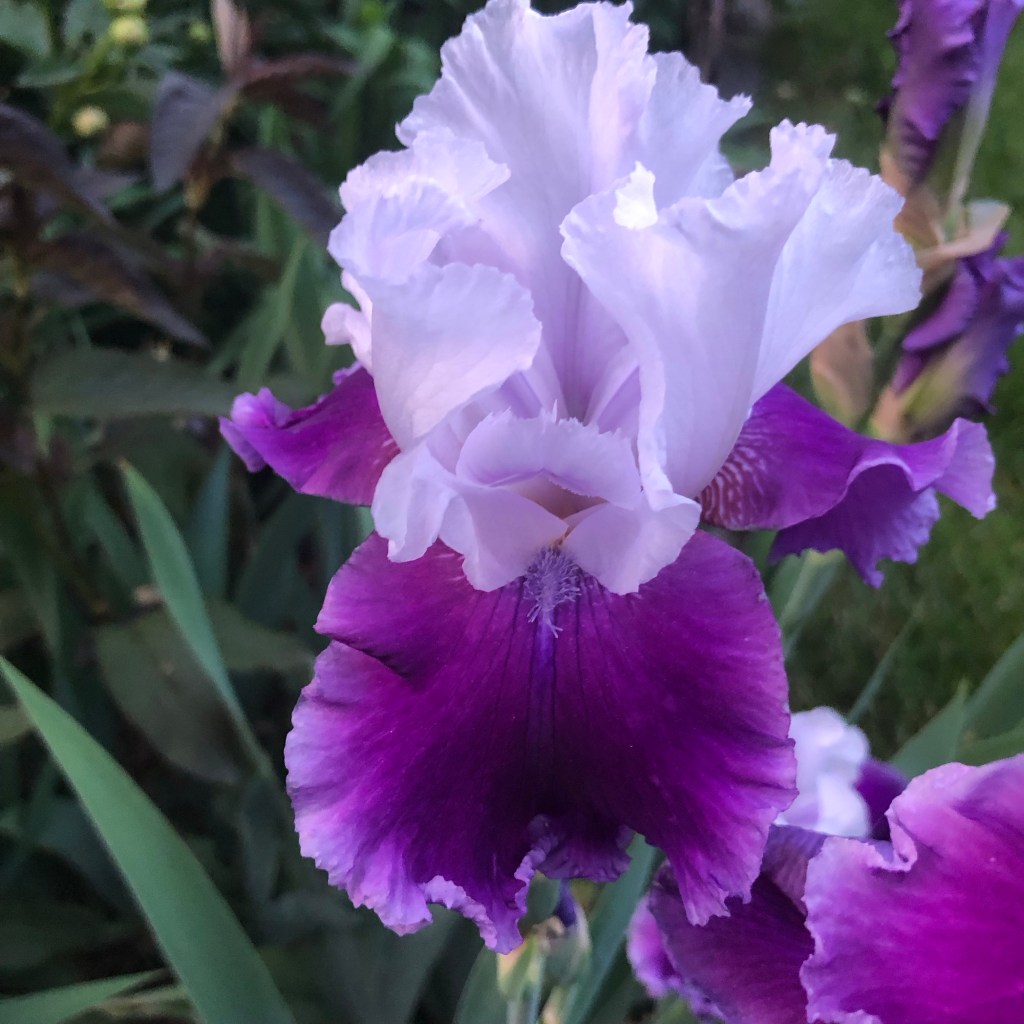


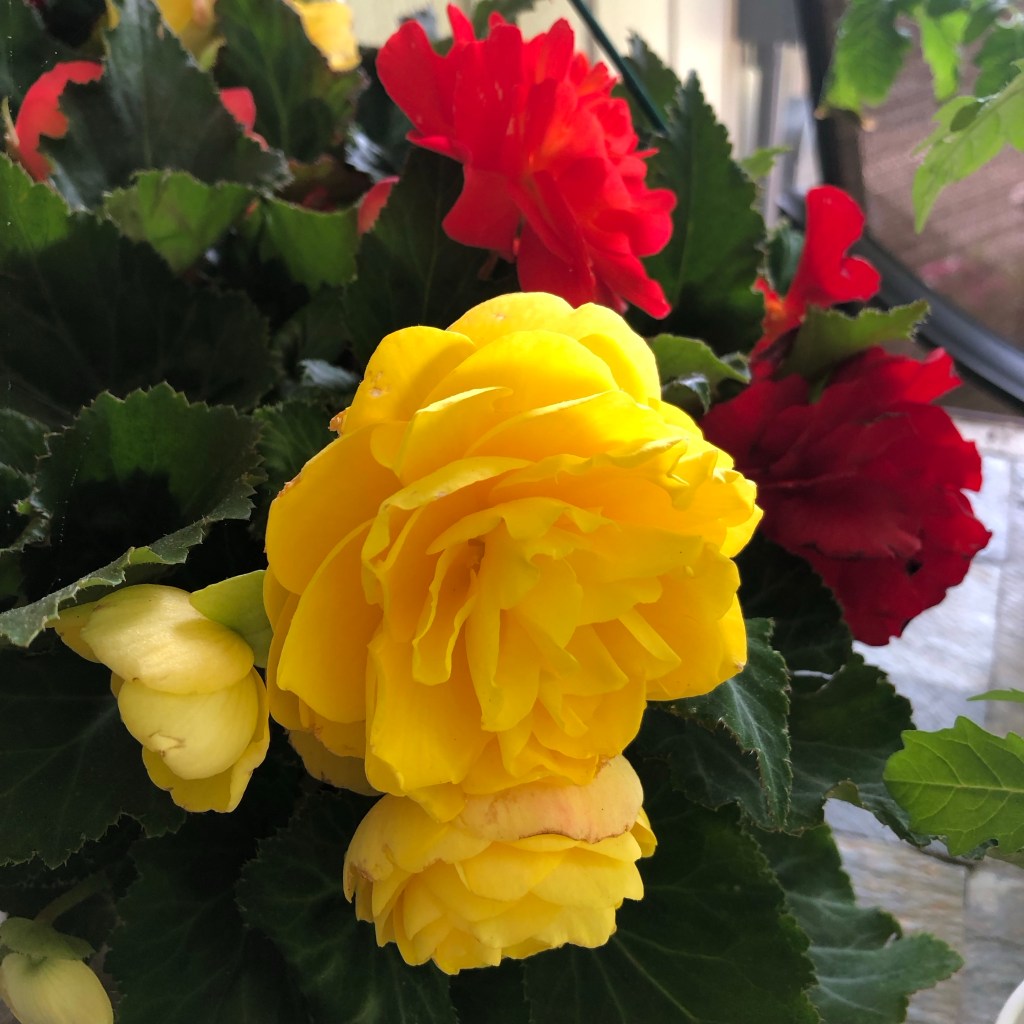


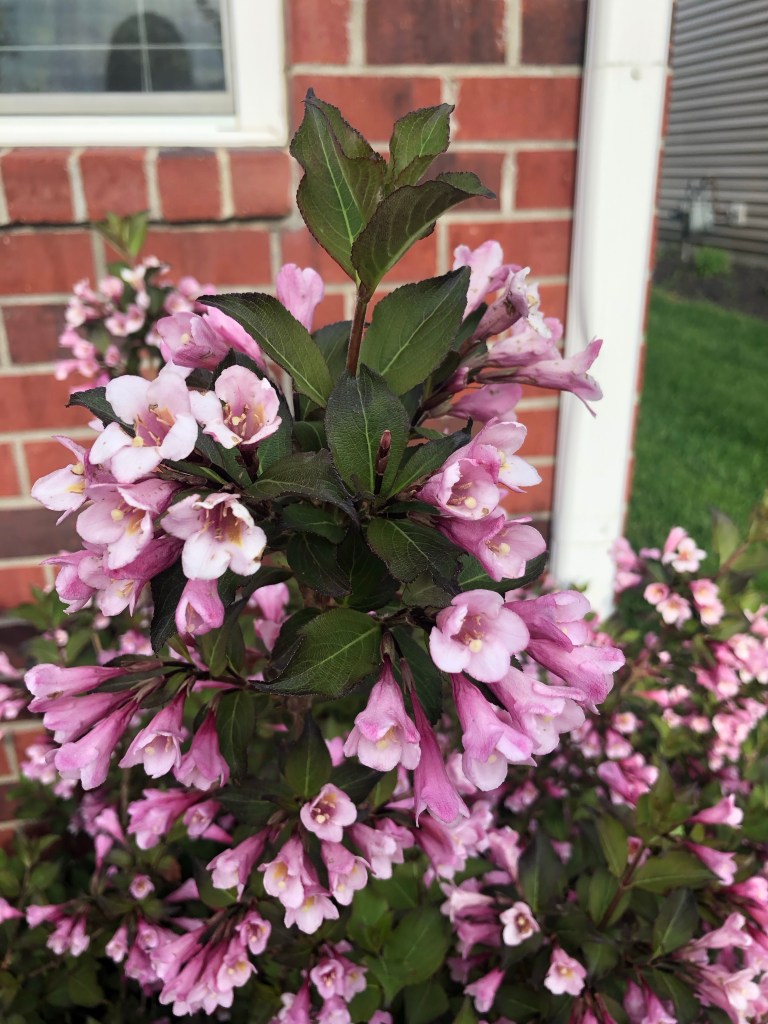


I am joining Jim and my gardening friends worldwide for a little Six on Saturday garden update. Wisconsin has been slow on the draw declaring it Spring, but I think it’s finally arrived. Spring has sprung in all its tulip, daffodil, and flowering tree wonderfulness. So, come along with me for a little tour of six(-ish) things happening in my garden–then hop on the virtual garden club tour bus via Jim’s blog at https://gardenruminations.co.uk/2023/05/13/six-on-saturday-13-5-2023/ and wander through a few more gardens.
Continue reading “Six on Saturday – A New Flowerbed”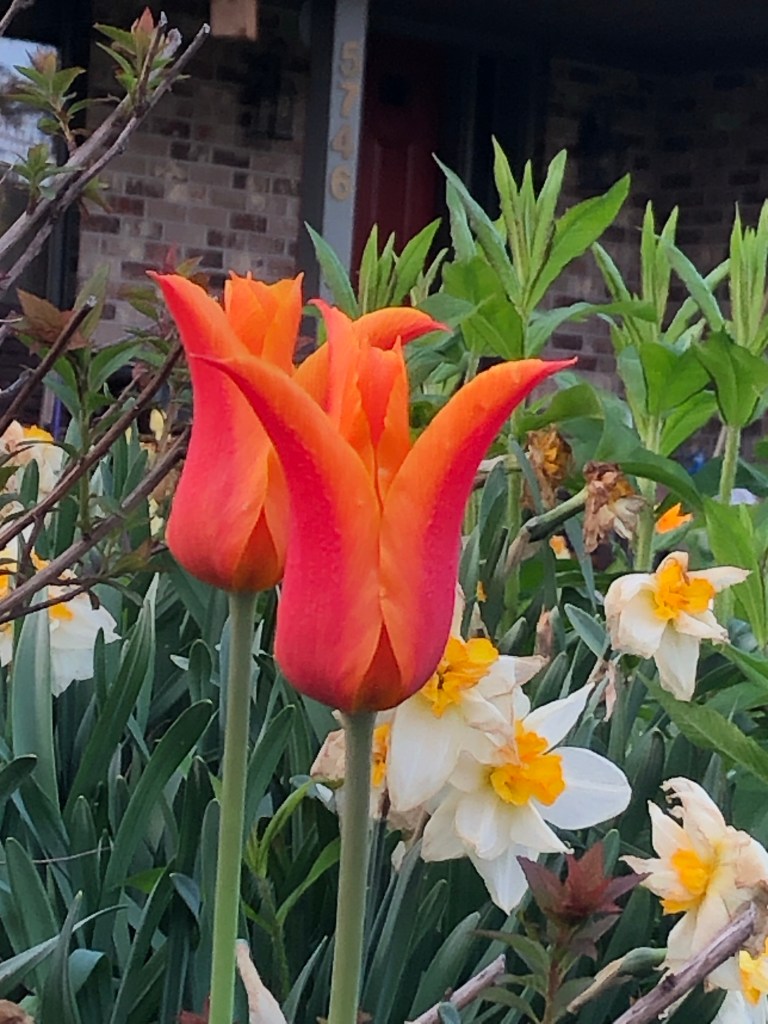
My husband knows I would much prefer a new plant for my garden over cut flowers–but the fragrant bouquet he gave me on Valentine’s Day was certainly a lovely way to remind me of his love for me and fill the wintery gap between now and the time when I can play in the dirt outside.

As my Valentine’s Day flowers begin to droop and fade, I am reminded that Valentine’s Day can be difficult for some. In my personal circle of friends and family, several were bereaved of a loving spouse in the past year or two. Others are going through a valley experience in life and wondering whether their Valentine will be there to love on next year. None of us knows whether we have the next breath. Romantic love is wonderful, but temporary. Finding ways to express Christ-like love is the best. I love Paul Tripp’s article filled with 23 ideas for sharing love with others in 2023.
Did you have a wonderfully romantic Valentine’s Day? Or was any reference to romance or marriage painful for you this year? Maybe it was fun, flirty, and a celebration of the good season you are in. Or perhaps you had a conflict-filled week, and Valentine’s Day felt fake, forced, and a cover up.
Personally, I love romance. I am way over on the romantic end of the emotional spectrum. I do think romance, romantic gestures, gifts, dates, and surprises are an important ingredient in a healthy marriage.
But romance is not love. Romance is not a fruit of the Spirit. You can be a follower of Jesus, filled with Holy Spirit, lacking romance yet incarnating the love of Christ.
This is love: “Not that we have loved God but that he loved us and sent his Son to be the propitiation for our sins. Beloved, if God so loved us, we also ought to love one another” (1 John 4:10-11, ESV).
Regardless of your marital status, here are 23 ways to express cruciform love—”in the shape of the Cross” love—in 2023.
1. Love is willing self-sacrifice for the good of another that does not require reciprocation or that the person being loved is deserving.
2. Love is being willing to have your life complicated by the needs and struggles of another without impatience or anger.
3. Love is actively fighting the temptation to be critical and judgmental toward another, while looking for ways to encourage and praise.
4. Love is the daily commitment to resist the needless moments of conflict that come from pointing out and responding to minor offenses.
5. Love is being lovingly honest and humbly approachable in times of misunderstanding, and being more committed to unity and love than you are to winning, accusing, or being right.
6. Love is a daily commitment to admit your sin, weakness, and failure and to resist the temptation to offer an excuse or shift the blame.
7. Love means being willing, when confronted by another, to examine your heart rather than rising to your defense or shifting the focus.
8. Love is a daily commitment to grow in love so that the love you offer to another is increasingly selfless, mature, and patient.
9. Love is being unwilling to do what is wrong when you have been wronged but to look for concrete and specific ways to overcome evil with good.
10. Love is being a good student of another, looking for their physical, emotional, and spiritual needs so that in some way you can remove the burden, support them as they carry it, or encourage them along the way.
11. Love means being willing to invest the time necessary to discuss, examine, and understand the problems that you face in your relationship, staying on task until the problem is removed or you have agreed upon a strategy of response.
12. Love is always being willing to ask for forgiveness and always being committed to grant forgiveness when it is requested.
13. Love is recognizing the high value of trust in a relationship and being faithful to your promises and true to your word.
14. Love is speaking kindly and gently, even in moments of disagreement, refusing to attack the other person’s character or assault his or her intelligence.
15. Love is being unwilling to flatter, lie, manipulate, or deceive in any way in order to co-opt another into giving you what you want or doing something your way.
16. Love is being unwilling to ask another to be the source of your identity, meaning and purpose, or inner sense of well-being, while simultaneously refusing to be the source of theirs.
17. Love is the willingness to have less free time, less sleep, and a busier schedule in order to be faithful to what God has called you to be and to do in that relationship.
18. Love is a commitment to say no to selfish instincts and to do everything that is within your ability to promote real unity, functional understanding, and active love in your relationship.
19. Love is staying faithful to your commitment to treat another with appreciation, respect, and grace, even in moments when he or she doesn’t seem to deserve it or is unwilling to reciprocate.
20. Love is the willingness to make regular and costly sacrifices for the sake of your relationship without asking anything in return or using your sacrifices to place the other person in your debt.
21. Love is being unwilling to make any personal decision or choice that would harm your relationship, hurt the other person, or weaken the bond of trust between you.
22. Love is refusing to be self-focused or demanding but instead looking for specific ways to serve, support, and encourage, even when you are busy or tired.
23. Love is daily admitting to yourself, the other person, and God that you are not able to love this way without God’s protecting, providing, forgiving, rescuing, and delivering grace.
We love because he first loved us!
God bless,
Paul David Tripp
There are people in my life I am having great difficulty loving as I should. This list reminded me of ways I can show Christ-like love to these prickly-hard-to-love people. I plan to print it and put it in my prayer journal as a guide, not only to prayer, but for putting love into action.
My hope and prayer is that this post will encourage someone who reads this to greater love in your circle of people who need His love.
Keeping On Moving On
Man is made of dreams and bones. (The Garden Song)
Notes on Seeing, Reading & Writing, Living & Loving in The North
All things come. All things go.
Simple ideas to make every room feel stylish and welcoming
Behaviour Support Specialist • Emotion-focused Care Strategies
Low Carb Diet & Lifestyle
CONNECTING HEARTS THROUGH WORDS
thoughts on the spiritual journey
the joy of creativity
The Lord God has given me the tongue of those who are taught, that I may know how to sustain with a word him who is weary. - Isaiah 50:4
A retrospective of the photographs from my last garden plus a few meanderings based on my own experience and a love of all things Asiatic.
Connecting the Americas, Bridging Cultures Supergringa in Spain: A Travel Memoir
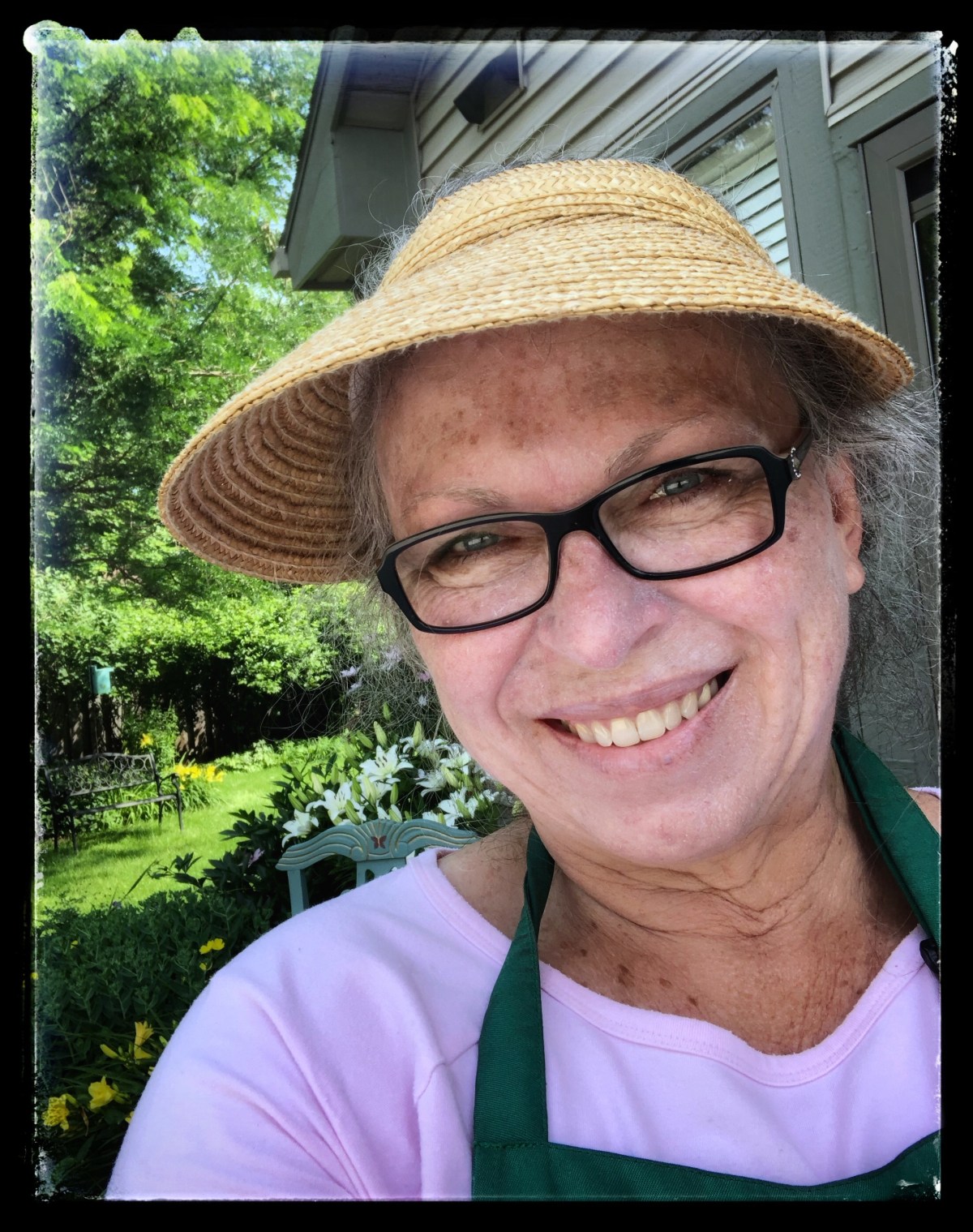
 Barefoot Lily Lady