I’m sure I’m not alone when I admit that I usually don’t know what day of the week it is anymore. Not because I feel like I’m losing my cognitive abilities; rather, my days (and yours, I would venture) have lost their structure and rhythm. With all the usual activities on the calendar wiped clean, my internal calendar has gone kerflooey.
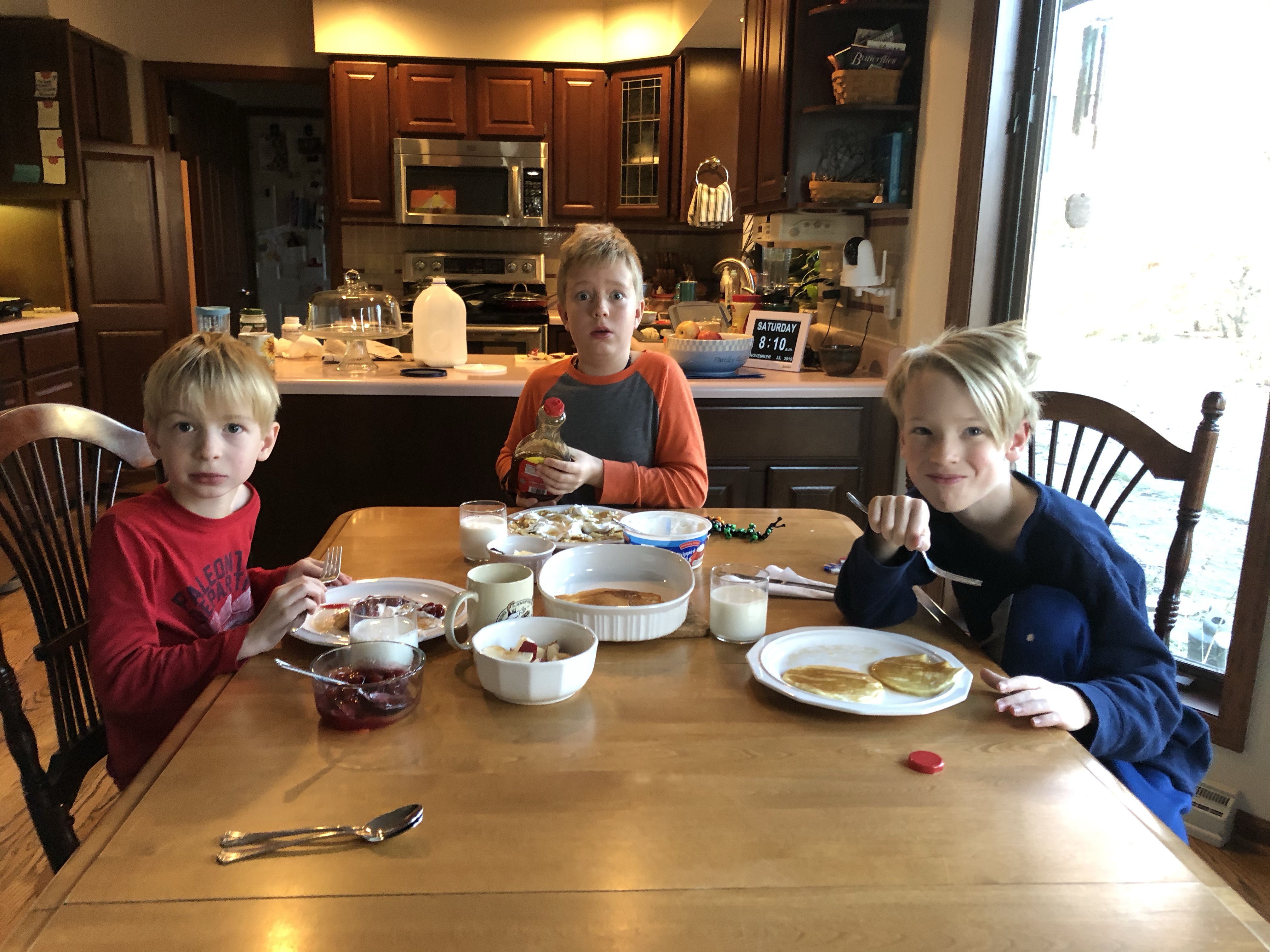
Were it not for my phone and the special clock we bought for mom, I’m pretty sure I would often not have a clue. (Yes, it’s an old picture. Some of you may be thinking, “No wonder she doesn’t know what day it is!”)
Even though I may not know what day it is, I have challenged myself to keep busy. My house is getting cleaner by the day as I try to tackle one or two cleaning tasks each day. Cupboards and closets are being ‘tidied’ KonMari-style; even the car has been tidied, organized, vacuumed and washed. During our recent warmer weather, I was able to give the garden a little of the attention it deserves. Books that have been in my “read someday” pile are actually getting read…or removed from the pile.
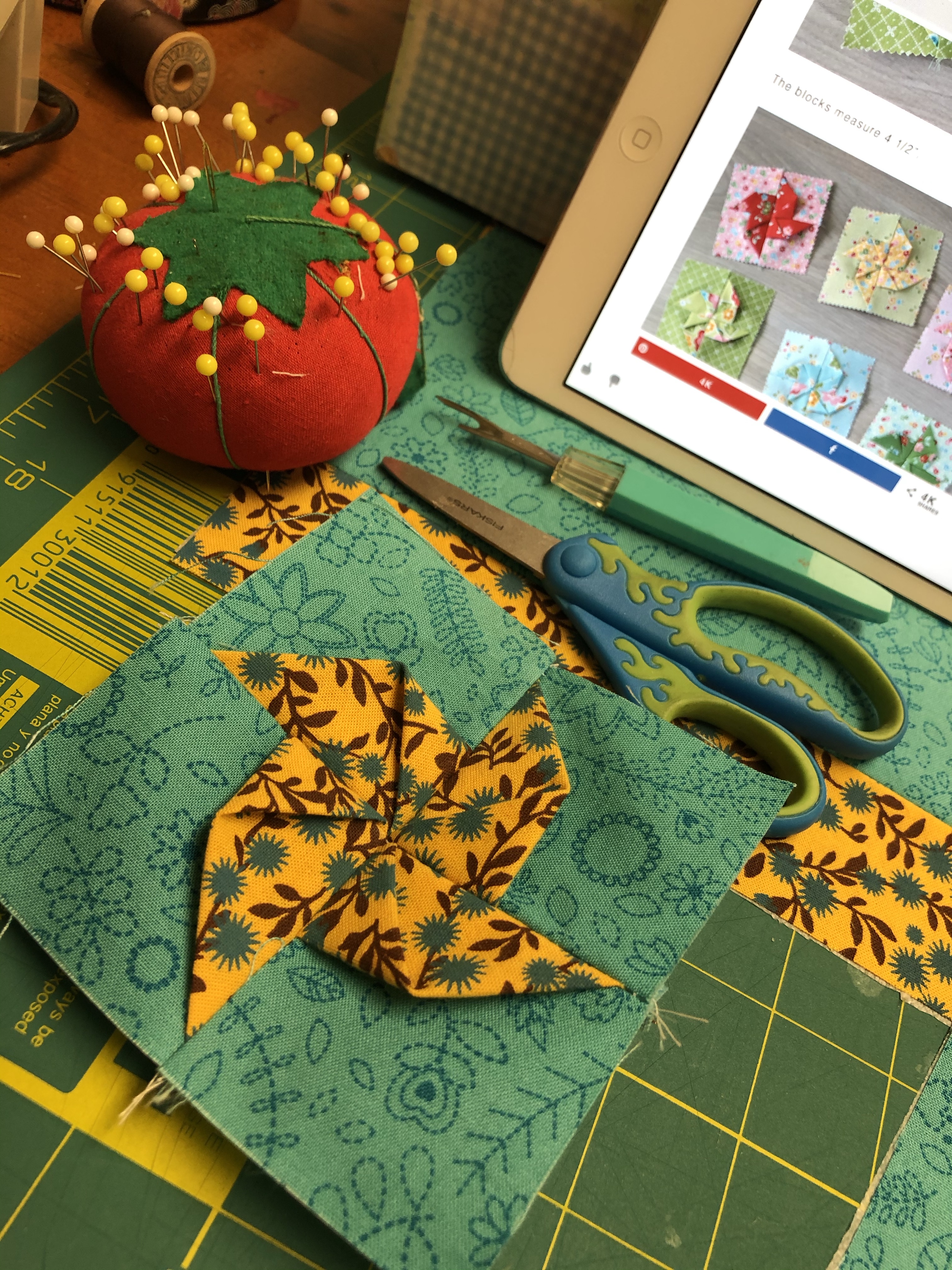
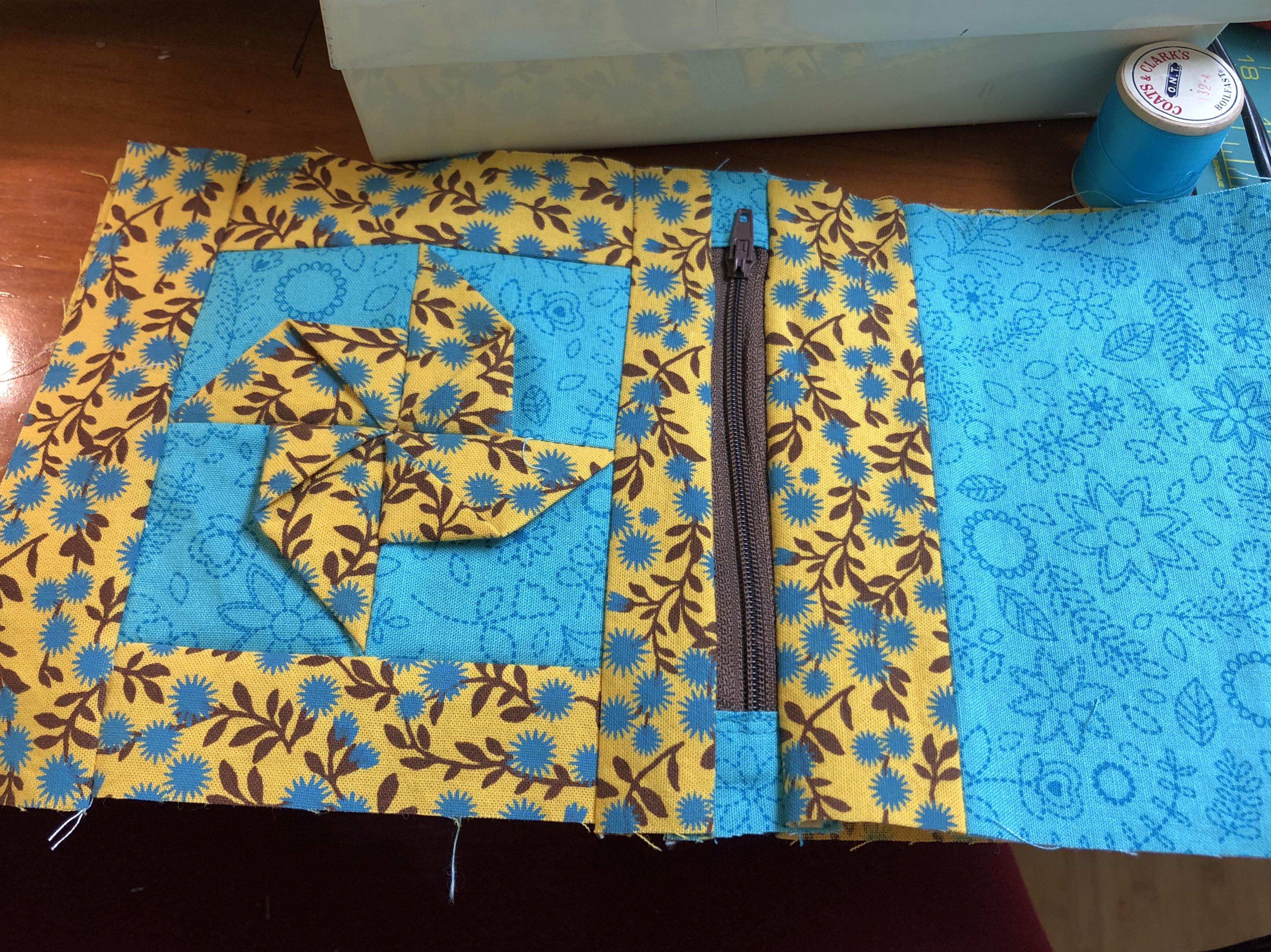
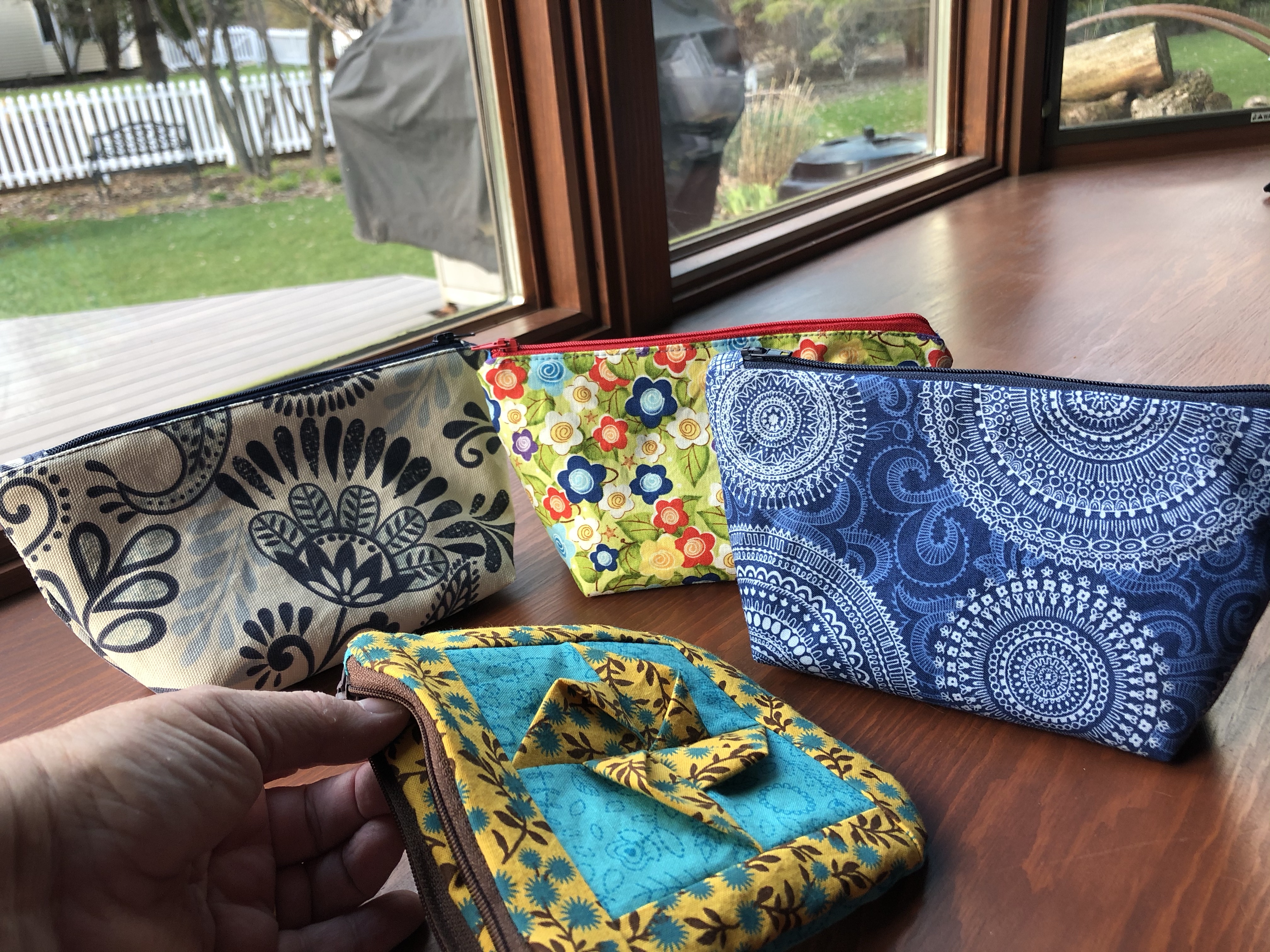
My craft room is a disaster though – it looks like a fabric bomb exploded in there. This time it’s me making the mess and not my grandkids. The weather isn’t cooperating for my preferred activity of gardening, so I’m actually getting around to trying to create some of those ideas I have “pinned” on Pinterest. As an aspiring seamstress, I stink at inserting zippers. With life moving at a slower pace, I determined now was the time to practice. So, I’ve been making little things that require zippers: tote bags, makeup bags, and a little pouch.
I’m enjoying this quieter life, along with its opportunities for creativity. Even so, I’m really looking forward to getting back to normal. I’m only hoping that this time spent in quiet has helped me to see that “normal” could look different – less busy, yet more productive and fulfilling.
What about you? What have you been doing to fill your quieter days?
I think one of the things I miss the most during this time of pandemic isolation reality is being able to gather around a table with those I love. I don’t think I’ve truly understood the importance of ‘gathering together’ in my life until now when it isn’t advisable to do so.
Tables are made for gathering, and so are we.
Every room in my house has a table. Some just gather stuff: a bedside lamp and a stack of books; a little collection of photos and a jar of buttons. But most tables are designed to be a place where people sit and gather.
In our home, there’s the gem of a dining room table we found in an antique shop in downtown Milwaukee. It came with six chairs, three leaves and a sideboard. The rattan seated chairs have since been replaced by some Amish built oak chairs of a sturdier variety.
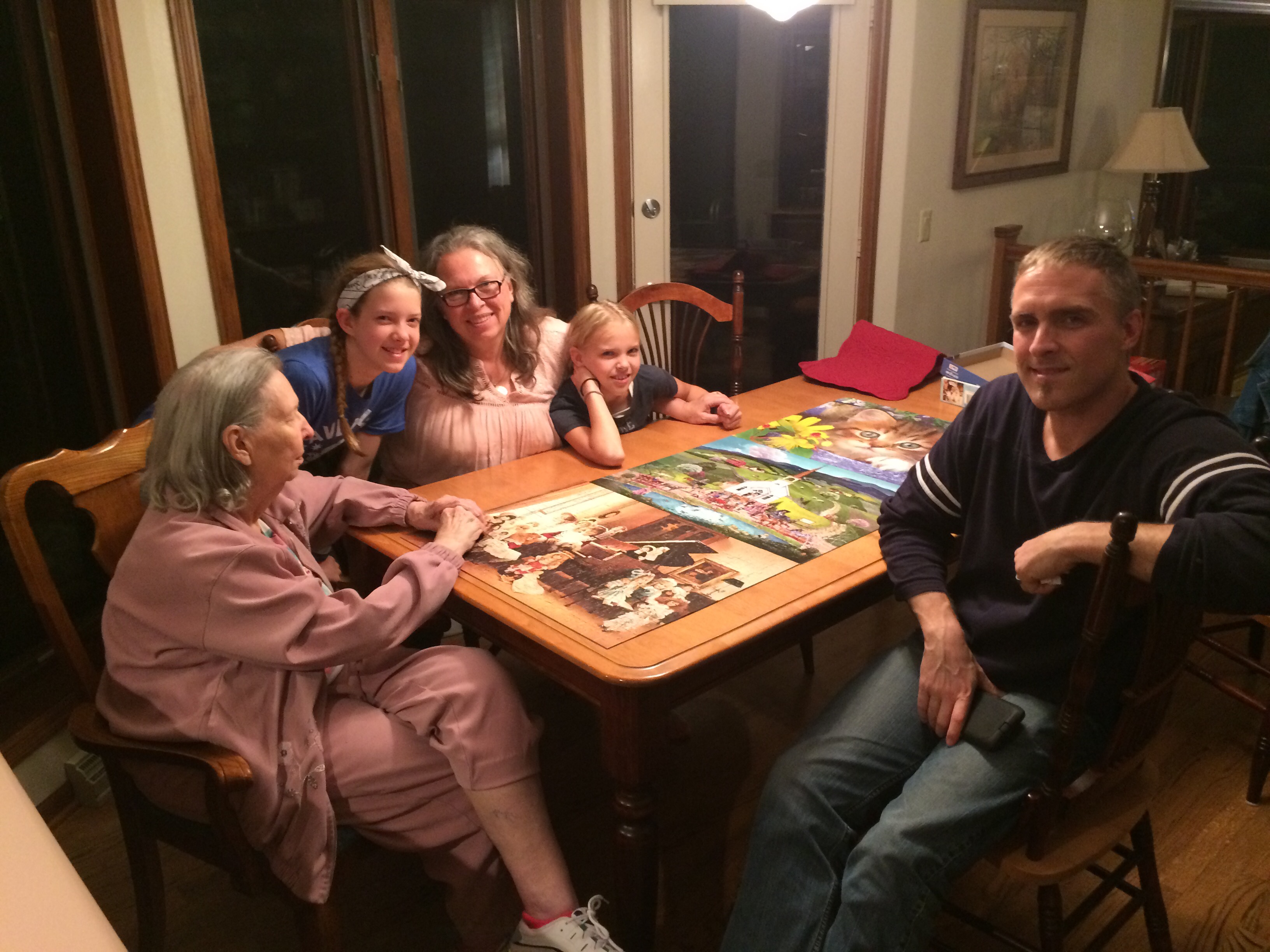
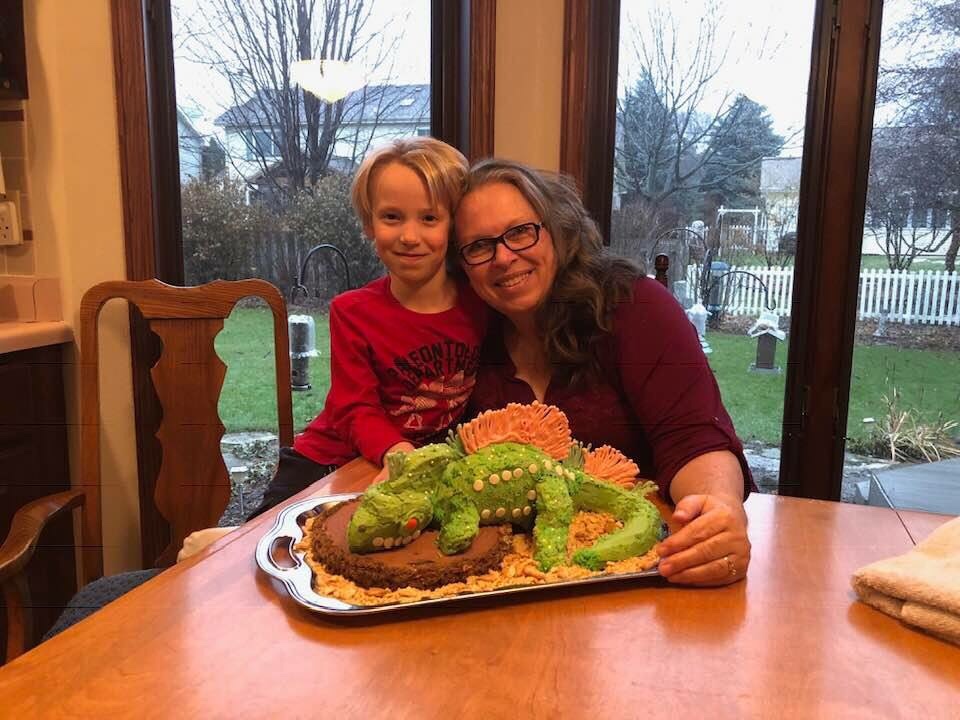
Then, there is our wonderful kitchen table purchased shortly after moving into our home 20-something years ago. I fell in love with that table when we were shopping for a couch – actually, I think it was the table’s matching china cabinet that I fell in love with, but hubby was willing to buy the whole set for me. The table has taken a beating over the years, but it’s still our favorite place for family and friends to gather for a meal, to work a puzzle or play a game, or sing “Happy Birthday” and enjoy the requisite cake.
This favorite table of mine has a little drawer on one its long sides. Matt and Beth always sat on that side of the table. I didn’t find out until they were all grown up that whenever they didn’t want to eat something on their plate, they would wait until I wasn’t looking and then tuck whatever it was in the drawer. Later, when no one was in the room, they’d return to the scene of the crime and remove the disgusting food and hide it in the garbage can. It would not have been a laughing matter if they were caught doing that back then, but it is now. Whenever I sit at that table to craft or sew, I see that little drawer and smile.
My favorite table in its present abode – my craft room…and a glimpse at Matt and Beth’s drawer.
Memories are even etched in the table top itself. If you look at its table top from just the right angle and in the right light, you’ll notice years and years of homework assignments, letters, and grocery lists etched into its soft pine wood. My favorite table continues to gather memories of this sort (along with paint splotches, glitter and glue) as my grandkids gather around it and work on various arts and crafts.
Tables are made for gathering. I hope that my favorite table will be a place to create and gather memories for many years to come.
I’m a familiar face at Oregon Manor Skilled Nursing Facility in Oregon, WI. Normally, I’m in and out of there several times a week, transporting my brother Brad to or from somewhere or another, or just stopping by to bring him a smile and a cup of coffee (and a donut, if he’s lucky).
Things are a bit different now. Now I can’t go in at all.
On Monday, I rang the doorbell to the skilled nursing facility and then waited on their front porch. Tom, the facility’s administrator answered. I told him I was there to pick up Brad for an appointment at the VA. Tom went to get Brad from his room and then delivered Brad and the necessary paperwork with his medical information to me on the front porch. Tom apologized for being unable to let me in, but I understood; it was for the safety of everyone, myself included.
Even purchasing a cup of coffee for my brother was entirely different, somewhat strange experience.
I usually stop at the Kwik Trip just down the road from where Brad lives and pop in to buy him a cup of coffee to drink on our way to the hospital. Brad likes their coffee, so it’s a treat for him. Today I couldn’t pour him a cup of coffee and fix it the way he liked it because they had suspended all of their self-serve food and beverages. No worries, though. Thankfully, an employee, donned in gloves, poured Brad’s Kona dark into the extra-large cup, then added half & half until I said “when” – he likes a LOT of half & half, so “when” took awhile.
Our route takes us through the UW-Madison campus, normally teaming with student activity. Not this time. No students on bikes. No pedestrian traffic. Businesses that cater to student customers seemed forlorn and bereft of customers – some looked closed. Definitely an easier commute, but sad at the same time.
We needed to answer more than the usual screening questions at the VA’s parking garage, which seemed cavernously empty. In stark contrast to my usual squeal of delight when I actually am able to find a handicap parking spot (with my brother giving me the amused side-eye), we were both in wide-eyed wonder that we had our pick of ALL the prime handicap spots today. In fact, ANY spot would have been large enough to maneuver my brother in and out of the car with his wheelchair. It was like a ghost-town.
The procedures for gaining access to the hospital changed too, so as to minimize the risk of infection. There was a designated entrance with closer scrutiny and screening, and explicit directions to use an entirely different designated exit to minimize contact. There was no wait for an elevator (although there was one man on the elevator who protested that we got on it with him); it’s really hard to practice social distancing when you’re in an elevator and pushing a wheelchair.
Checking into the podiatry clinic was different too. A line of blue tape on the carpeting masked off a safe distance from the clinic’s reception desk. Brad and I had the pick of ALL the spots in the empty waiting room in the Lighthouse Clinic’s waiting room, where we normally have to find a spot within ear-shot in a nearby hallway. Very few patients are being seen, but they wanted my brother to come in because he is at great risk for bone infection and they are concerned about the possibility of him losing his big toe. I’d show you a picture, but trust me, you don’t want to see it.
Working with a skeleton crew in their clinic, the doctor himself came out to call Brad back to an examination room. Normally dressed in standard issue scrubs, today he was wearing a mask and had a hospital gown over his scrubs; the gown wasn’t the usual disposable gown made of blue paper, rather the cloth type one wears if they are an in-patient in the hospital — you know, the ones that tie in the back and leave your backside exposed. He carefully examined Brad’s toe, emphasizing how important it was that we get this problem under control in order to avoid amputation. Brad routinely refuses care in his nursing home, so I’m hoping that this frank discussion put a little more cooperation in him. We’ll see.
In no time, we were headed back to Oregon Manor. Arriving at the same porch where I picked Brad up, we rang the doorbell and reversed the procedure. I thanked Tom and Brad’s nurse for all they’re doing to keep residents safe and healthy, assured them of my prayers for wisdom and protection, then headed home.
It’s a beautiful spring day and it was late-morning, so I decided to make McKee Farms Park my destination on my way home. The luscious fresh air is still a little nippy, so I buttoned up my jean jacket and headed to the paved walking path. It’s my custom to pray as I walk. Today I thanked God for the people who, at risk of their own health and welfare, take care of my brother and my mother. Walking, praying, and enjoying the beauty, I couldn’t help but notice how social distancing is evident even here at the park with people keeping the recommended 6 feet of distance between themselves. The playground was eerily quiet, with no children enjoying it, even though they are all out of school.
But you know what? I noticed something else at the park too – something nice. Families. They weren’t hanging out at the playground with the kids running around and parents seated on benches looking at their cell phones. Moms, dads and kids were out walking or riding their bikes together. They were talking, smiling and laughing together. One dad was out there teaching his little one how to ride a bike. Another dad was helping his kids fly kites while mom pulled a little picnic blanket and snack out of her backpack for them. One family was taking a walk ahead of me on the path, and the kids were having fun practicing what we’ve come to know as ‘social distancing’ as they held onto the ends of 6′ ropes.
As I continued my little prayer walk, I thanked God for showing me another hidden grace of this difficult time when we’re being advised to shelter at home and practice social distancing: families truly enjoying this slower pace of life together.
I would love to hear from you! Please share in the comment section below one of the “hidden graces” you have noticed during this crazy time of responding to the COVID-19 crisis.
Every now and again, someone will share a sweet story of how my mom touched their lives in some way. I love to hear the stories and decided I should really take a few moments to write them down so that I can continue to be reminded of her kindness and generosity.
One such story came via Facebook Messenger from my friend (and Mom’s) Janet Farley. Many moons ago Mom, Janet and I served together in our church’s ministry in a club for kids called Awana. I was the director of the girls’ club, mom was my club secretary, and Janet was one of our faithful Awana leaders. Janet’s daughter Bess was one of the clubbers in this ministry to kids in grades 3-6.
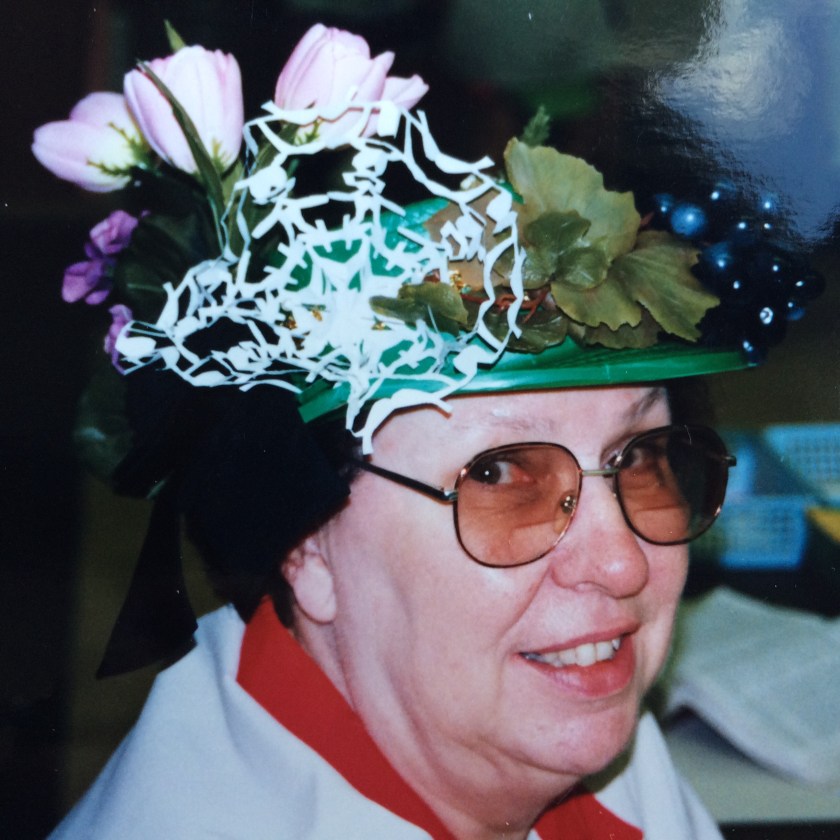
Mom sporting her own millinery creation for ‘Crazy Hat’ night in Awana
Janet shared with me that her daughter Bess recently came home with her husband and baby Charlie for a visit. While Bess was at home, she decided to go through some of her old things. Janet shared, “Among them was this kind letter from your mom. Your mom has changed so much, but this note is how most of us think of her. She is a wonderful lady.” Janet shared these photos of the note and I have permission to share it with you:
Momma took time to make it personal
If you take time to read the notecard you will surely see that my mom made the card so personal. Janet made this observation about the card sent to her daughter,
“I think it is special that this note to a young girl is not just a rushed short card but is full of details and caring.”
Janet Farley
My mother had a good example in both her mother and her grandmother, who faithfully took time to write wonderful letters. Her grandmother, also named Bessie, set aside time each evening to write one long letter and one short note. As her eldest great-granddaughter, I was privileged to receive several of her letters.
Receiving thoughtfully written letters and cards via postal delivery has all but been replaced by email and memes. My sweet momma enjoys reading (and re-reading) the cards she still receives, but Alzheimer’s has advanced to the point where she can no longer compose her own letters. I’ve “inherited” her large stash of stationery, cards and postage stamps. Now it’s my turn to continue this letter writing legacy by picking up a pen and writing to someone who needs encouragement and a little bit of love in an envelope.
The indignities of the later stages of Alzheimer’s are many, and it is hard to watch my mother wrestle with them. As I sit with her on her rough days, I pray for her and ask God to “take her gently Home” in His perfect time. I confess praying too that God would somehow spare me from this oftentimes familial disease.
A few days ago, Momma was having a very rough day. It broke my heart to see her in such pain and mental anguish. As I sat with her and tried to be of comfort, I thought about something my sweet mother-in-law used to pray. Quoting from a poem that was dear to her heart, her prayer was, “God, in your time, please let me get home before dark.”
By God’s providence, I came upon the prayerful poem that Shirley had typed out and prayed by faith for herself. Today, I make this my prayer as well.
Let Me Get Home by Dark
by J. Robertson McQuilkin
It’s sundown, Lord.
The shadows of my life stretch back
into the dimness of the years long spent.
I fear not death, for that grim foe betrays himself at last,
thrusting me forever into life:
Life with you, unsoiled and free.
But I do fear.
I fear the Dark Spectre may come too soon –
or do I mean, too late?
That I should end before I finish or
finish, but not well.
That I should stain your honor, shame your name,
grieve your loving heart.
Few, they tell me, finish well…
Lord, let me get home before dark.
The darkness of a spirit
grown mean and small, fruit shriveled on the vine,
bitter to the taste of my companions,
burden to be borne by those brave few who love me still.
No, Lord. Let the fruit grow lush and sweet,
A joy to all who taste:
Spirit-sign of God at work,
stronger, fuller, brighter at the end.
Lord let me get home before dark.
The darkness of tattered gifts,
rust-locked, half-spent or ill-spent.
A life that once was used of God
now set aside.
Grief for glories gone or
Fretting for a task God never gave.
Mourning in the hollow chambers of memory.
Gazing on the faded banners of victories long gone.
Cannot I run well unto the end?
Lord, let me get home before dark.
The outer me decays –
I do not fret or ask reprieve.
The ebbing strength but weans me from mother earth
and grows me up for heaven.
I do not cling to shadows cast by immortality.
I do not patch the scaffold lent to build the real, eternal me.
I do not clutch about me my cocoon,
vainly struggling to hold hostage
a free spirit pressing to be born.
But will I reach the gate
in lingering pain, body distorted, grotesque?
Or will it be a mind
wandering untethered among light phantasies or
grim terrors?
Of your grace, Father, I humbly ask…
Let me get home before dark.
I’m a little behind in my posts concerning my journey alongside momma and her traveling companion: Alzheimer’s. I wrote this a few weeks ago, so am posting today in hopes of helping interested friends and family catch up on how things are going.
I guess my sweet momma has been not-so-sweet in the evenings lately. When I arrived for a recent visit, two of her nurses were glad to see me, as they were discussing “what to do about Charlotte.” They shared with me that, around 8 pm, anxiety sets in and momma becomes a different person – extremely hard to handle, won’t sleep, wanders into other residents’ rooms, won’t stay seated in her wheelchair, gets down on the floor and plays with wires on her alarm mat, talks incessantly and loudly, and demands attention if she feels you’re not paying attention to her.
Cries of “Help me! Help me!” are common now. When help comes, she doesn’t have enough language to be able to articulate what she needs. The staff do their best to guess what she needs, but she sometimes aggressively resists those attempts to help her. She really needs help with all matters related to personal care and getting dressed, but often gets angry and combative when staff try to assist.
I have noticed hints of similar behavior when I am there for lunch. Staff will tell me she refused care in the morning and preferred to sleep over coming out for breakfast. I am usually able to get her up for lunch (we sometimes have to make it a double-team effort), and she’ll sometimes show up in her pajamas, but she will usually eat a hearty lunch (the caregivers put extra food on her plate knowing she won’t ask for more and that it may be her only meal that day).
Some abilities are pretty much gone for good; others seem intermittently absent. On any given day, she may not have a clue as to how to eat what is on her plate. By the following day, she may be eating with relish, including snitching from the plate of a nearby resident who wasn’t interested in their food. One particularly difficult day, mom ate her lunch, but needed coaching for each item on her plate. Some days there was no way she was going to take a shower; then there was the recent rare day when she was super cooperative and blessed her shower attendant with profuse thanks for helping her.
The staff has been busy trying to find the best routine for her. Sometimes it’s tweaking which medications she takes, other times it’s adjusting the timing of medications to see if that will help. The two-fold goal is to keep her as pain-free as possible and help her relax and get some sleep in the evenings without making her too groggy in the mornings.
As hard as all this is, I need my readers to know that I am concerned, but not anxious about this. In fact, my heart is overwhelmingly thankful for the good care she receives from some pretty amazing caregivers. God is at work, even in the hard times.
Not long ago, I spent time in the old testament book of Habakkuk in preparation for teaching from that book in Sunday School. Now, I know I’ve read that book before whenever I came upon it in a “Through the Bible in a year” reading plan checklist. I have probably breezed through its three chapters in this way a handful of times, but I don’t think I’ve ever spent much time pondering it; and I don’t think I have ever taught from it. This time I listened to it via my Bible app. Next, I read it. Then I listened to it again as I followed the words in my own copy of Scriptures – I always tend to pick up on more of the nuances of a passage when I use more than one sense. Finally, I read what Ray C. Stedman had to say about it in my favorite Bible commentary, Adventuring Through the Bible.
Habakkuk had some complaints for God. I found it comforting to realize that God listened to those complaints, and He answered. Habakkuk shared how hard it was for him to fathom why God allowed such bad things to happen in the world around him; it seemed that God did not care, that He was idly watching all the evil happening, that He was without mercy. The Lord didn’t chide Habakkuk for being a complainer; instead, He answered his complaints by assuring Habakkuk that He was working in the background on things which Habakkuk could not see or understand.
I identified with Habakkuk in his wondering what God is up to and wasn’t afraid to ask the “why” question. I look at what my mother is going through and I sometimes feel as though God is not answering my cries on her behalf…or her own cries for release. While it is not the same context or circumstance, I am reminded that Habakkuk’s God is my God too – and He works today in much the same way as He did when these words were penned: “If it seems slow, wait for it; it will surely come: it will not delay.”
I find myself in deep admiration of the prophet Habakkuk. He asks the questions I wish I was bold enough to ask. He then takes a good look at the perplexing things of life and compares them with what he knows about God, then applies his knowledge of those truths to the problem.
This process of walking alongside Momma on this final leg of her sojourn toward her heavenly home only seems slow to me. But I am confident that God is at work. He is “doing something in the background” of life. Based on what I already know of God, I know that whatever it is, it is good and His timing is perfect.
BeeHive is the name of the wonderful assisted living memory care where my mom lives. On Thursday evening BeeHive certainly lived up to its name with the buzz of excitement as families and friends of the residents and staff gathered at the hive for a Christmas party.
The gathering had all the makings of beautiful affair with great food, fantastic music, a little dancing, and opportunities to meet and greet the loved ones of the 16 residents I have come to love.
Credit for all photos in this blog post goes to: Kathleen Zelinski, BeeHive Activity Director
Momma couldn’t hear the fantastic music because she is really hard of hearing, but she had her fill of snacks and pleasant conversations. I think she and Dolly enjoyed themselves. They retired early, as crowds aren’t their thing. As is the way with Alzheimer’s, Momma won’t remember a thing about the party in the morning.
Sometimes there is only joy in the moment for our loved one, and memories we make together are ours alone to cherish and remember.
[Please watch this video if you’d like to learn more about BeeHive Homes of Oregon, WI.]
“So, are you still doing that radical wheatectomy diet thingy?”
That’s a question I was asked just this week. The short answer is yes. I have continued to eat wheat-free and have essentially been eating gluten-free since early October. If you didn’t see my first two posts on this subject, you can read them here and here to find out why I began this journey.
I recommend reading the two books which began my wheat-free dietary journey.
Now, here’s the reason I plan to continue avoiding gluten in my diet. My muscles and joints are no longer screaming at me. In fact, after a long hiatus, just this week I felt well enough to resume going back to the gym. I’m easing into it, but I’m back and loving the feeling of a different kind of pain.
It has been an interesting journey as I began paying more attention to food labels and have started playing in the kitchen in order to revamp some of our favorite recipes and transform them into gluten-free alternatives. This new dietary discipline has helped me develop a more consistent routine related to meal planning and preparation. Home-prepared salad lunches have become my daily standard fare, with me preparing a scrumptious salad each morning before I leave the house to go to the gym then off to visit with my sweet mom.
My conclusion: gluten definitely plays a significant role in creating an inflammatory response in my body. The effort involved in shopping, cooking and eating gluten-free is definitely a good investment in living a life with much less pain.
Momma still likes to exercise her own independence when moving about. It is her right to do so, but it does sometimes result in a fall. Momma had a “doozy” of a fall a few months ago. No one is exactly sure what happened; they just heard her calling “help me” and found her lying on the floor on her side, trying her best to right herself. Thankfully, with a little help, she was able to get back into bed without emergency intervention. In the days following, she was sore and showing signs of having bruised or fractured her tailbone and ribs. I opted not to have her x-rayed, as the results might give us a diagnosis, but would not change the treatment plan. At this stage in her illness, Momma’s plan is for comfort measures only.
Momma (and Dolly) sleep quite a lot these days.
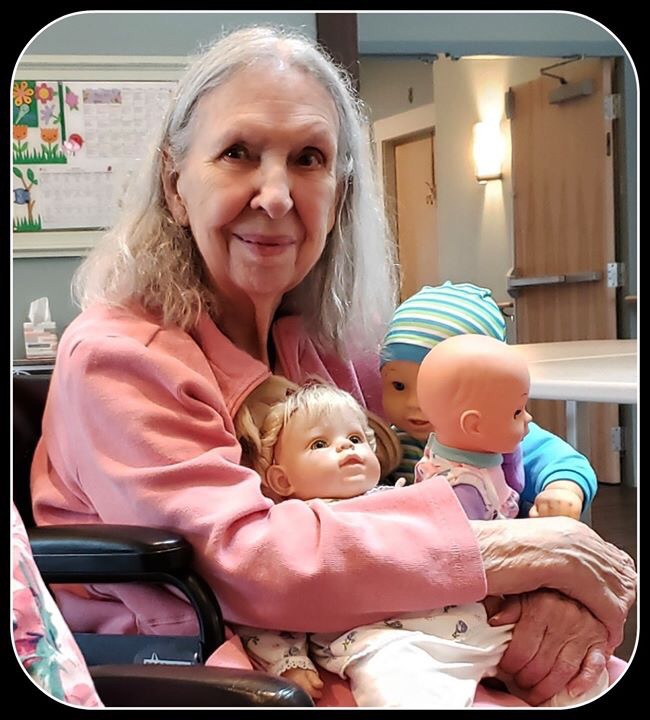
Mom was in a considerable amount of pain following the incident. Hospice recommended we start giving her some stronger medication to help manage the discomfort and quiet her anxiousness. A low dose of morphine was started, but wasn’t particularly effective; plus, mom seemed to have an allergic reaction. Once switched to hydromorphone, she was very sleepy, but pain was much better managed. Before long, Momma was back to tooling around in her wheelchair visiting with the other residents and “borrowing” seemingly abandoned baby-dolls and stuffed animals to care for in her room. That was the “upside” of administering narcotics.
The “downside” is that narcotic medications cause constipation. With an injured tailbone, constipation can become a formidable and painful foe.
Another “downside” is that the medication also makes her more confused – so much so that her speech comes out in an incoherent, rambling, jumble of meaningless words and random thoughts. This confused speech is a condition known in the world of dementia as aphasia and is often referred to as “word salad.” Usually a symptom first noticed in earlier stages of the disease, aphasia makes finding the right word very difficult. It grows progressively worse as the disease marches on, complicating oral and written communication, making interpreting someone else’s words in a conversation or reading a sign frustratingly difficult.
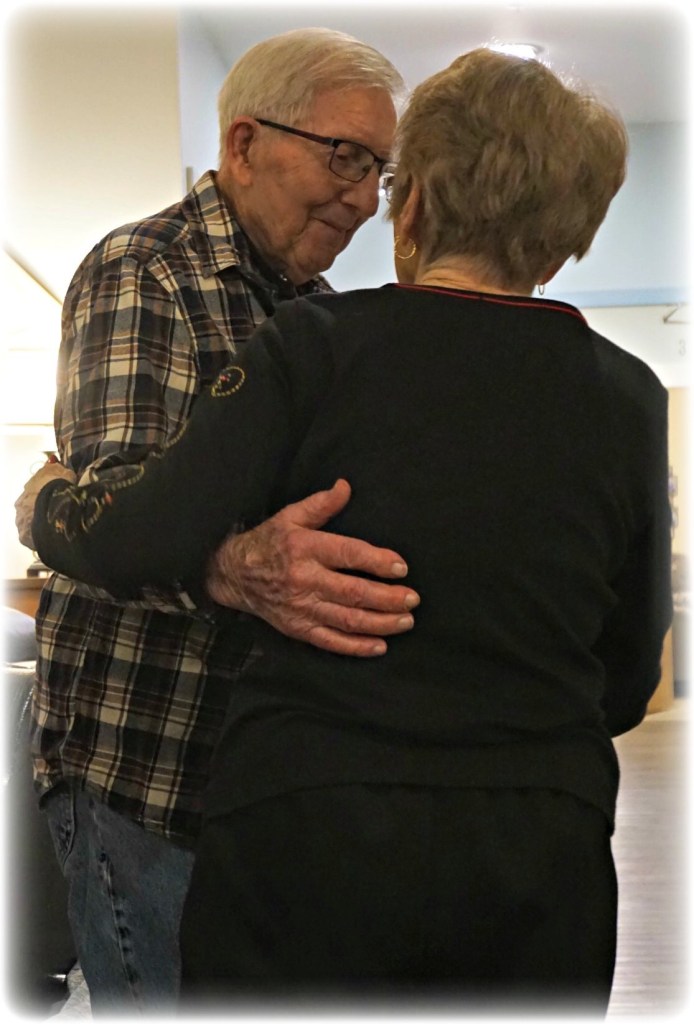
The most frustrating “downside” is non-stop chatter. Usually fairly quiet and non-conversational at the dinner table, the medication caused Momma to talk non-stop. She barely came up for air between one string of jumbled words and another. Mom’s usual table mates at lunch grew very weary of her nonsensical babbling, with one of them growing impatient enough to take a frustrated swipe at mom then slam her fist down on the table demanding, “Please! Someone just make her be quiet!” Thankfully, the impatient neighbor (not the one pictured below) missed in her effort to lash out at her too-gabby neighbor, and I was able to move mom out of arm’s reach and help her focus on eating her lunch.
It makes me happy that mom still enjoys eating and can (most days) accomplish it without help.
Narcotic medications were not necessary to bring on the word salad of aphasia, as it was already rearing its ugly head along with other symptoms which signaled the progression of Alzheimer’s. The medication just tossed the salad, so to speak. If you would like to learn more about aphasia (and 3 other A’s: amnesia, apraxia and agnosia), I highly recommend reading the article “The 4 A’s of Alzheimer’s Disease.
With Alzheimer’s, the filter on the tongue is missing. My sweet mother’s ability to reign in her emotions and frustrations is broken.
Sometimes I wrestle with whether or not I should write about something related to caring for a loved one with dementia. Some things just feel too private, too personal. In writing about an especially sensitive topic, I wonder if I will dishonor my mother in some way. I’ve wrestled earnestly with today’s topic for these reasons and more. However, as I speak with others who are caring for a loved one suffering from memory loss, many of them are dealing with the same thing. So, for the sake of those who need to know they’re not alone, here’s the topic:
Swearing.
As Mom’s battle with Alzheimer’s dementia intensifies, so does the bad language and harshness of the tongue. Those who help provide her care each day assure me she is still incredibly sweet – they love, love, LOVE her to pieces. They tell me that when her tongue gets sharp, she almost immediately apologizes and layers on the salve of kindness.
Before Alzheimer’s, Momma would never swear at someone. In a moment of frustration, she may think a curse word in response to a frustrating situation, but she would never say it out loud. She would quickly reign in her frustration and replace it with graciousness.
With Alzheimer’s, the filter on the tongue is missing. My sweet mother’s ability to reign in her emotions and frustrations is broken. With arms flailing, out come the curse words when her caregiver tries (sometimes in vain) to help her shower or get dressed. She’ll even blurt out curse words at me, the one who provides daily love and care for her.
It hurts my heart to hear her swear and say ugly, mean-spirited things.
Before Alzheimer’s Momma’s tongue held kind words, not critical and harsh ones. Her tongue reflected her actions and her love for her Savior; she was gracious and benevolent with both. She’d never blurt out what she thinks. She’d just smile and keep her thoughts to herself.
I know it’s the result of this disease. But, I also see very clearly that the curse of the sinful nature we are all born with is uncovered and revealed by this relentless and wicked disease. I know in my heart how much my mother loves Jesus. And I know how immersed she was in the Scriptures and what a prayer warrior she was before this disease stripped her mind of the ability to recall the things she has learned.
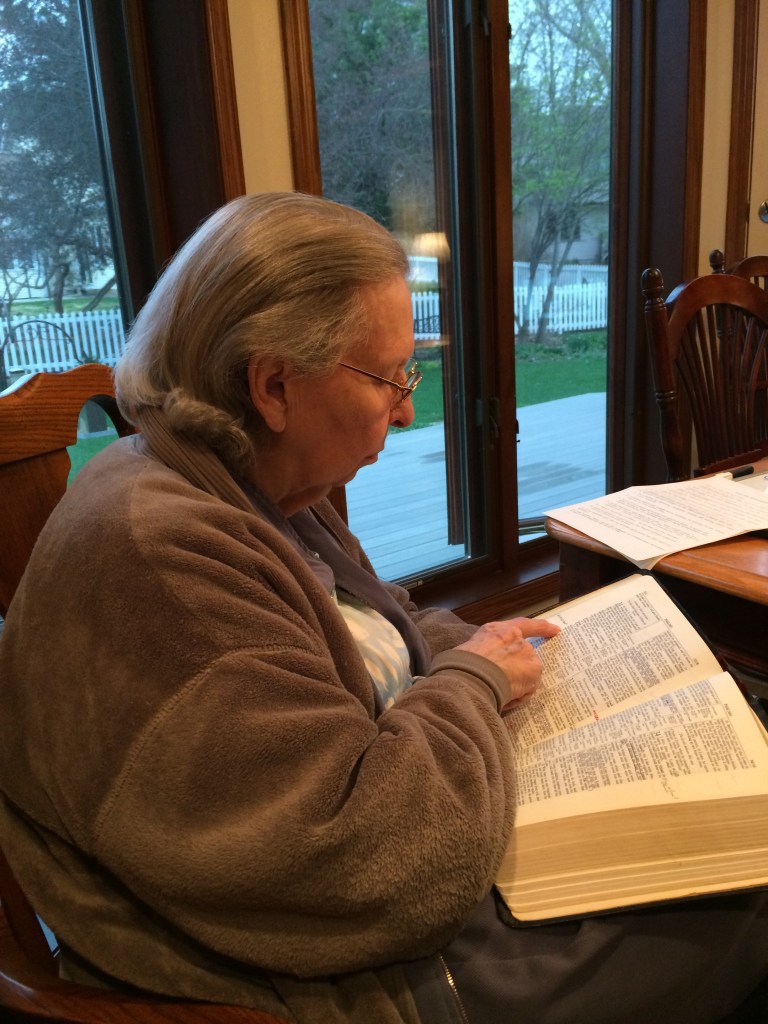
I always hoped that she would defy the odds of this disease and never forget the Scriptures she has learned. But now, it seems, she cannot understand what she is reading and tells me that the Bible I keep on her nightstand isn’t hers, even though it is filled with her own handwritten notes, prayers and thoughts.
I always hoped that music and the great hymns of the faith would be a help and stronghold for her in her later years. But she is usually quite ambivalent to it – although her poor hearing might play a role in that.
I always hoped she wouldn’t forget that she is a child of the King. On this last unfulfilled hope – she has forgotten, but God has not. She is His child and He knows it. He remembers her and will never forget – never forsake.
Someday, when all is made new, music will be restored and she will sing a new song in heaven. Best of all, she will meet the One she read about in Scriptures and has trusted by faith – Jesus – the living Word.


















 Barefoot Lily Lady