I have three reasons why I would make this excellent article required reading for anyone even remotely involved in dementia care:
My mother had Alzheimer’s. I wish I would have been able to read this while I was caring for my mother with Alzheimer’s.
My mom lived in assisted living memory care for the last year of her life. She received fantastic care, but this would have been very helpful training for her caregivers.
My brother has vascular dementia and currently lives in a skilled nursing facility (a nursing home). I wish that everyone who works there would read this–it would be so helpful.
It’s January 17, 2024 and today would have been my sweet Momma’s 90th birthday. It’s nearly midnight and sleep has not yet come to my weary eyes, so I decided I would not let this day pass without taking a moment to acknowledge the great blessing God gave me in this lovely woman.
The last birthday I celebrated with her was her 86th. Mom didn’t participate much in the celebration. There was a delicious cake, a bouquet of flowers, a few gifts to unwrap, and cute birthday balloons. But Alzheimer’s had already taken away her ability to understand what the joyous fuss was about. She enjoyed eating the cake I made her, so that blessed my heart.
While I cannot bake her another cake today, I can stop and thank God for blessing this world with Charlotte Louise Peet Boyles–the woman I would call Momma.
“Charm is deceitful and beauty is passing, but a woman who fears the Lord, she shall be praised. Give her of the fruit of her hands, and let her own works praise her in the gates.”
Time to revisit my little series of A-Z Caregiving Tips. The photo below is the article which inspired me to make my own A-to-Z list. Let me pick up where I left off and invite you to join me this week for R and S.
Repeat gently, looking toward me if I miss hearing something.
One thing we caregivers do a lot is repeat ourselves. When our loved ones have trouble understanding what we say, it’s important to repeat things. It’s also important to communicate in a way that includes facial expressions, which provide important information for our loved ones. Because my mom was also very hard of hearing, she relied even more heavily on my facial expressions.
The person who has dementia needs you to sit down on their level, look them in the eyes with all gentleness as you speak. I say “gentleness” because it is very easy to have a look of annoyance or irritation when you feel like you’re repeating something for the umpteenth time. Caregivers must be aware that the non-verbal messages we communicate with our body language and facial expressions speak louder than the actual words we speak.
Facial expressions can be difficult for people with hearing problems to understand when we’re moving. Think about how often we call out to someone in another room during the day. Or when we talk to someone in passing as we’re busy with other things. If you’d like more information on this topic, click here for another great resource.
(With all respect to the original author of this list, I didn’t quite see how standing up for the environment relates to caregiving, so let me proffer my own version of the letter S.)
Step back and take a break.
Being a caregiver can be very stressful. I often felt overwhelmed while taking care of my mom. During those moments, I had to take a step back and take a break from all the pressure. For me, that meant leaving my mom with my husband for an hour or two so I could go to the gym. Sometimes he called me back home, but most of the time, I was able to enjoy some time for myself and relax.
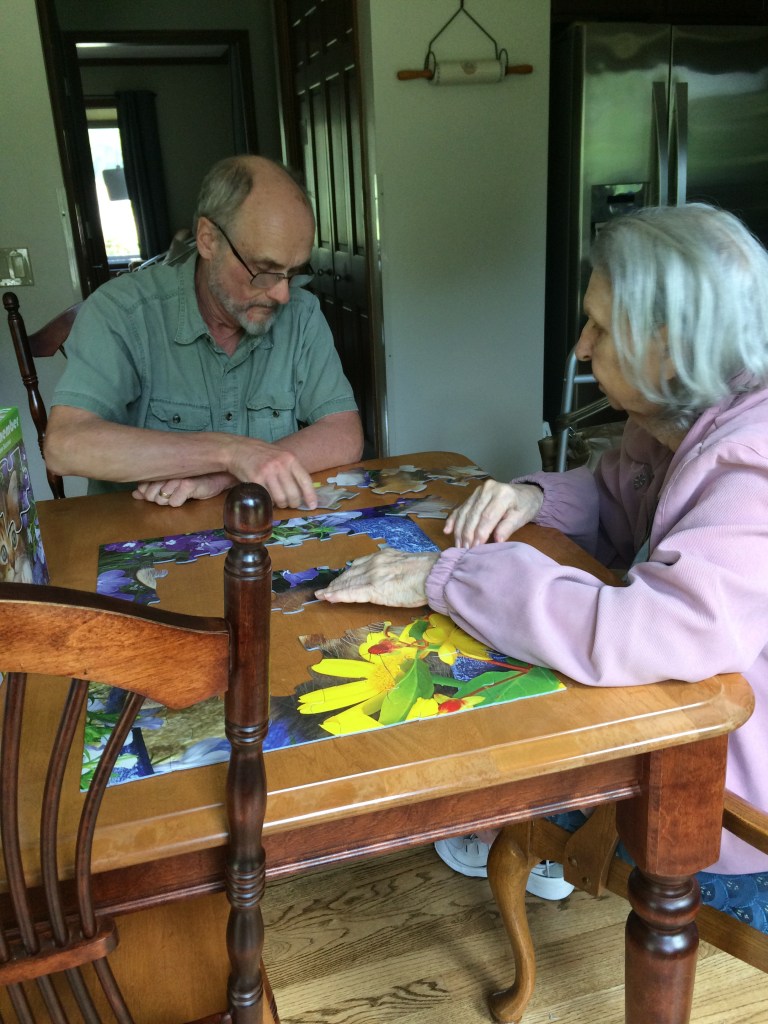
My husband working a puzzle with mom.
It bothers me when I hear caregivers lament that they have no one to help them. I know that it is too often the case; but more often than not, the reality of the situation is that they (we) are afraid to ask for help–or reticent to accept help when it is offered.
I believed I was the best person to take care of my mom, but I also realized that I wasn’t the only one who could do it. It was important for my well-being to take a little break sometimes. I would reach out to our church’s private Facebook page and ask for someone to spend time with my mom for a few hours so I could do something else. Most of the time, someone was willing to help.
There were times when a friend would say something like, “Hey, my daughter and I would like to stop by on Monday to color with your mom. What time would be good for you?”
I learned two important lessons: Ask for help, and never refuse an offer of help.
A sweet friend and aspiring blogger once asked me to guest write on her fledgling blog. I was happy to do so, as I was trying to get my own blogging endeavor off the ground and thought exposure to someone else’s audience might be helpful. As we all know, life doesn’t always follow our plans. God had other plans. My friend’s life filled up with the other good things God had planned for her life, and the blogging endeavor went by the wayside.
I almost deleted the article I wrote as a guest, because it remained unpublished in my draft folder for years. Before hitting “delete,” I re-read it and decided to hit “publish” before another year passes. It is my hope that this post will encourage another caregiver. I hope they find that no matter where life leads us, with God’s assistance, we can live by God’s grace and for His glory.
If you are a caregiver for a loved one with dementia (or some other form of life-altering illness), there may come a day when you realize you need to consider other options for providing the best care. Perhaps the post that follows will be helpful as you wrestle with that important decision.
I walked alongside my mother in the part of her life where Alzheimer’s dementia was her daily companion. I’m grateful for that time spent with her and learned so much as we traveled those years together.
She’s been enjoying heaven for three years now —freed from the bondage of failing mind and body. In these three years, I’m gradually learning to enjoy the freedom to spend moments (more like hours) of joy playing in the dirt in my garden.
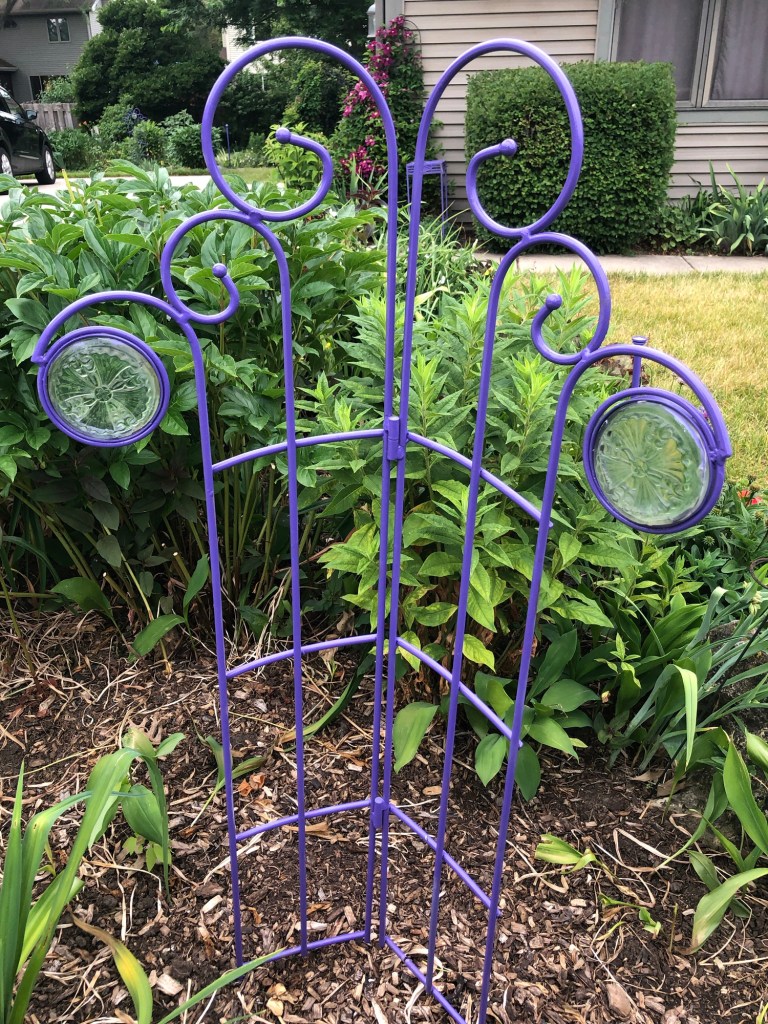
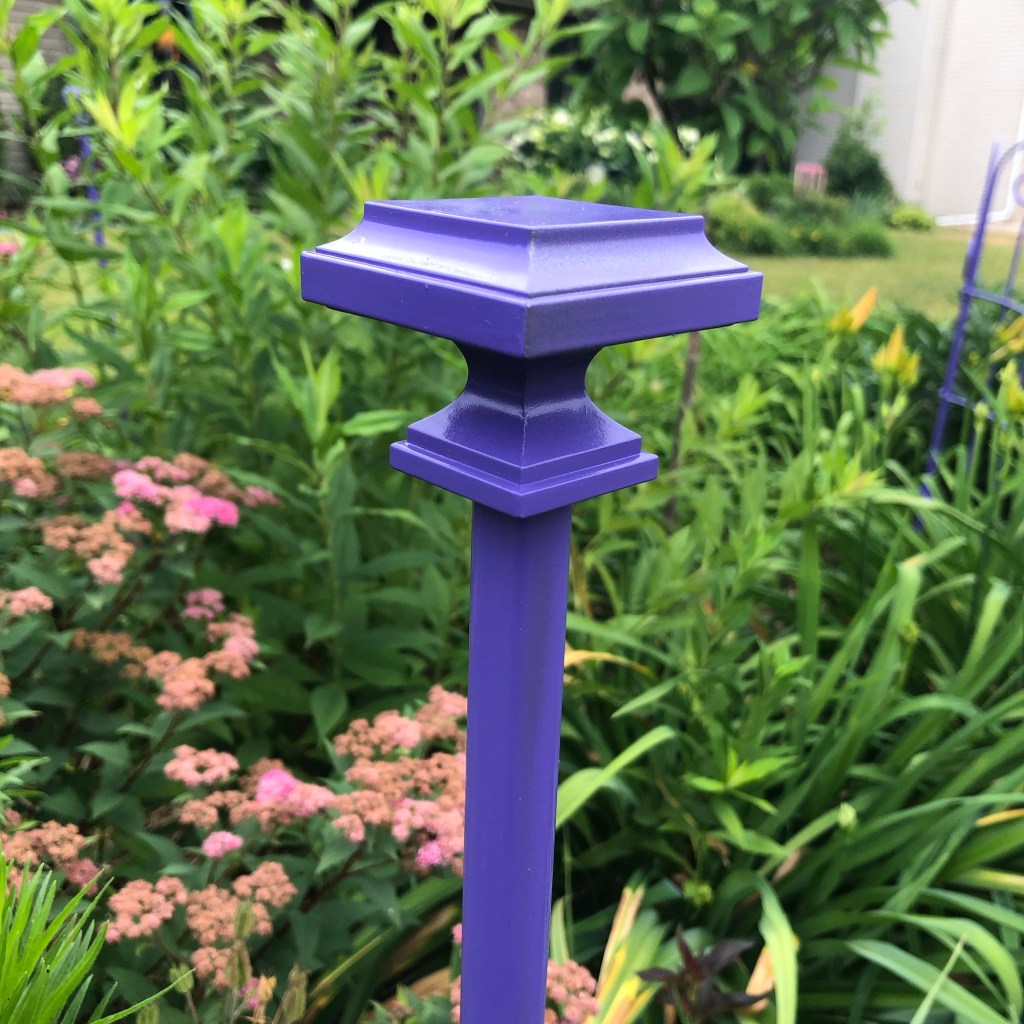
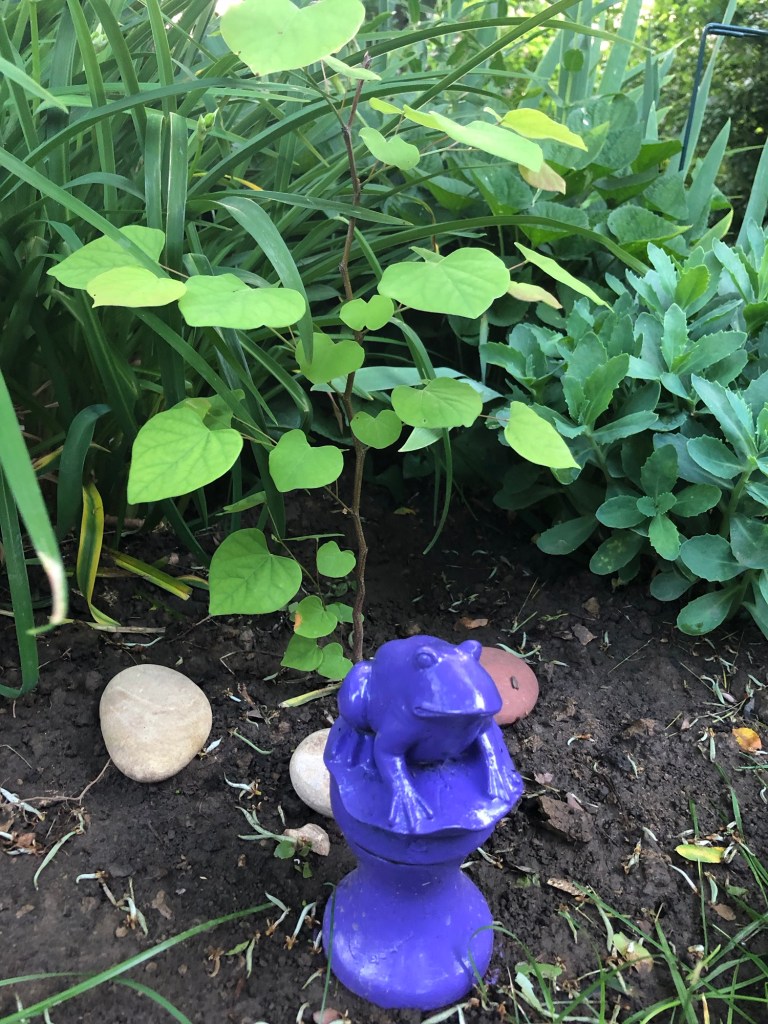
If you were to visit my garden (and I hope you will), you might notice little splashes of purple objects d’art sprinkled throughout the flowerbeds. Second-hand curtain and drapery rods, trellises, and various chairs have all taken on a coat or two of purple spray paint.
Why purple? It’s both in memory of my mother (who loved that color), and also my quiet nod to Alzheimer’s awareness.
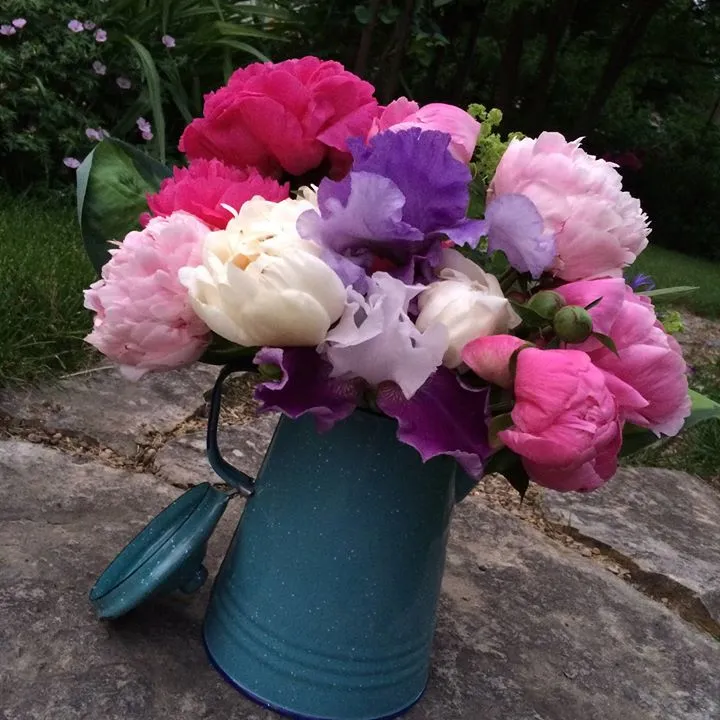
I’m joining Cathy at Words and Herbs for her annual ‘A Week of Flowers’ meme. It’s Day #2 and I’m happy to take you on a little reminisce of some pretty spring and early summer days in my garden. Let me introduce you to a few of my favorite peonies.
Rewind of a Facebook Note written sometime in 2015
I made Momma cry today.
Somewhere near the intersection of my trying to be helpful and Momma’s trying to remember, she snapped at me, shooed me away with the wave of her hand, blurting, “Get out of here! Leave me alone! Let me just try to think about one thing at a time!”
With more hurt and frustration in my voice than I intended, I retorted, “Alright Momma, I’ll leave you alone!” Retreating to the solitude of my former bedroom, I felt the door slam behind me, hot tears stinging my eyes, ready to gush at a moment’s notice. I really wanted to throw myself on my bed, bury my face in my pillow, scream and bawl, then drift off to sleep, leaving the nightmare of Mom’s advancing memory loss behind.
Mom in her favorite chair–surrounded by great-grandkid love (circa 2012)
Instead, I stood there in the middle of the room and cried out to God. I was only in prayer for a minute or two, maybe even only a few seconds of time. But in that small measure of time, I felt God’s presence. He was speaking to me. Not in an audible voice, but in that place in the very core of your being where all of life’s decisions are made and emotions are felt. That place where you love. The heart.
God was reminding me He was there and that we would get through this together.
Gingerly opening my bedroom door and peeking down the hall, I spied my sweet Momma at the other end of the hall. She was right where I left her minutes ago, sitting in her favorite chair in the living room, quietly dabbing away her tears of confusion with great big wads of tissue.
Humbled in heart and quieted by the Spirit, I went to Momma, knelt in front of her, then wrapped her in my arms and said, “I’m so sorry, Momma.” My sweet mom put her arms around my neck in a motherly hug and laid her tearful, trying-to-remember weary head on my shoulder.
“Momma, Jesus will help us through this.”
“I know. I know,” acknowledged Momma with gentle, reassuring pats on my back.
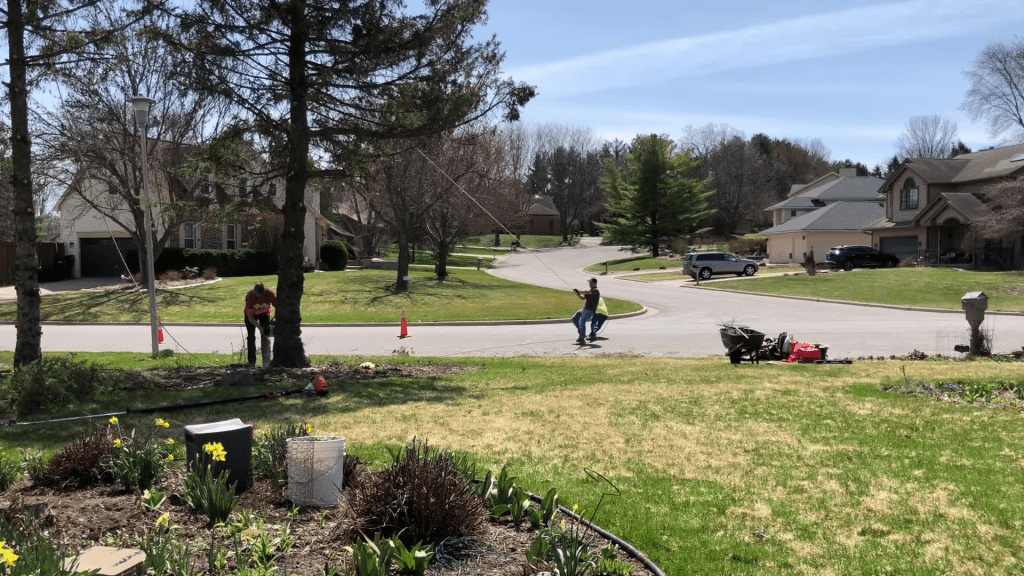
One major item that has been near the top of my list for several years now has been to cut down two diseased and unsightly spruce trees in our front yard. I was out pulling weeds one day earlier this summer and noticed there were tree trimmers working in the neighborhood, so mentioned it to my hubby. He surprised me by immediately walking down the street and engaging in conversation with a young man on the crew–the son of the owner of the company. A few minutes later, they came for a look-see and before I knew it we had a contract and the trees were felled by the end of the day.
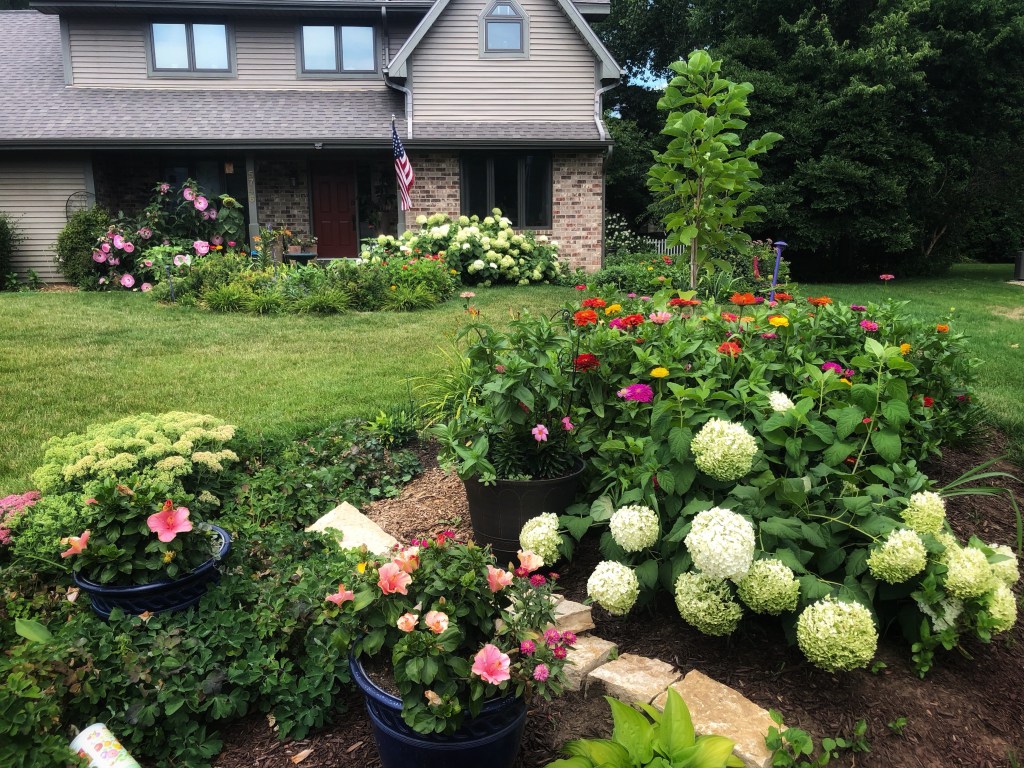
Now that the spruces are down, we have a brand new full-sun garden space, and I am enjoying choosing what to plant in that space. First order of business, however, was to deal with the weeds that had gotten a foothold underneath the spruces. We also needed to relocate some of the shade-loving hostas to a more wooded location in the backyard. For the most part, I’m able to divide some of my existing sun-lovers from other flowerbeds, so I moved in a few daylilies and a trio of Allium ‘Millenium,’ an ornamental flowering onion that literally blooms all summer long.
Even with this good start, this new flowerbed was the perfect excuse for a trip to our local garden center. I knew I wanted to add a flowering tree, so Monrovia’s Magnolia ‘Elizabeth’ now graces that flowerbed. I look forward to its giant, tulip-shaped, creamy yellow blossoms in the next year or two. I’m also quite in love with hydrangeas these days, so two of them hopped in my shopping cart and now anchor the front side of this flowerbed (I really wish I had bought a third).
Adding a stone borderA happy group of blue ColumbineMagnolia ‘Elizabeth’
Inspired by Butch and Pam over at Everyday Living, whose annual plethora of gorgeous zinnia photos caused great envy, I planted more than my usual packet or two of zinnia seeds this year. My husband bought a big canister of Renee’s Garden heirloom zinnia seeds for me while we were on vacation in June. I lost no time in scattering the seed when we returned home. Wowzers! They did not disappoint. Look at all that amazing color!
A rainbow of colorDwarf ‘Limelight’ HydrangeaMomma’s blue flowerpots
If you’ve read my blog for any length of time, you know that my sweet mother passed away in 2020 after a valiant battle with Alzheimer’s. You might spot two of her blue flowerpots in the photo above. Those flowerpots sat on the front porch of our family home for several years. When dementia took its toll, I moved her to live closer to me, bringing those blue flowerpots along as a connection point to her past. Oh, the stories she told about those pots! I planted some annual ‘Hawaiian Punch’ hibiscus in them this year and set them toward the front half of the new flowerbed. I think mom would have approved.
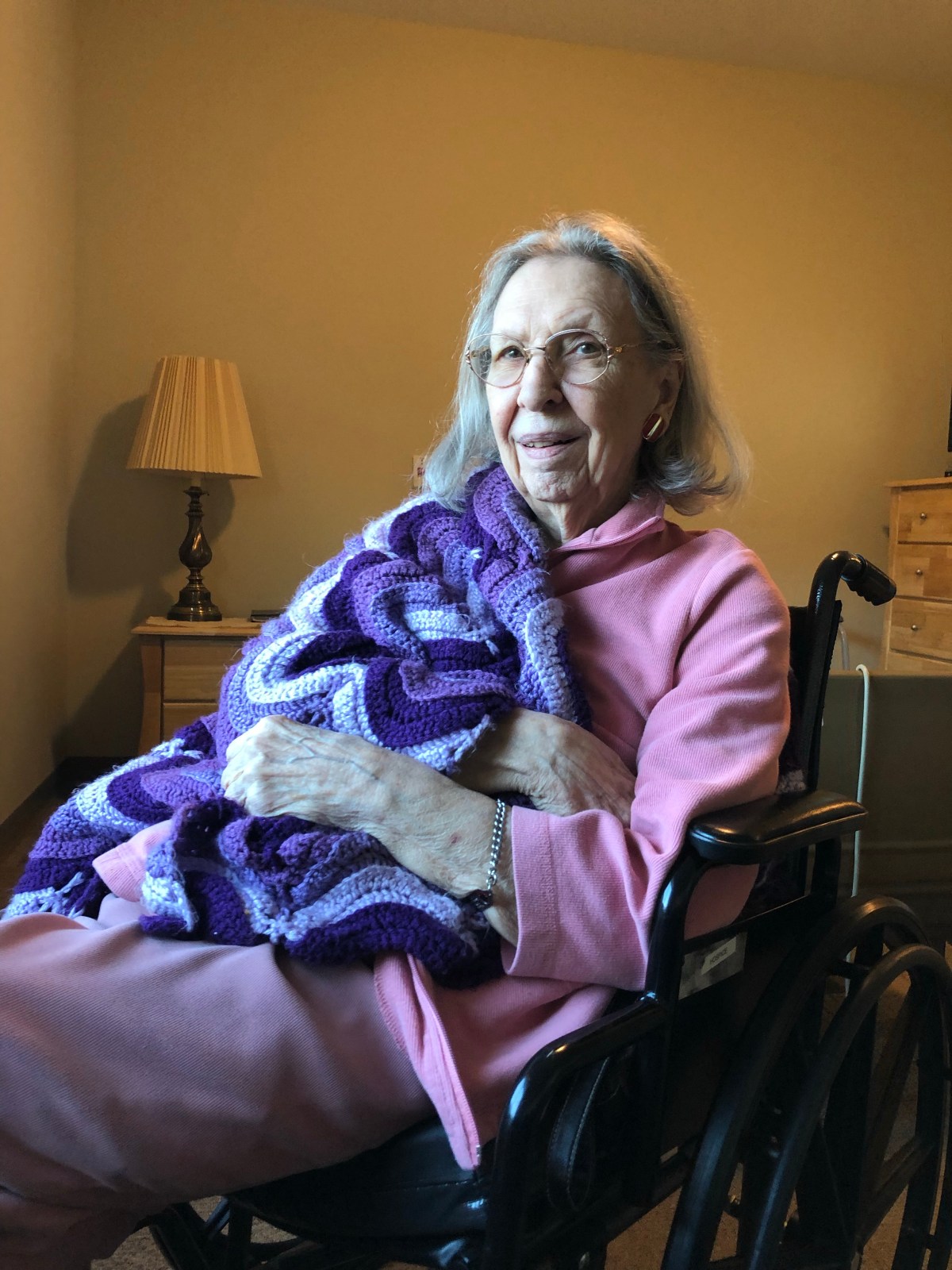
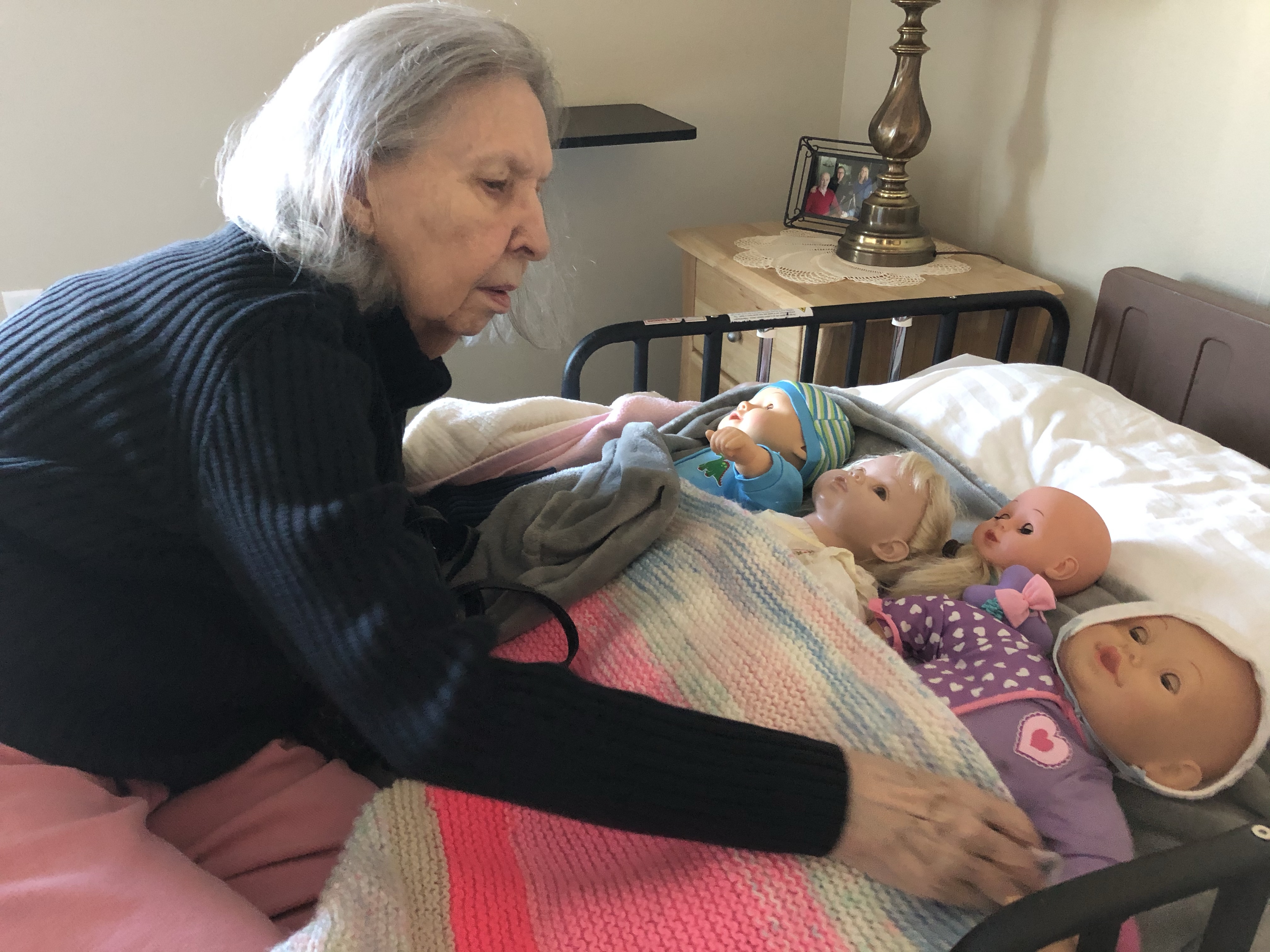
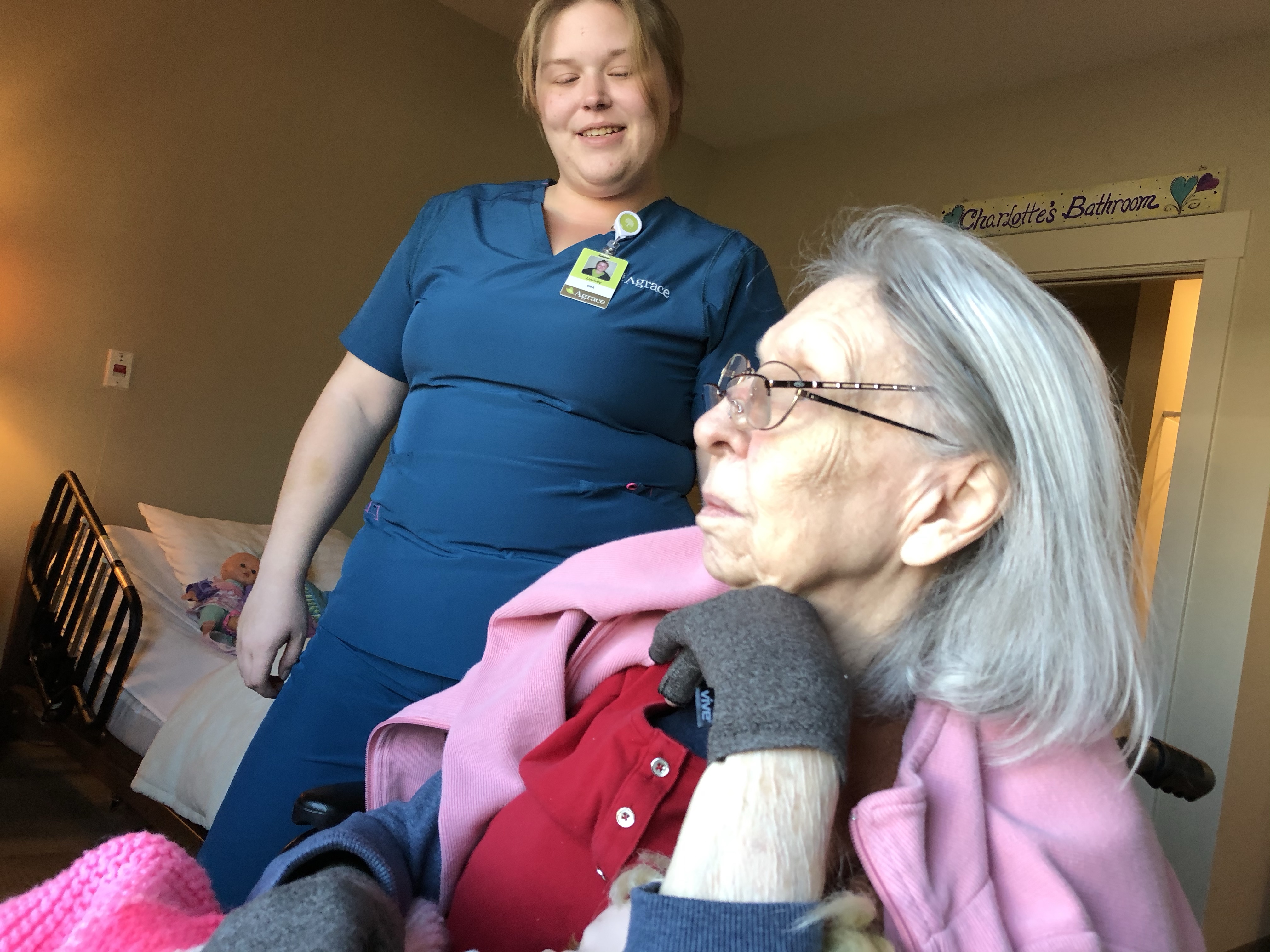
If you ever had the pleasure of knowing my mom, you would probably describe her as one of the kindest and most caring people you have ever met. Her sweetness was a predominant character quality, even as Alzheimer’s claimed more of her memories and abilities. I’ve written about her loving care for doll babies, and about how the nurse came out in her so often in her last year of life in assisted living memory care. Here are a few photos of her sweet self.
Sometimes, however, momma wasn’t so sweet. She’d take a swing at my head when I was kneeling in front of her trying to help her tie her shoes. She once threw a frozen dinner at my brother when he was sick in bed and started screaming at him. We theorize that she was just so very frustrated that she couldn’t remember how to work a microwave anymore–she wanted to help him, but didn’t know how. In assisted living memory care, a mean streak would occasionally surface when someone was assisting her with a shower. Mom wasn’t one to use profanity, but would very occasionally let angry words fly when someone was just trying to help her.
It wasn’t mom. It was what Alzheimer’s was doing as it ravaged her brain.
It can be very stressful for the caregiver when someone they love suddenly becomes combative and aggressive. Sometimes there are physical reasons why a loved one is lashing out – like pain, or a urinary tract infection, or frustrations over not being able to physically do something (like tie her own shoes, or stand without assistance).
Timing
For my momma, it was sometimes the timing of what she was being requested to do. We learned very early on that it was futile to awaken her for a meal or a shower—that was just begging for angry outbursts and uncontrollable tears. Sometimes she’d refuse food at mealtimes. We learned it was best to just let her be—she would often forget she was mad and be sweet as pie when you reintroduced the same plate of food a few minutes later.
Speaking of pie, we also learned that if we would “lead with sweet” by serving mom’s dessert at the beginning of her meal, she’d eat her dessert and then just keep going. It also helped to let mom bring Dolly with her to meals. Dolly didn’t eat much, but sometimes needed her face washed after meals.
Fear
Sadly, my mom oftentimes became very agitated and fearful at the prospect of taking a shower. This is VERY common. I first noticed it in the moderate stage of dementia. If a shower was suggested, she’d have every reason in the world not to do it now. She generally used stall tactics, like, “Later.” Or, “I already showered before you got here.” As the disease progressed, there would be no question about it—mom would NEED a shower. One of the wisest things I ever did as a caregiver was to hire help for bathing. I was extremely thankful for the aides who came to assist with this need. Their training prepared them for the ups and downs of performing the necessary hygiene tasks, and each aide had tricks up her sleeve as to how to help alleviate mom’s fear and anxiety.
There were times when even the aides were unsuccessful. Sometimes the best we could do was give mom a bed-bath or a quick wipe-down. I found it really convenient and helpful to use these disposable washcloths–they could be warmed in the microwave, which mom found very soothing.
My heart goes out to you caregivers who are dealing with combative and aggressive behavior with your loved one. Every situation is different, but I hope my experience with mom will help someone else get through this. If you’d like more information, you might want to check out this informative and helpful article, “Dealing with Aggressive Behavior”.

















 Barefoot Lily Lady