Rewind: Swimming Faces

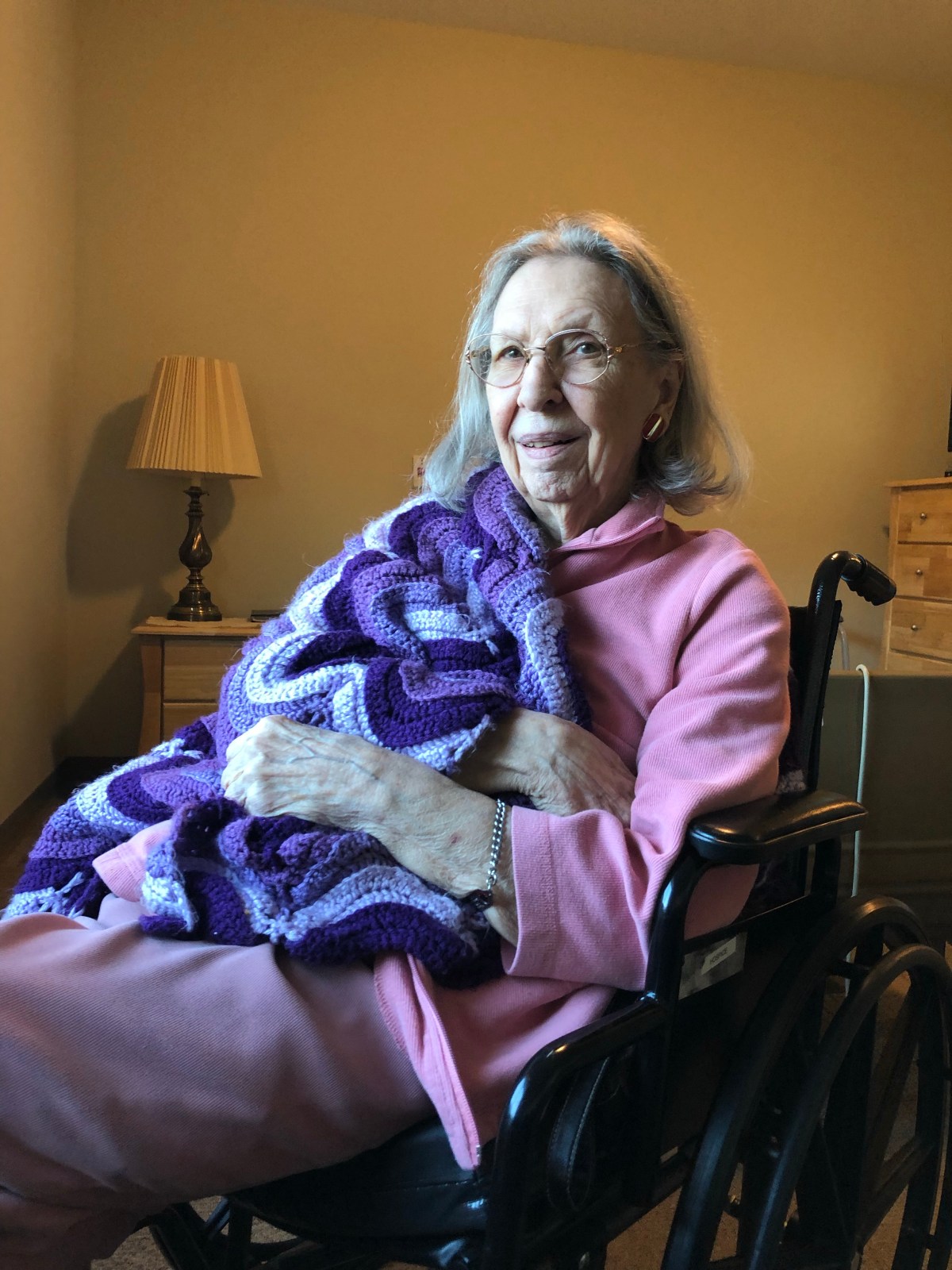
Another post in my “Rewind” series. This post originally appeared on October 23, 2016 as a Facebook note in my pre-blogging days. As I journeyed alongside mom with her diagnosis of Alzheimer’s, I learned through her experience many things about the affect this disease had on her world. As my mother’s caregiver, I have leaned heavily on the experiences of those who have traveled this road ahead of me. In sharing my experience, it is my hope and prayer that someone else will be helped and encouraged.

Even though Momma lives in a little one-bedroom apartment, many days she has a hard time remembering where her bedroom is located. A few minutes ago, I overheard her talking to herself saying, “Now, where is my bed?” Groaning with each step taken toward bed, I could hear my sweet mother then exclaim as she entered her room, “Oh, there you are! I can never remember where you are.”

I’ve been staying overnight at Mom’s house since September 11th. That was the night when mom had a severe separation from reality, scary hallucinations, and I had the realization that it was no longer safe or wise to leave her in her apartment alone. Sadly, she was so afraid to stay in her room. Every time I would get comfy and start drifting off to sleep on her couch, she’d come in the living room, flip on the light, then stand in front of the couch asking me if I was awake. I would get up, gently guide her back to the bedroom, do the room search (looking for the intruders she was so sure were there) and I would try to reassure her that everything was okay.

I noticed that even during naps taken during daylight, mom wouldn’t sleep under her quilt. I would often find it pushed to the corner of the bed or on the floor. On the third night of no sleep, Mom told me that there were “faces swimming” on her bedspread. She was clearly disturbed by its presence. So, I replaced the bedspread with an extra blanket and mom finally settled down enough to sleep for a few hours.
The next day, a very kind friend from church came to sit with mom so I could take my brother to a medical appointment. When I returned later that day, I related the story about the bedspread to her. She took one look at it and said, “Of course there are faces! Look here! See the eyes?” In all the years that the paisley bedspread had been covering my parents’ bed, I had never noticed that.

As I thought about my sweet friend’s observation, I recalled reading in several articles related to caring for individuals with Alzheimer’s that busy fabrics give some patients great anxiety and that it is helpful to use solid colors in clothing and decor choices. Even busy wallpaper patterns can take on frightening proportions that terrify the confused mind. With that information in mind, that very day, I stopped at my local Target and purchased a plain, simple white bedspread for her.

No more swimming faces – and every so often, I catch a heartwarming glimpse of mom gently fingering her new bedspread, running her hands across the soft fabric as she drifts off to a much more peaceful sleep.

First posted as a Facebook “Note” on SUNDAY, OCTOBER 23, 2016

15 Little Things I Love

Dirty feet – because it means I have been in my garden

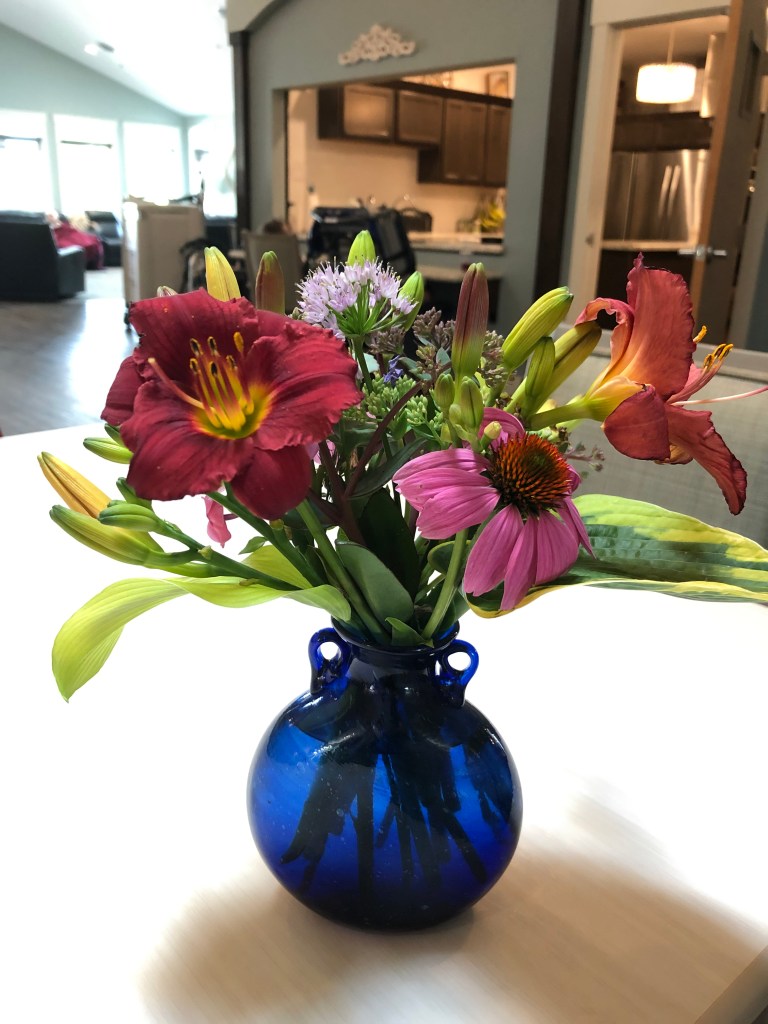
Daylilies – each blossom a unique work of art

The faithful love of a husband – a big thing, really

Hugs from a grandchild – there is nothing quite like a child’s embrace

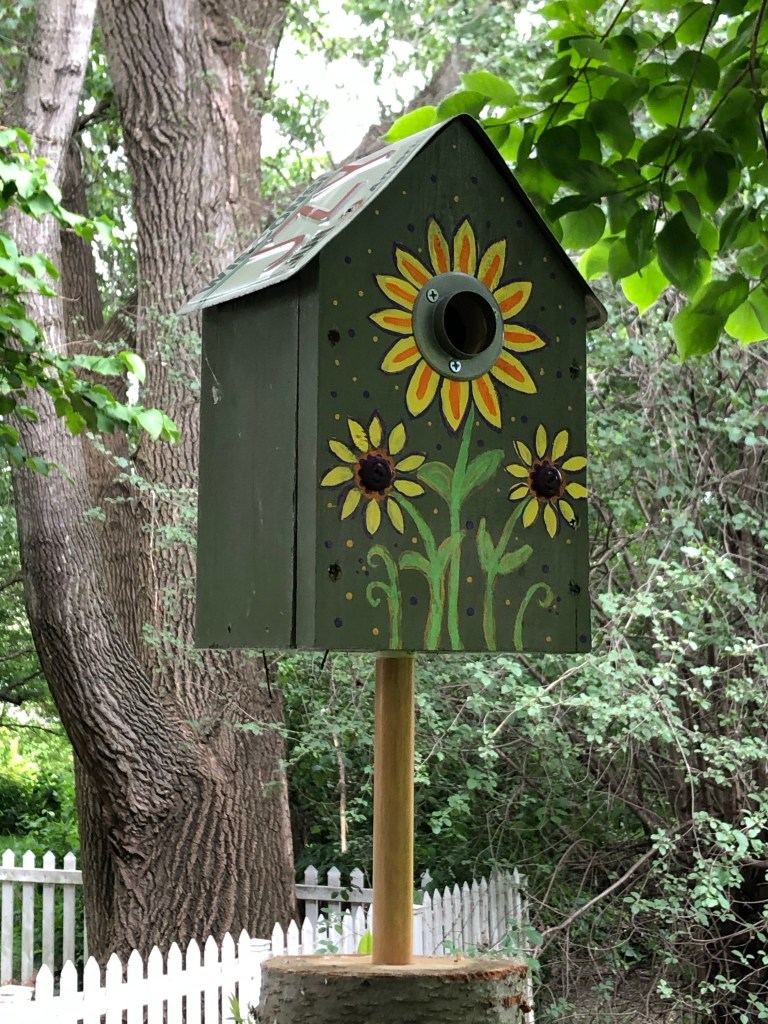
Birdhouses – caring for God’s creation and a blessed time of crafting with my grandkids

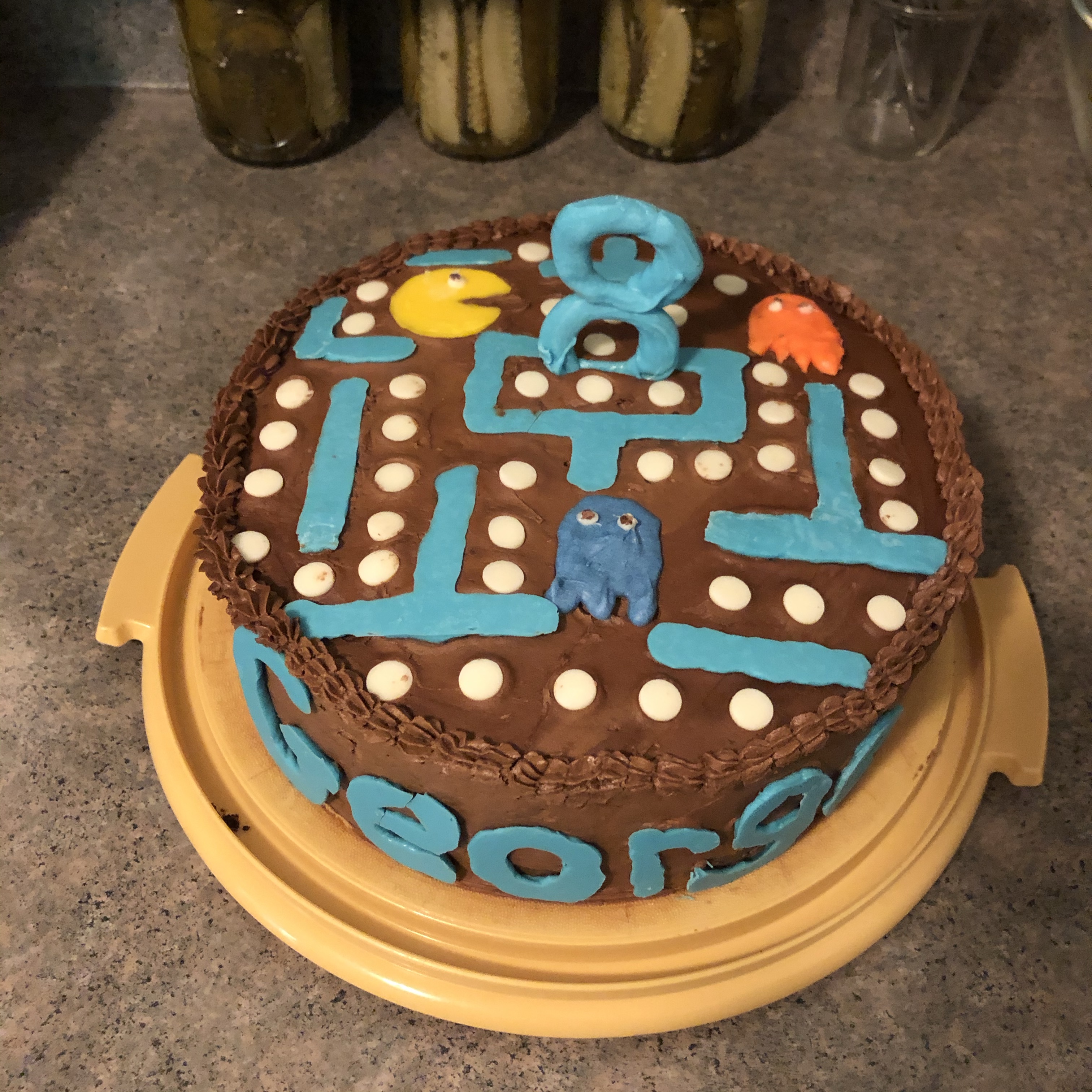
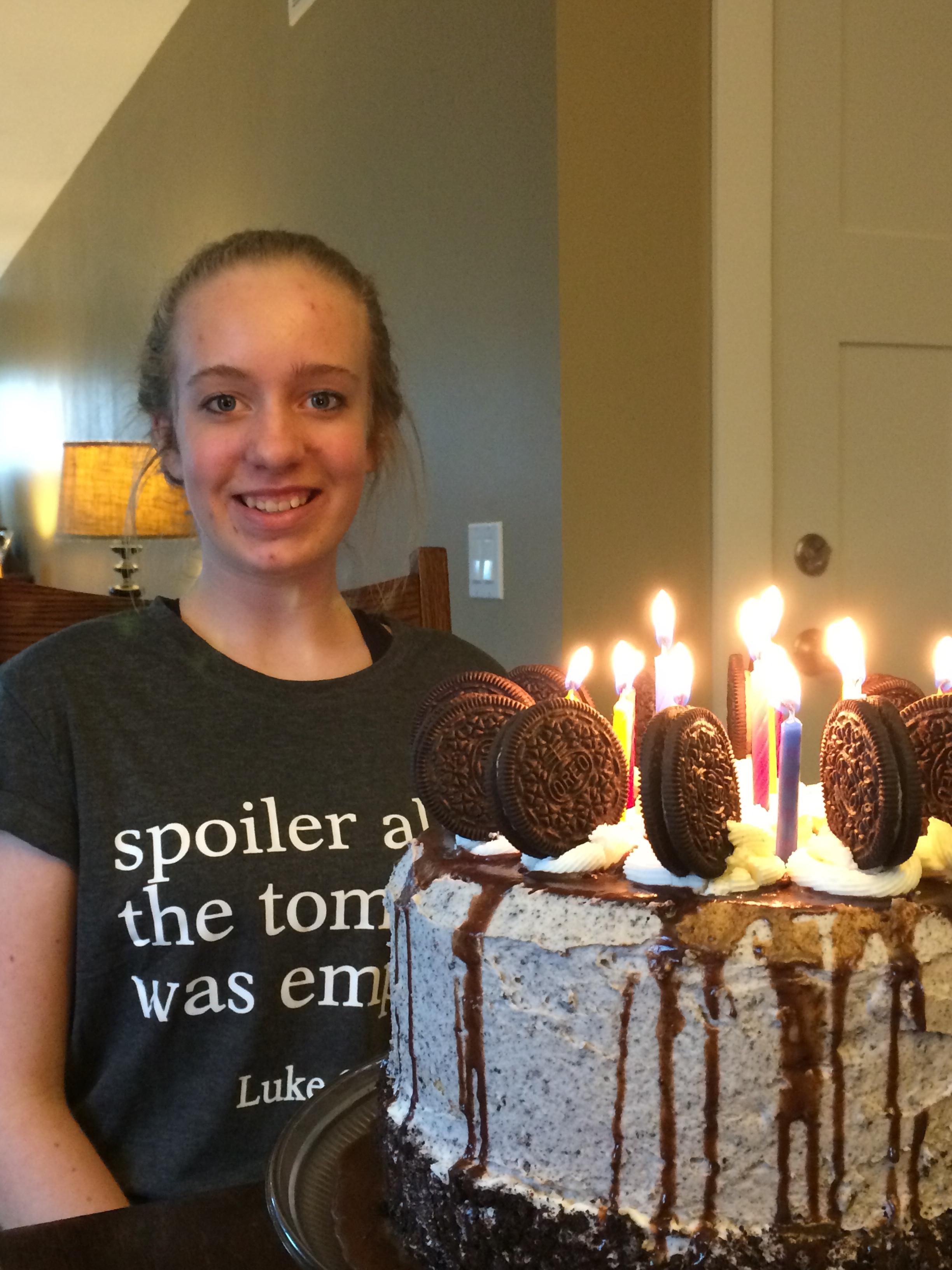
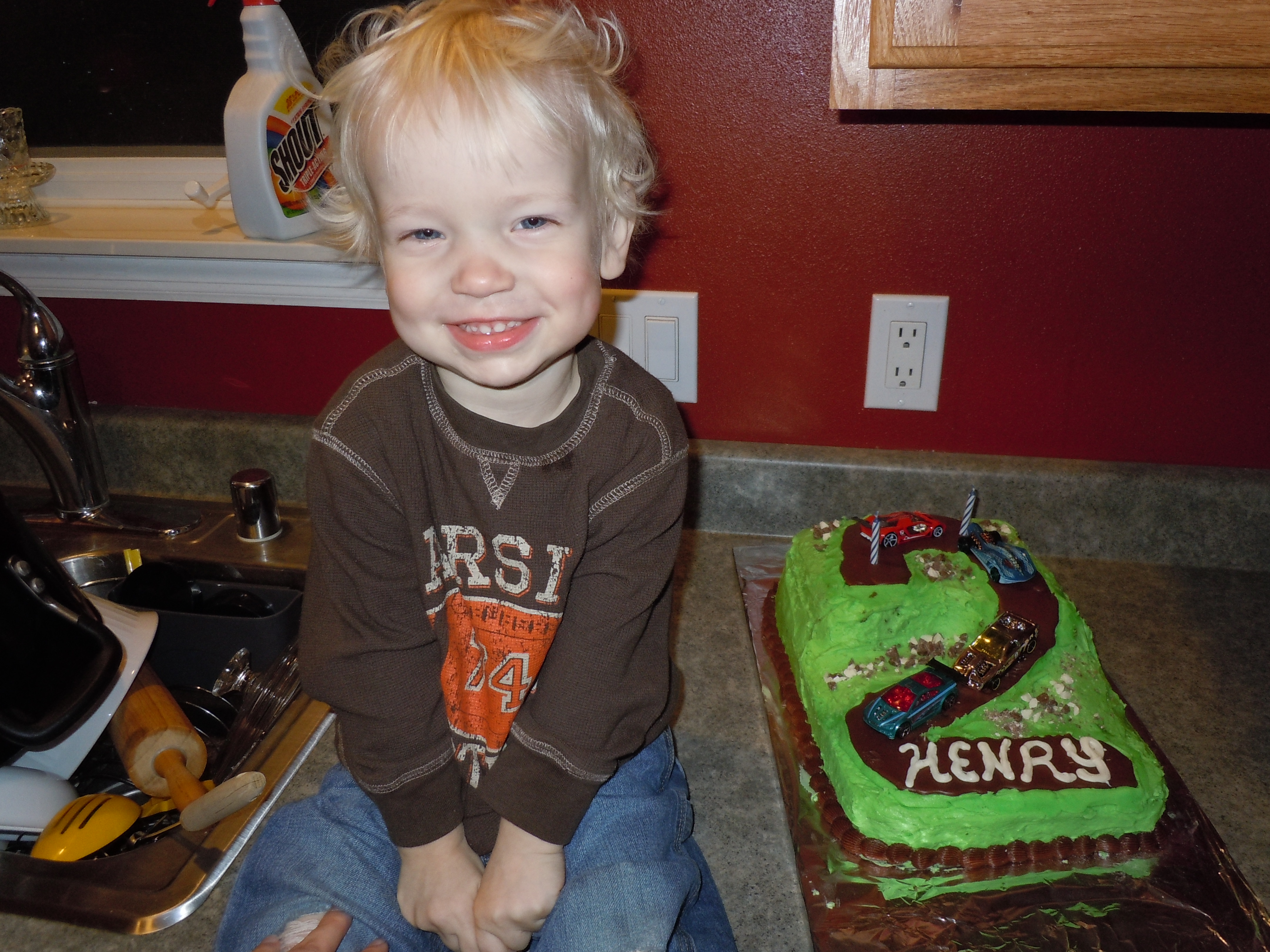
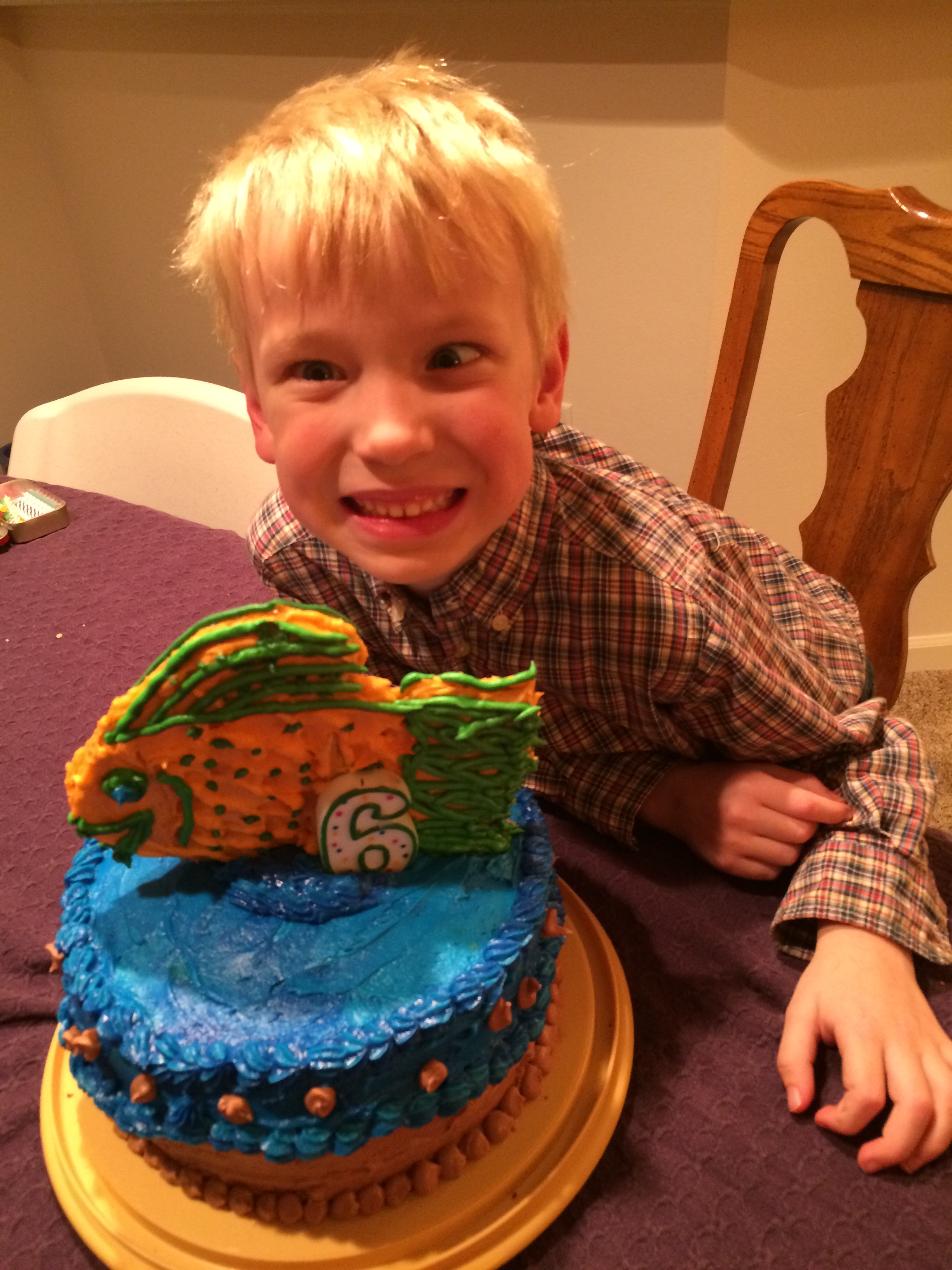
Birthday Cakes – a sweet celebration of another year of life and growth

My Bible – for the life change that happens with time spent within its pages

Rain – for watering the earth and for leaving glittering jewels in the garden

Zinnias – God’s colorful stage for the flutter of butterfly dances

Green – for the way its various shades and hues frame all of the other colors of God’s creation.

Hydrangeas – for the serene beauty they bring to my garden

Peanut butter silk pie (from Perkins) – a whole day’s worth of calories rolled into once slice of my favorite date night dessert.

Colored pencils – because they remind me of my mother

My painted garden chairs – because they make me think about the love of the artistic grandgirls who painted them

Old photos – for the stories they tell

Palliative Care Praises

My friend and I talked recently about palliative care and how it differed from hospice care. I recalled writing a little blog post about this subject, so decided to reblog it today. I hope that it helps my friend and anyone else who is approaching this stage in the care of their loved one. I praise God for leading me to Agrace and for the wonderful palliative and (later) hospice care my dear mom received.

barefootlilylady's avatarBarefoot Lily Lady

As this mid-stage of Alzheimer’s drags on, Mom is sleeping quite a bit more, not only at night (which I appreciate), but during the day as well – sometimes skippinga meal in lieu of sleep. Unfortunately, her nighttime sleep doesn’t appear to be very restful, as she gets in and out of bed various times throughout the night – sometimes to use the restroom, other times to explore the contents of her purse or her dresser drawer, or watch the real or imaginary happenings going on inside our house or outside of her window.

We have also noticed she has been less content during her awake hours and is more easily agitated. She paces back and forth between her bed and her chair at the kitchen table, never quite settled in either place; never quite sure if she’s going to bed or getting up.

Long ago, when my mother was…

View original post 445 more words

Dementia-friendly Activities

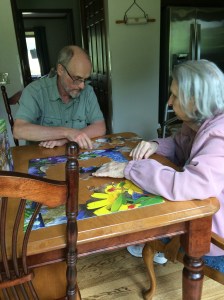
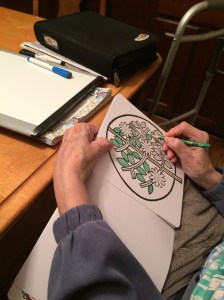
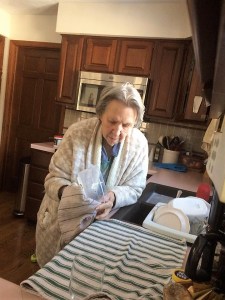
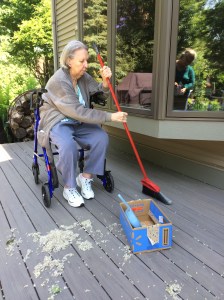
Helping a loved one with dementia feel content is sometimes a difficult task. I’m by no means an expert on the subject, but thought I’d share a few photos depicting several ideas that we tried.

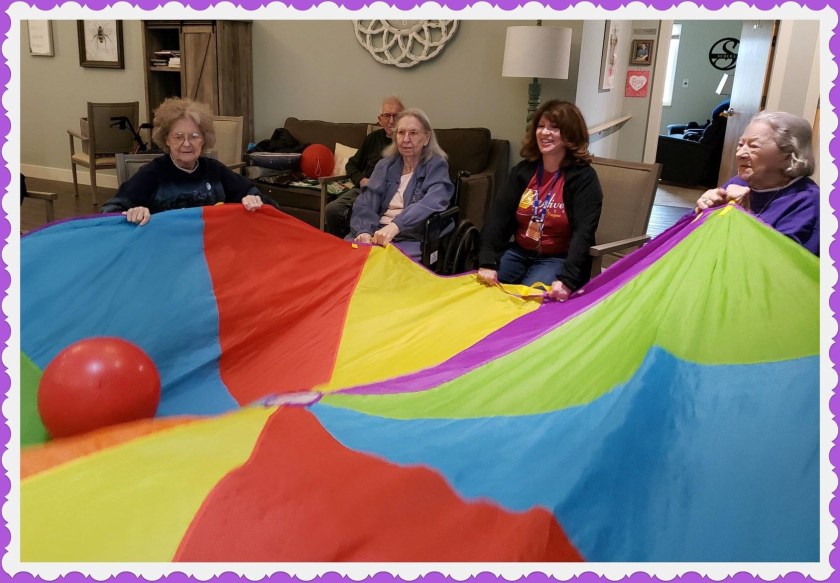
There came a time when caring for my sweet momma in our home was no longer best – for her or for me. God knew what we both needed and provided a wonderful place for her to live a 10-minute drive from our home. Momma lived the last year of her life here on earth as a resident at BeeHive Homes of Oregon – an amazing assisted living memory care community. The amazing staff did so much to help her be as content and happy as possible. Let me share just a few photos of those wonderful activities and opportunities she was privileged to take part in.

Group Activities to Encourage Movement

Momma loved her snacks! BeeHive always had something she loved.

Though her deafness was sometimes a barrier to fully enjoying the music, Momma and the other residents had many rich opportunities to hear and participate in a variety of musical forms.

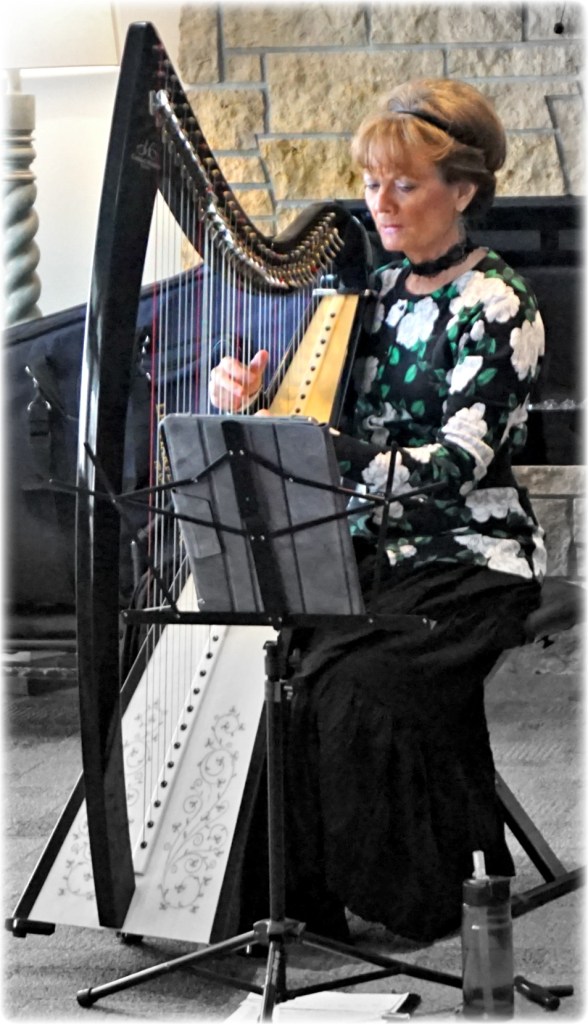
This lovely harpist was a regular and well-loved visitor to BeeHive. I do believe I saw “rapture” on the faces of some of the residents as they listened to her play – some of them singing along.

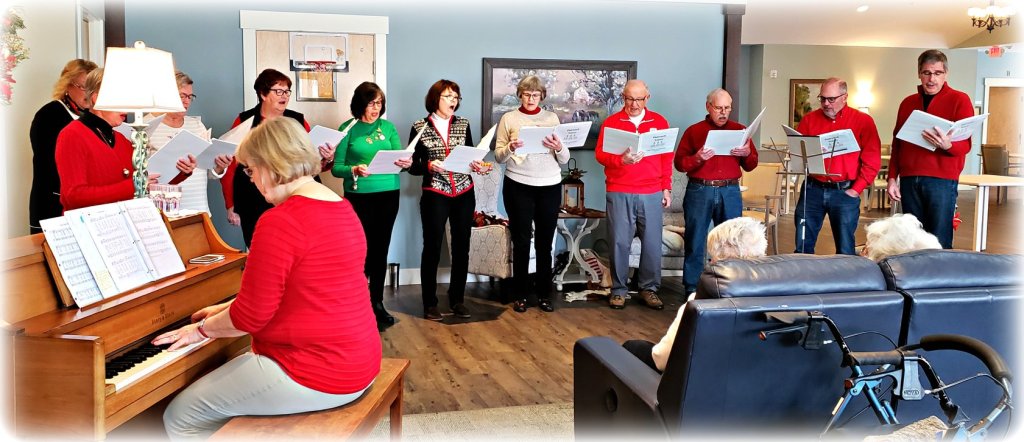
BeeHive is blessed with visits from many musical groups and choirs
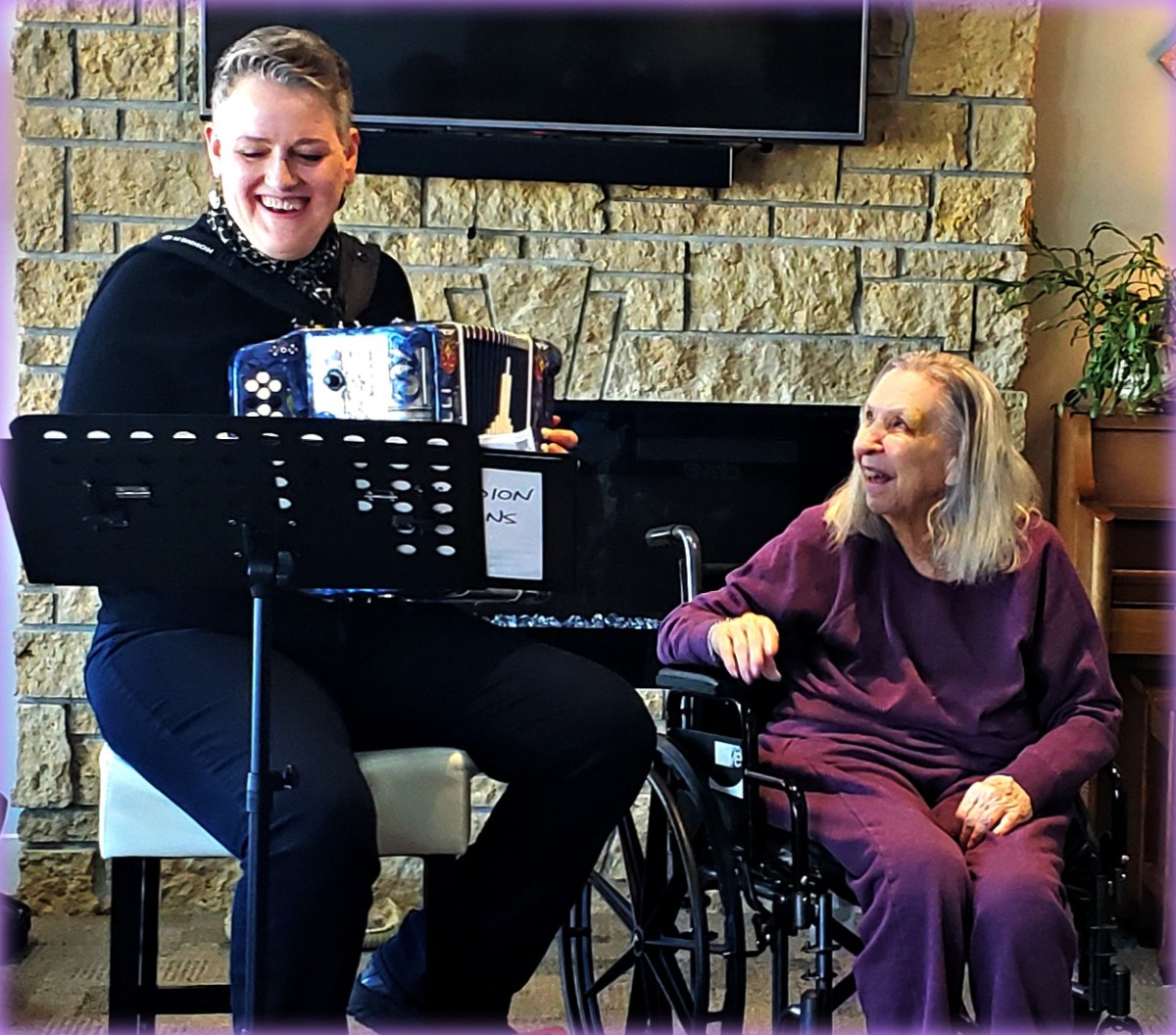
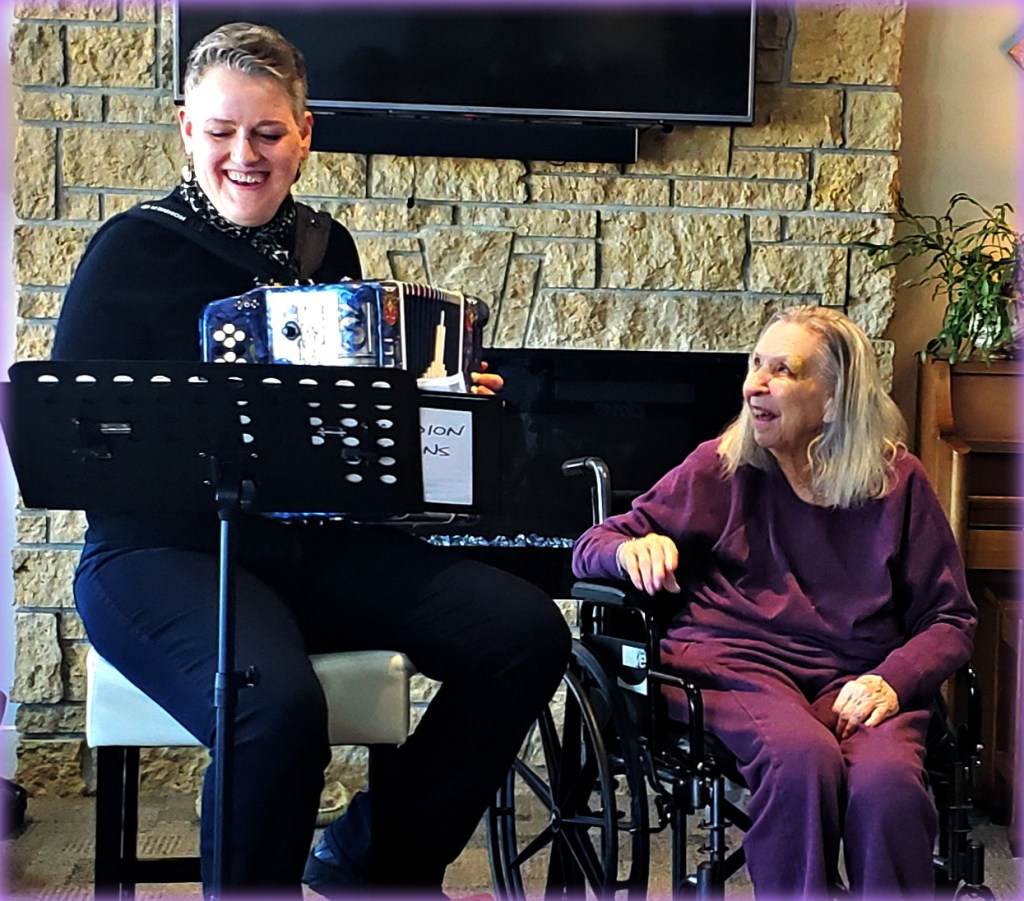
Momma obviously enjoyed the accordian – it was certainly easy for her to hear. Just look at the joy on her face!

Several dance troupes brought their lively performances to BeeHive. What a sweet treat!

I’m thankful for the churches who faithfully held services for the residents. This photo is of mom and her friend Roy listening to one of the pastors.

So many creative people and groups shared their time with the residents helping them make a variety of lovely crafts.

Momma gets a little crafting help and encouragement from a sweet volunteer.
The intergenerational activities were SO meaningful. The local school sent students over every week to read to the residents. I just love seeing this photo of momma and her armful of babies listening to this young boy read aloud.

Please, let me take just a moment to speak to those of you who are facing the decision of whether or not you should place your loved one in a care facility. Looking back on my caregiving experience, I am so very glad that I spent time with my momma helping her in any way that I could during the last few years of her life. When the time came for her to move out of my home, it was a very difficult decision. My body was telling me it was time. My emotions were telling me it was time. My husband was telling me it was time. Yet, I felt a little like I was giving up. However, I now realize that if I had insisted upon keeping my momma home with me until the very end, she would have missed out on so many wonderful opportunities and friendships.

Momma and Carol didn’t know one another’s names, but they were nonetheless sweet friends. I’m so glad they were able to be there for each other.

May God bless you who are caring for a loved one or friend with memory challenges. May you be blessed with creativity for your very long caregiving days, strength and patience for the long and sleepless nights, and wisdom and grace for each decision you make on your journey of love and care.

Legal Documents EVERYONE Should Have

Back in 2014, making sure that mom had all her legal paperwork ducks in a row was one of the smartest investments we made in both time and money in preparation for the Alzheimer’s road ahead of us. Thankfully, mom and dad had a good foundation, having already met with their lawyer to get their house in order for the future as soon as my dad began having health struggles.

They had written their wills and had also established two essential (in my opinion) legal instruments:

  1. Power of Attorney for finances and property
  2. Healthcare Power of Attorney (state specific form)

If you do not have both power of attorney documents and your loved one is determined to no longer have the capacity to make their own decisions, “Guardianship of the Estate and Person” may be necessary. You will likely have to petition the Court to appoint a guardian to make the decisions not covered by the missing POA document. Knowing in advance who will be entrusted with these responsibilities is important, so be sure you have both.

Make your Power of Attorney for Finances and Property effective now so your agent can quickly handle financial matters. Your agent will need to sign a “Duties and Liabilities” form, but the agent can start helping you immediately. My husband was my mom’s POA for finances and, because that “effective now” box was checked, he could help my mom with her banking, put all of her bills on autopay (so she didn’t have to deal with the mail), take care of matters related to her investment accounts, talk to her banker, pension fund administrator, and insurance companies. He did not have to wait until she was declared incompetent.

In addition to the above essential documents, we found the following to be beneficial as well:

  • Make sure “special powers” are included in your POA document. In my state of Wisconsin, the standard form available for download does not include provisions for gifting or grant powers to your agent to amend trusts or beneficiary forms. Your attorney can help you create a “Special Durable Power of Attorney” with trust provisions. These powers can be very helpful when a person is trying to protect assets from long term care costs.
  • Consider creating a “special needs trust” as a place to shelter or reserve enough cash to be able to take care of things not covered by Medicaid. In our state it is called WISPACT. My brother lives in a nursing home. I am his POA for healthcare and my husband serves as his POA for finances. My brother had been unemployed for several years and had no savings and no income (too young for Medicare), and would quickly spend down a modest retirement account he had from a previous employer. With the “special powers,” Wayne established a WISPACT fund for him to set aside some of my brother’s retirement money prior to Medicaid spend-down. This is NOT a way to cheat the nursing home. For us, having this fund means we don’t have to dip deep into our own pockets to pay for things my brother needs that are not covered by Medicaid. For example, if my brother needs new blue jeans or a dental appointment, we go ahead and take care of that need, then submit either an invoice (e.g. for the car repairs) or receipts (e.g. for blue jeans) with a “request for distribution” to WISPACT. The expense will then be reviewed by the trust manager to ensure that the expense meets public benefit rules, and the bill is taken care of or we are reimbursed. The trust is irrevocable, meaning that no funds will be returned; when my brother dies, any funds left in that account go to the state.
  • Prepay funeral expenses – Mom and dad had already chosen and paid for their cemetery plot and, thankfully, she had shown me where the deed was located earlier in her disease process. My husband and I took care of pre-paying mom’s remaining funeral expenses based upon both her written notes as to her desires and a conversation we had with her in an earlier stage of Alzheimer’s. We have done similarly for my brother. He’s only 61, so could live much longer. Pre-paying his final expenses locks in today’s pricing.
  • A Caregiver Agreement – While mom was still able to make her own decisions, she expressed concern knowing that I may someday have to quit my job to take care of her. When we sat down with mom’s attorney, who specialized in elder law, he advised that we draw up a caregiver agreement – a legal contract which defined the dollar amount and the number of hours she would pay me in caring for her. Truth is, it became a 24/7 job, but our agreement made in advance made it possible for me to be paid as her family caregiver. Momma never got to the point of Medicaid spend down. If she had, her finances would have undergone the “5-year look back”, and having this legal agreement would help protect me financially.
  • Advanced Directive – None of us knows when we will take our last breath. How thankful I am that mom and I had that difficult conversation about end of life. And I am doubly thankful that she took care of creating an Advanced Directive. This helped me as her POA for healthcare (and caregiving daughter) make vital end of life care decisions on my mom’s behalf when she was no longer able to make those decisions herself.

I gave this post the title “Documents EVERYONE Should Have,” but should probably mention a bit of a caveat. An individual with Alzheimer’s will hide things that are important…including paperwork. In fact, they may throw them away. When my mom was in the mid stages of the disease, I decided it was time that I took her important papers home with me for safe-keeping (including that cemetery deed I mentioned above). However, the paperwork was still extremely important to my mom. I decided to make good photo copies of her originals and create a special binder of all that information for her. She absolutely loved it. She would spend hours paging through it, double-checking things, and would write her questions and thoughts on the margins. Knowing I had the originals, it was all good.

How Did I Get Here?

A memory from two years ago …

barefootlilylady's avatarBarefoot Lily Lady

There are many times when I walk into my mom’s room and she has this befuddled look on her face. I watch as her eyes wander slowly around the room, studying each piece of furniture, the window, and the doorways. Her eyes will land on pictures of once familiar people and a blankness has slipped over her eyes like a mask – no light of recognition.

In these moments Mom will often ask,

“How did I get here?”

I no longer answer by explaining, “Well, about two years ago I moved you from your home in Milwaukee so that you could live with me and I could help take care of you.” I don’t tell her she has Alzheimer’s. Unless she specifically asks, we don’t dwell on the fact that she can no longer handle money, make decisions, cook, drive, or take care of herself.

That’s too much information.

The…

View original post 20 more words

Butterfly Kisses

The final week I spent with Momma is now a blur; the days and nights run together in my head. What I do clearly remember is an overwhelming feeling of gratefulness. Each day and night that I spent with her illuminated the many reasons I had to be so grateful; many of those “reasons” wore scrubs and a nametag. It did not matter if they were a nurse, a personal care or nursing assistant, or owner of BeeHive, it was obvious that each had a role in providing care, and they all loved my Momma.

Keeping vigil at my mom’s bedside during that final week, I had the privilege of watching each one of mom’s amazing caregivers at BeeHive, together with her hospice team, do their best to make this last part of my sweet mom’s earthly journey as comfortable and pain-free as possible. Every few hours they would check to see if she needed to be changed and reposition her to prevent bed sores and to ease her struggle with terminal respiratory secretions. Medications were administered to keep pain under control and help dry up some of those bothersome respiratory secretions. If there was any sign of pain or discomfort, they were on it, adjusting her medications or finding that “sweet spot” in positioning her. Since Momma couldn’t swallow to drink anymore, they used swabs to soothe her parched lips and keep her mouth hydrated and clean.

Even though BeeHive is a busy place, as the caregivers worked with her, they never seemed to be in a rush. Gentleness was in their touch whenever they moved her. Each person involved in mom’s care spoke to her just as if she could hear and respond. As each one left the room after performing daily cares, they left behind a kind word of care and endearment.

It could have been my imagination, but as her body weakened and she slipped into a non-responsive state, I sometimes felt as though she was peeking through almost closed eyes, searching to see if I was there. Otherwise, in all of this, momma gave no real indication that she was aware of anyone being in the room with her. I honestly didn’t know if she could hear me, but I talked to her anyway. Even though Momma was quite hard of hearing, I oftentimes placed my phone on her pillow next to her ear and played her favorite hymns while I sang along with tears playing in the corners of my eyes. When I sensed that she was agitated, I stroked her forehead to soothe and quiet her, tracing her forehead and nose with soft touches, much as she did for me when I was a child. When I could do nothing else, I just held her hand.

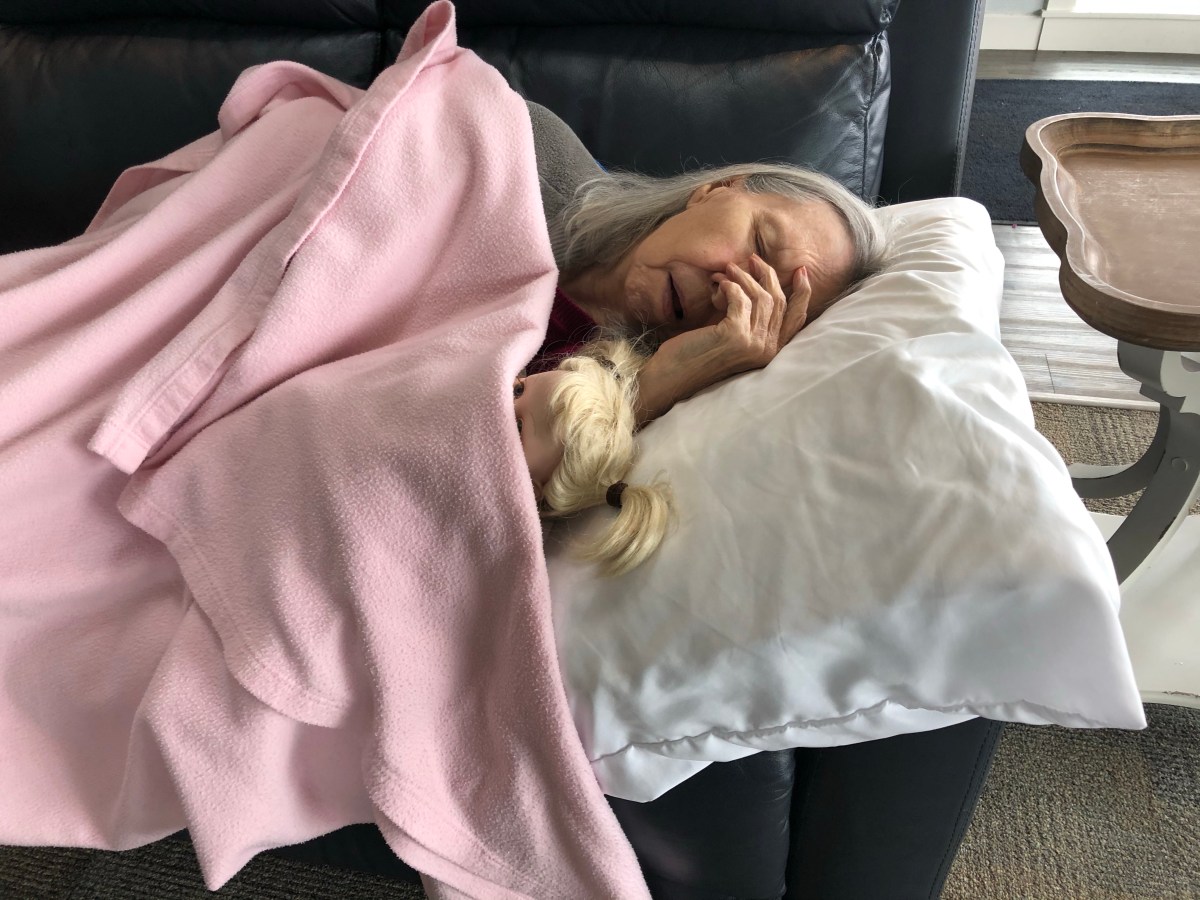
On Saturday night, I noticed Momma making kissing sounds. Her eyes were closed, but her head was raised off her pillow and she was definitely kissing the air. Her kisses were insistent, so I thought perhaps she wanted to give her Dolly a kiss. Momma loved that Dolly, taking care of her (and a host of other dolls) as if they were her children. I put Dolly’s cheek to Momma’s lips and Momma gave her little butterfly kisses. I thought that was so sweet, so tucked Dolly back in with Momma.

But Momma kept making kisses. So I put my cheek to Momma’s lips to receive her kisses. Momma kissed my cheek a few times and I kissed hers. Momma stopped kissing and relaxed her head on the pillow.

It was then that I knew those butterfly kisses were for me. My sweet Momma knew I was there and she was trying to give me a goodbye kiss. Perhaps Momma knew that heaven was drawing near and that she would be with Jesus in the morning.

Alzheimer’s: Signs Along the Way

My dear readers, I think it’s about time to meet up for another cup of coffee and a chat. I thought we could talk about a question I am often asked.

What signs did you see that made you suspect that your mom was experiencing memory loss?

One place to start when gathering information about Alzheimer’s is the aptly named Alzheimer’s Association. You can click here for their Top 10 list of signs, but here’s my list of signs we noticed along the way:

  • Repeating stories multiple times at the dinner table.
  • Piles of stuff all over the house – very unusual since she was normally very tidy. The guest room bed was covered with several inches of mail and miscellaneous paperwork.
  • Finding everyday objects in odd places: her cane propped up against the fridge on her countertop; her purse in the fridge; keys under her pillow; toothpaste and toothbrush on top of her dresser; odd stuff in her purse…like banana peels wrapped like mummies.

Mummy-wrapped banana peel from Momma’s purse

  • Asking the same question over and over again.
  • A very messy calendar with lots of ‘White Out’ covering myriad mistakes (and her complaining that someone else was writing on her calendar).
  • Mom had always been a list-maker and would usually keep her lists in an organized notebook. Now, her lists were everywhere! You could find her notes to self on the backs of envelopes and snatches of paper; in multiple notesbooks or legal pads; in the margins of her calendar, etc.
  • Missed hair appointments. Her weekly hair appointment had been her habit for decades – it wasn’t like her to miss one.
  • Everyone loses their keys from time to time – believe me, I know! But the key hunt became a daily routine (sometimes several times a day) because she would hide them where they’d be safe.

Our solution to the hidden keys problem was to attach a “tile” which would allow us to use an app on our phones to find them. (Click here for info)

  • Ordering multiple sets of checkbooks; we counted five separate sets of checks for one account.
  • Hiding her checkbooks.
  • Unbalanced checkbooks and a dining room table littered with bank statements with notes of confusion written on each one.
  • Over-purchasing other items too: toilet paper, ballpoint pens, Kleenex boxes, dishwasher soap, spiral bound notebooks, and legal pads.
  • Repeating stories. Oh, I think I already said that.
  • Phone calls from neighbors reporting unusual behavior, including a concern over momma being outside ALL day in pretty much the same spot. And another with concerns about her driving.
  • A diminished desire to attend church or get together with her friends.
  • Hidden stashes of food – especially cookies and chips. We would also find partially eaten food here and there around the house. It made me nervous to think she might pick up spoiled food and begin eating it again.
  • Multiple cans of Coke begun, but not finished.
Momma can’t remember she already has a can of soda open.
  • Unflushed toilets. Mom had always been VERY particular about remembering to flush toilets.
  • Inordinate amounts of junk mail.
  • She somehow got suckered into two vehicle protection plans and two sewer and waterline protection plans. Unfortunately, she never used them because she didn’t realize she had them.
  • She kept renewing her magazines, even if she had YEARS left on the subscriptions.  
  • Losing large sums of cash. She once took $1,500 out of the bank for a vacation I was taking her on, but lost the money somewhere between the bank and home. We never did find that money, and her credit cards were in the same wallet.
  • Hiding valuables and claiming they were stolen.
  • Growing frustration with using a telephone or a once-familiar remote control.
  • When dining in a restaurant, she was no longer able to calculate a tip. Mom had always been an adventurous eater who was always game for trying a new restaurant. Whenever I would visit, she began going to the same restaurant and ordering the same thing each time. Or, without opening the menu, she would say, “I’ll have what she is having.”
  • Eating an entire carton of ice-cream in one sitting (we started buying it in pints and half-pints).

Most of these changes were subtle, but they began to add up. Somewhere in the middle of all of these changes, I knew in my heart it was time for me to make sure I invited myself to my mother’s next doctor’s appointment. I knew that he and I were going to have to become allies in my mom’s future care, so I stopped by her physician’s office and dropped off a copy of my power of attorney for healthcare paperwork so that they could be scanned into her record. I also wrote a letter to her primary care physician outlining my concerns. Now we could begin the process of me being in the loop related to care discussions and decisions. It was a hard step, but a necessary one.

Well, it looks like my cup of coffee is on empty and I did all the talking. Sorry about that. If I may ask, if someone you love has Alzheimer’s, what were some of the signs YOU noticed in your loved one?

Five Helpful Purchases for the Alzheimer’s Caregiver

I’m on the other side of caregiving now and am looking back on that experience and wanting to share a few of the most helpful purchases my husband and I made to assist us as we provided care for my mother.

  1. Mattress Protection and plenty of bedding – nearly every person who struggles with memory loss will come to the point where incontinence is a fact of life. One of the best purchases I made was this mattress cover. We had a hospital bed, so purchased a Twin XL. This particular cover actually was waterproof and saved our mattress from certain ruin over and over again. It completely covered the mattress — trust me, this is important. I only needed to wipe it down with a disinfectant spray, but it also washed up nicely in the washing machine on warm. I would give it a tumble drying on air-dry with several dry towels romping around in the dryer with it. We had purchased a second-hand hospital bed and it fit that mattress very well. One of the nicest things about this cover was that it was quiet–no plastic crinkling sounds when moving the bed position, or just tossing and turning a bit at night.
The very best mattress cover we tried. It’s worth your money to purchase two so that you have an extra for those nights when the accident is …ummm…really messy.

2. An Alzheimer’s friendly clock. There are many clocks available for purchase, but I can only begin to tell you how helpful this clock was – especially in the early and middle stages of dementia. We bought two. One for mom’s bedroom and one to keep in the kitchen near her spot at the table. There comes a time in the Alzheimer’s journey where the ability to measure time is lost. You can read my post highlighting the benefits of this clock in my previous post, “When Time Stands Still,” which you can find here. To be honest, now that we’re retired and not marking time with daily routines, hubby and I reference this clock ourselves when we’re having a “what day is it anyway?” moment of our own.

3. These waterproof pads. Yes, disposable ones are nice, especially when your loved one is sick and having bouts of diarrhea. However, these are wonderful for everyday use. I recommend you purchase the largest size so as to cover as much of the bed as possible. More often than not, whatever accident happens will be caught on this pad, which will save you changing all of the sheets and blankets in the wee hours of the morning. These pads will also come in quite handy if your loved one likes to sit in a recliner or other upholstered chair.

Don’t worry…they come in colors other than pink

4. A wireless security camera. I know there are a lot of camera options out there these days. This D-Link camera did a great job of helping us see mom when she would get up at night – its night vision and ability to pan and tilt remotely was so helpful. This camera helped me in the earlier stages when she was living on her own and I just wanted to check-in and make sure she was okay. In later stages when she needed to live with us, it picked up on her motions at night alerting me to any needs she might have for my help or intervention.

D-Link Indoor Full HD WiFi Security Camera, 2 Way Audio, Pan Tilt Zoom 1080P, Motion Detection, Night Vision, MicroSD & Cloud Recording, Works with Alexa and Google Assistant (DCS-8525LH-US)

5. And just for fun, we bought this colored pencil set and plenty of adult coloring books. My mom just loved them when she was in the middle stages and earlier part of late-stage dementia. Not only did she enjoy coloring, but she also enjoyed sorting the pencils into color groupings. The zippered case was nice too…it was amazing what all she could squirrel away in there along with her pencils.

Interesting thing to note: as the disease progressed, Momma gravitated toward using only green and yellow in her coloring. This meant that over time we bought various colored pencils sets to replace the greens and yellows and now have LOTS of colored pencils in every color but green or yellow.

Hearing the Voice

There were many defining moments back in 2015 which God used to help me understand that my sweet Momma needed more of my help. I’m resharing this particular post because “auditory hallucinations” were one of the signposts in my mom’s Alzeheimer’s disease progression. I would also like to mention that God’s timing in answering prayers may sometimes seem slow, but His timing is always perfect. He answered my mother’s prayer on May 24, 2020.

barefootlilylady's avatarBarefoot Lily Lady

Facebook Journal Entry – October 13, 2015

About 30 seconds after wheeling her cart into her local Pick n’ Save grocery store, Momma abruptly stopped in front of the produce section and informed me she needed to take her hearing aids out. The clatter of carts, the din of voices, and incessant cash register beeping were just too much. She pulled each device out and carefully placed them in a little pouch we keep in her purse. With a look of great satisfaction on her face, she smiled broadly, and said, “Ahhhh! Peace and quiet.”
But, Momma’s quiet world isn’t always quiet. Occasionally, she’ll be sitting in her favorite chair and then suddenly wave her hand in agitation, as if shooing someone away. “Oh, be quiet! Go away!” she’ll scold. I’ll ask Momma who she is talking to and she’ll reply, “Don’t you hear him? He keeps singing that same…

View original post 617 more words

Páraig - Grow Write Repeat

Man is made of dreams and bones. (The Garden Song)

FabFourBlog

Notes on Seeing, Reading & Writing, Living & Loving in The North

Patti Bee

All things come. All things go.

Caring for Dementia

Behaviour Support Specialist • Emotion-focused Care Strategies

Low Carb Revelation LLC

Low Carb Diet & Lifestyle

Debbie Prather

CONNECTING HEARTS THROUGH WORDS

Lindy Thompson

thoughts on the spiritual journey

Wild Daffodil

the joy of creativity

Stacy J. Edwards

The Lord God has given me the tongue of those who are taught, that I may know how to sustain with a word him who is weary. - Isaiah 50:4

A Plantsman's World

A retrospective of the photographs from my last garden plus a few meanderings based on my own experience and a love of all things Asiatic.

Fake Flamenco

Connecting the Americas, Bridging Cultures Supergringa in Spain: A Travel Memoir